초저지연 5G 스마트팩토리 구현의 열쇠, MEC 기술
기사입력 2019.07.01 17:58
클라우드 컴퓨팅이 데이터센터로 집중되는 대용량 데이터를 처리하는데 한계를 드러내고 있다. 그 대안으로 제시되는 에지 컴퓨팅은 물리적으로 무선 기지국에 가까운 위치에서 소비자 맞춤형 서비스 제공하는 분산 클라우드 기술이다
5G 네트워크 서비스의 상용화를 기점으로 다양한 산업분야에서 ICT 융합이 일어나고 있다. 스마트시티, 스마트팩토리, 자율주행차량, AI, VR/AR 등의 분야에서 다수의 디바이스가 무선 통신망에 연결되어 대용량 데이터를 생산하고, 또 소비하고 있다. 이 추세는 심화될 전망이다.
우리 정부는 지난 6월 19일, 세계 4대 제조강국 도약을 위한 제조업 르네상스 비전 및 전략을 발표하며 산업과 ICT 융합 추세를 더욱 가속화하겠다고 밝힌 바 있다.
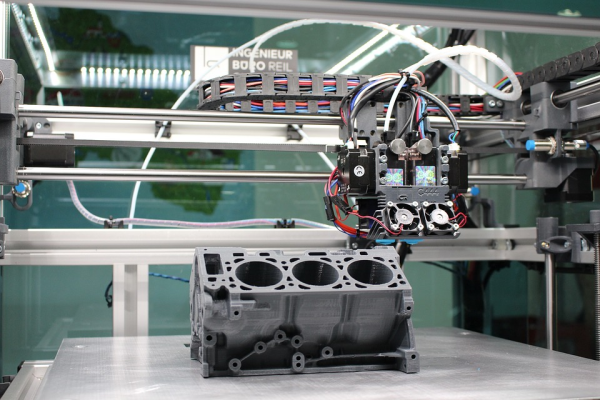
▲초저지연 5G 스마트팩토리 구현의 열쇠, MEC 기술
이처럼 대용량 데이터의 신속한 처리는 점점 더 중요해지고 있지만, 클라우드 컴퓨팅만으로는 데이터센터로 집중되는 대용량 데이터를 처리하는데 한계가 있다. 그리하여 데이터가 생성되는 곳에서 데이터를 처리하려는 움직임이 일기 시작했다.
MEC 기술은 물리적으로 무선 기지국에 가까운 위치에서 빠르고 안정적인 통신 환경에 기반을 둔 소비자 맞춤형 서비스 제공을 위한 분산 클라우드 기술이다.
통신사업자의 모바일 코어망 혼잡을 최소화하여 망 증설 비용을 절감하는 MEC는 서비스 품질의 개선을 가져올 수 있다. 또한, 서비스 제공자에게는 새로운 로컬 서비스를 창출하여 비즈니스 영역을 넓힐 수 있는 기회를 제공한다.
클라우드 컴퓨팅과 달리 에지 컴퓨팅은 사용자의 단말(edge)과 가까운 곳에서 컴퓨팅을 수행한다. 클라우드와 연결할 대용량 회선이 필요 없고, 즉시 데이터를 처리하기에 응답 속도가 빠르다는 장점을 갖고 있다. 크기의 한계 때문에 컴퓨팅 성능이 제한된다는 단점이 있긴 하다.
5G와 MEC, 그리고 스마트팩토리
유럽전기통신표준협회(European Telecommunications Standards Institute; ETSI)의 주도로 표준 작업이 진행되고 있는 MEC는 초기에는 ‘Mobile Edge Computing’의 약자로 쓰였으나, 최근에는 다양한 유무선망을 통합하는 개념이 추가되어 ‘Multi-access Edge Computing’의 약자로 쓰인다.
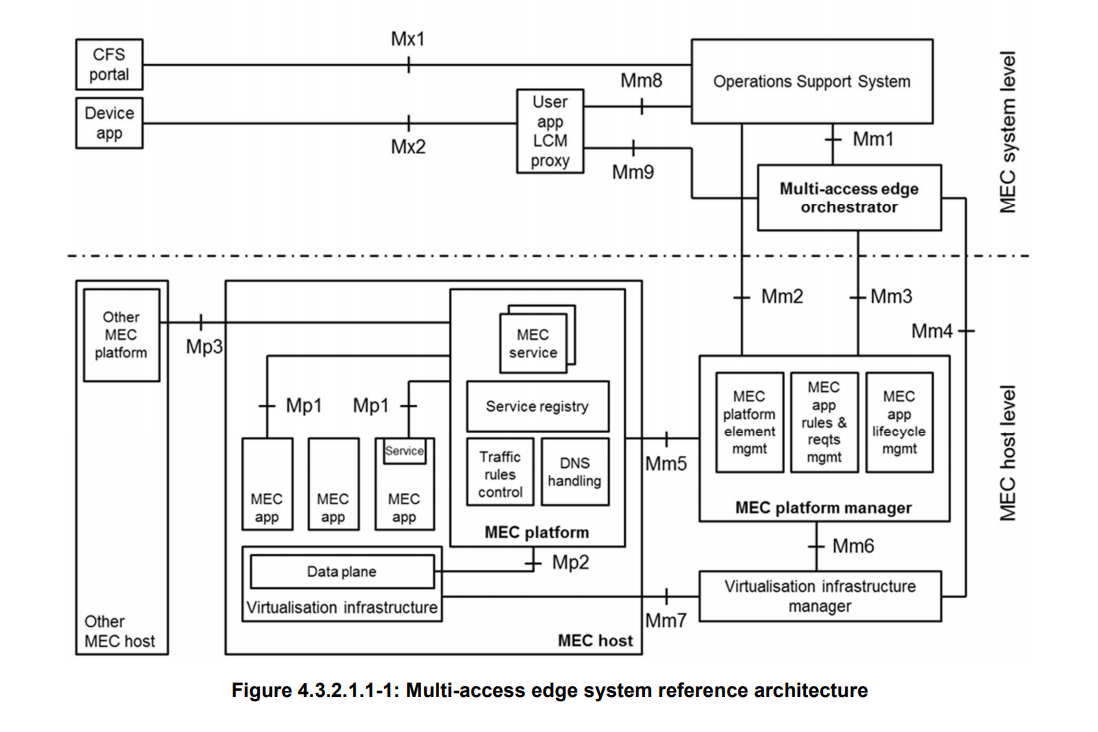
▲MEC 시스템 레퍼런스 구조
<출처: ETSI GR MEC-DEC 025 V2.1.1 (2019-06)>
<출처: ETSI GR MEC-DEC 025 V2.1.1 (2019-06)>
MEC는 5G의 핵심 아이템 중 하나다.
5G는 모바일 브로드밴드 서비스뿐만 아니라 IoT 수용을 위해 대규모 사물 통신(Massive Machine Type Communication; mMTC) 및 초고신뢰 저지연 통신(Ultra Reliable & Low Latency Communication; URLLC) 서비스 환경을 구축해야 한다. 이 3가지 서비스 환경은 이질적이면서도 상호보완적이다.
MEC는 5G에서 요구하는 초저지연을 실현할 주요 구조 기술로 주목받고 있다. 동시에 5G 주요 특성인 네트워크 소프트웨어화의 핵심 기술인 네트워크 기능 가상화(Network Function Virtualization; NFV) 기술과는 상호보완적인 역할을 할 것으로 기대된다.
스마트팩토리는 신속성을 요구하는 데이터와 고정밀 분석이 필요한 데이터를 분리하여 클라우드와 에지 컴퓨팅을 조합한 효율적인 운영을 추구한다. 신속성을 요구하는 공장설비 제어 및 온습도 조절 등은 에지에서 처리하고, 고도의 정밀한 분석이 필요한 사고 위험 예측, 기기 수명관리 등은 중앙 데이터센터가 담당하는 것이다.
GE의 프레딕스 플랫폼(Predix Platform), 지멘스의 마인드스피어(Mindsphere), MS의 애저(Azure) IoT 에지 등의 산업용 플랫폼의 발전은 이를 뒷받침하고 있다.
MEC, 새로운 비즈니스 영역 창출
MEC 기반의 스마트팩토리는 기존의 유선 기반 시스템을 기반으로 하는 공장과 다르다.
기존에는 로봇을 설치할 공간도, 또 설치한 로봇이 움직일 공간 확보에도 제약이 따랐다. 설비마다 전용 PC가 필요하기에 저지연 고신뢰 서비스 처리는 불가능했다.
그러나 MEC 기반의 스마트팩토리는 위의 단점을 극복한다. 네트워크 지연 시간은 낮추고, 응용 처리속도는 높이며, 데이터 부하는 낮춘다. 모니터링 및 관리 편의성과 보안은 향상되고 구축비용은 낮아진다.
현재 수많은 통신사와 IT 기업들이 MEC 기술을 선점하려 노력하고 있다. 통신사는 5G 비즈니스를 확장하기 위해서, IT 기업들은 포화상태에 이른 기존 클라우드 서비스를 대신할 새로운 비즈니스 모델을 개척하기 위해서다.
지난 6월 25일 있었던 KRnet 2019에서 위와 같은 내용으로 MEC 기반의 스마트팩토리란 주제의 세미나를 진행한 ETRI의 전인걸 박사는 "MEC는 현재 ESTI를 통한 기술 표준화가 진행 중인 5G 핵심 요소 기술"이라며, "MEC를 산업 현장에 실질적으로 적용하기 위해서는 추가적인 연구 개발과 실증이 필요"하다고 말했다.
그 밖에도 전 박사는 MEC는 스마트팩토리 뿐만 아니라 스마트시티, 자율주행차량, AI, VR/AR을 너머 더욱 다양한 분야에서 활용될 여지가 많다면서, 국내 연구자들에게 새로운 비즈니스 모델 창출을 위한 도전정신 발휘를 촉구했다.
이수민 기자
관련뉴스
-
SKT의 MEC 기술, 혁신적 에지 컴퓨팅 전략으로 선정
리딩 라이트 어워드는 미국의 통신 분야 전문 매체 라이트 리딩이 매년 통신 분야별 최고의 통신사업자 및 서비스에게 수여하는 상이다. 올해로 15회째를 맞이한 리딩 라이트 어워드는 현지시각으로 6일, 미국 덴버에서 개최됐으며, 5G를 비롯한 통신, AI, 클라우드 등 총 22개 부문의 수상자를 선정했다. 라이트 리딩 어워드는 5G 통신 지연 시간을 획기적으로 줄인 SK텔레콤의 기술력과 플랫폼 개방을 통한 생태계 확장 노력을 높이 평가했다.
2019-05-08 오전 10:25:21by 이수민 기자
-
[인터뷰] 에지 컴퓨팅이 바꿀 5G 시대 IIoT 환경
지난 2017년, 가트너는 2018년 10대 전략 기술 트렌드 중 하나로 ‘클라우드에서 에지로(Cloud to the Edge)’를 선정한 바 있다. 지난 2018년, 정보통신기술진흥센터에서도 2019년 ICT 10대 이슈 중 하나로 ‘IoT의 보급 확산으로 인한 에지 컴퓨팅(Edge Computing)과 AI 반도체의 성장’을 들었다. 도대체 에지 컴퓨팅이 무엇이기에 이슈인 것일까? 스마트 기기가 날로 늘어가는 상황이다. 지금까지는 기기에서 발생하는 모든 데이터를 클라우드로 보내 처리했다. 그러나 이 과정이 비효율적이라 판단하고 데이터가 생성된 위치, 혹은 가까운 곳에서 처리하려는 움직임이 곳곳에서 나타나고 있다. 이처럼 네트워크 에지에서 컴퓨팅을 하여 중요 데이터를 실시간에게 가깝게 처리하려는 시도를 에지 컴퓨팅이라 한다.
2019-05-08 오후 5:30:25by 이수민 기자
-
슈나이더 일렉트릭, UPS '갤럭시 VS' 출시… 에지 컴퓨팅 및 소규모 데이터 센터에 최적
슈나이더 일렉트릭이 모듈형 3상 무정전 전원 공급장치(UPS)인 갤럭시 VS를 출시했다. 갤럭시 VS는 IT 시설을 포함한 상업 및 산업 시설의 중요 전력 요구 사항을 충족할 수 있도록 설계된 UPS다. 콤팩트하고 유연한 설계를 갖춘 갤럭시 VS는 공간과 접근이 중요한 에지 컴퓨팅과 소규모 데이터센터의 요구 사항을 충족한다. 20~100kW(400·480V)와 10~50kW(208V)의 넓은 전력 범위를 제공하며 최대 99%의 효율성을 갖췄으며, 리튬 이온 배터리를 통해 배터리 수명을 두 배로 늘렸다.
2019-06-29 오전 9:01:09by 이수민 기자



.jpg)
많이 본 뉴스

[열린보도원칙] 당 매체는 독자와 취재원 등 뉴스이용자의 권리 보장을 위해 반론이나 정정보도, 추후보도를 요청할 수 있는 창구를 열어두고 있음을 알려드립니다.
고충처리인 장은성 070-4699-5321 , news@e4ds.com