IoT 디바이스 상호연결성 보장하는 Wi-SUN, 도시를 어떻게 바꾸는가
기사입력 2019.09.03 16:45
| 인터넷 기반 제어 및 모니터링 수요 늘어
| Wi-SUN, IEEE 802.15.4g 표준화 PHY 기술
| Wi-SUN 지원 엔드포인트, 전 세계 9천만 개
에너지 절약, 자동 계량 제어 및 모니터링 요구 사항은 전 세계의 진보적인 도시 및 지역 사회의 최우선 과제다. 이에 따라 인터넷 기반의 제어 및 모니터링 전략이 추진되고 있다.

▲도시는 이제 인터넷 기반의 제어와 모니터링을 필요로 한다
(이미지 출처=Wi-SUN 얼라이언스)
(이미지 출처=Wi-SUN 얼라이언스)
IEEE 802.15.4는 약 10미터 이내의 영역에서 수십 kbps 정도의 데이터 전송, 저전력 특성을 갖는 기기들을 네트워크로 구성하는 저속 무선 개인 통신망(Low Rate Wireless Personal Area Networks; LR-WPANs) 기술 표준이다.
전원공급이 어렵거나 배터리의 교체가 힘든 환경에서는 통신 커버리지가 넓고 저전력 특성을 갖는 LR-WPANs와 같은 무선통신기술이 요구된다.
Wi-SUN은 IEEE 802.15.4g로 표준화된 물리계층(PHY) 기술로, IoT 신산업 창출 및 서비스 활성화를 위해 900MHz 대역의 출력이 기존 10mW에서 최대 200mW까지 상향 조절되어 다양한 분야에서 활용이 예상된다.
현재 Wi-SUN은 미국과 일본의 스마트미터링과 배선 자동화에서 많이 사용되고 있으며, 많은 국가와 기업에서 스마트그리드, 인프라 관리, 교통 관리 시스템, 스마트조명의 대안으로 보고 본격적으로 도입 검토를 하고 있다.
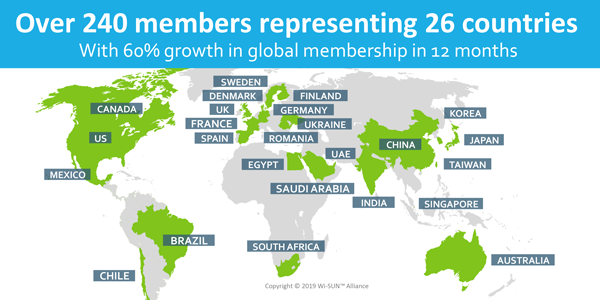
▲Wi-SUN 얼라이언스 멤버사 위치
(이미지 출처=Wi-SUN 얼라이언스)
(이미지 출처=Wi-SUN 얼라이언스)
네비건트(Navigant) 리서치에 의하면, Wi-SUN을 지원하는 엔드포인트가 전 세계적으로 9천만 개 이상 구축되어 있다.
한국에서도 한국전력(KEPCO)이 2,300만 가구를 대상으로 지능형전력계량인프라(Advanced Metering Infrastructure; AMI) 구축사업에 Wi-SUN 기술을 활용하고 있는데, 전력선이 지중으로 매설되어 정상적인 전력선 통신이 어려운 구간이나 농어촌 지역에 주로 시공 및 운영되고 있다.
또 ETRI 산하 UGS 융합연구단에서 도시 지하매설물 상태와 지하공간상황을 실시간으로 모니터링 하여 이상 징후를 사전에 감지·예측·대응하는 IoT 기반 무선통신 칩 개발에 Wi-SUN 기술을 적용했다.
이처럼 한국에서도 점차 Wi-SUN 기술을 활용하는 움직임이 늘어나면서 Wi-SUN 얼라이언스(Alliance)에서도 한국 시장에 본격적인 관심을 드러냈다.
Wi-SUN 얼라이언스는 IEEE 802.15.4g 표준에 의거, 상호구동 가능한 스마트 유틸리티 네트워크 채택을 가속화하기 위해 2011년에 설립됐다.
Wi-SUN 오픈하우스, 한국 시장 품는가
지난 8월 29일, Wi-SUN 오픈하우스 행사가 서울 코엑스에서 시그마델타테크놀로지, Arm, ST마이크로일렉트로닉스에 의해 공동으로 개최됐다. 행사에는 시스코, 아이트론(Itron), 란디스지르(Landis+Gyr), 일본정보통신기구(NICT) 등 주요 Wi-SUN 얼라이언스 회원사가 참여해 그간의 성과 및 현황, 솔루션을 소개했다.
행사에 참여한 Wi-SUN 얼라이언스의 필 비처(Phil Beecher) 협회장 겸 CEO는 행사 첫 강연에서 Wi-SUN의 용도와 Wi-SUN 얼라이언스의 목적, 그리고 Wi-SUN 얼라이언스가 어떻게 Wi-SUN 에코시스템을 확장하고 있는지 설명했다.
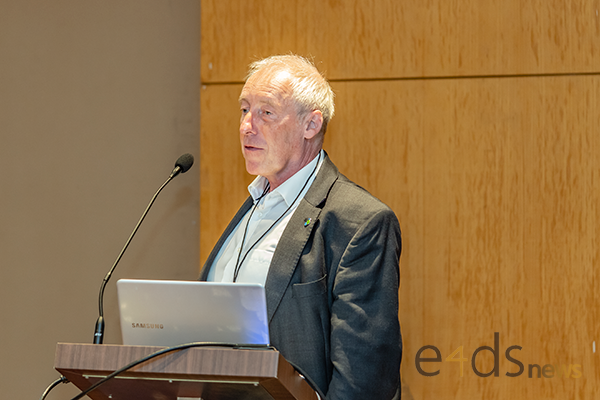
▲Wi-SUN 얼라이언스 필 비처 협회장
(사진=이수민 기자)
(사진=이수민 기자)
Wi-SUN의 시작은 IEEE 802.15.2003부터다. IEEE802.15.4 TG(Task Group)는 2000년 12월에 결성되어 지그비(Zigbee) 기술을 위한 물리계층과 MAC 계층을 정의하여 IEEE 802.15.4-2003을 첫 번째 표준화 문서로 발표했다.
IEEE 802.15.4-2011에서는 MAC 성능 향상 및 다양한 PHY 규격이 추가되었고, IEEE 802.15.4-2015에서는 저전력, 빠른 접속, 향상된 레인징 기법을 지원하고 AMCA(Asynchronous Multi-Channel Adaptation), LLDN(Low Latency Deterministic Network), TSCH(Time Slotted channel Hopping), DSME(Deterministic and Synchronous Multi-channel Extension)와 같은 강화된 MAC 표준기술(IEEE802.15.4e)이 추가되었다.
또 특별한 응용 서비스들의 지원을 위해 다양한 물리계층 규격을 제공한다. 대표적으로 전기, 가스, 수도 등 유틸리티에 대해 특화된 기능을 갖도록 설계된 SUN(Smart Utility Network), 철도 통신 및 제어기능에 적합한 RCC(Rail Communications and Control), TV 용도로 할당된 주파수에 대해 시공간적으로 비어 있는 영역을 사용할 수 있는 TVWS(Television white space) 등을 비롯하여 RFID, 저전력으로 재난재해감지 등에 할용 가능 한 LECIM(Low- Energy, Critical Infrastructure Monitoring), 신체 주변에서 의학 용도로 사용 할 수 있는 MBAN(Medical Body Area Network) 등이 있다.
IEEE 802.15.4g는 2012년, 물리계층 표준화를 위해 MR-FSK, MR-OFDM, MR-OQPSK 라는 이름으로 진행되었다. MR은 다양한 부호화율을 지원한다는 점에서 ‘Multi Rate’, 혹은 여러 지역에서 사용될 수 있다는 의미에서 ‘Multi Region’으로 표시되었으나 이후 2015년에 통합된 IEEE 802.15.4-2015 표준에서는 SUN-FSK, SUN-OFDM, SUN-OQPSK라는 이름으로 확정되었다.
무선통신은 현장(Field)에서 많이 일어난다
Wi-SUN 얼라이언스는 지속적으로 FAN(Field Area Networks)을 지원하고 있다. Wi-SUN FAN을 채택하게 되면 IEEE 802.15.4g 글로벌 표준이 다루는 모든 영역에 걸쳐 AMI, 배전 자동화 및 스마트시티에서 무선 커넥티비티가 가능해진다.
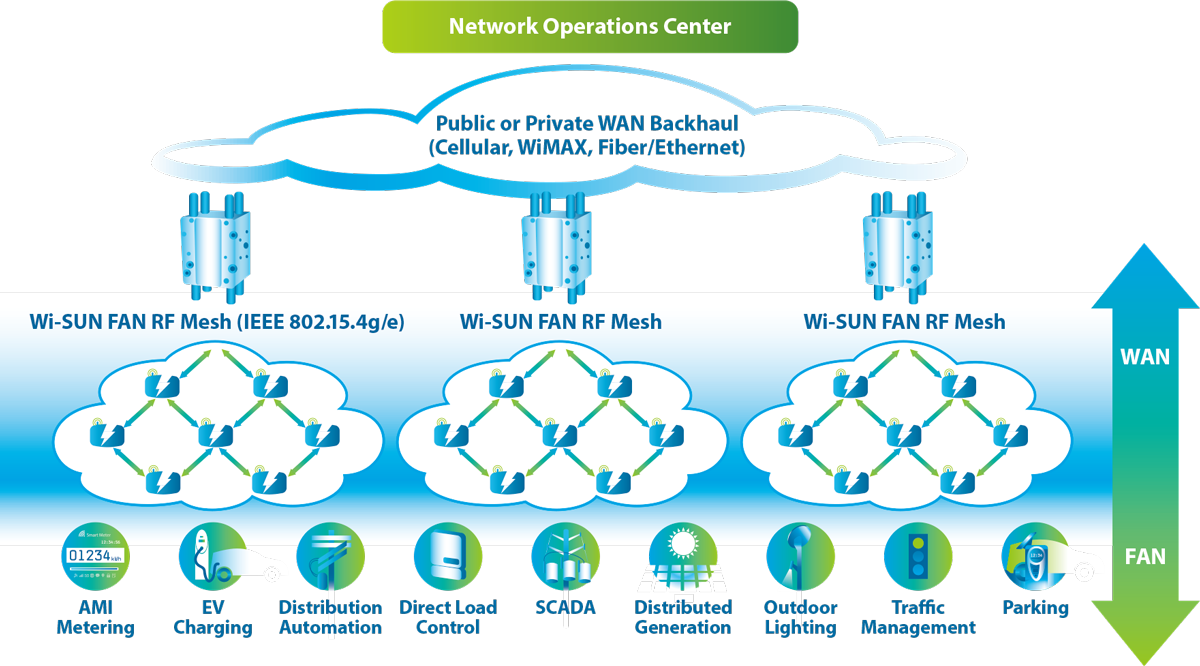
▲Wi-SUN FAN 구조
(이미지 출처=Wi-SUN 얼라이언스)
(이미지 출처=Wi-SUN 얼라이언스)
이에 따라 공공 기반 시설과 관련된 기업, 서비스 업체 및 지방 단체들은 Wi-SUN에서 정한 각종 사양들을 이용해 IEEE 802.15.4g 기반의 무선 메쉬 네트워크를 통한 상호 운용, 멀티서비스 및 보안 IPv6 커뮤니케이션을 보다 원활하게 이용하게 된다.
FAN 인증 프로그램은 Wi-SUN 얼라이언스에서 대규모 스마트시티, 스마트유틸리티 및 기타 IoT 배포를 단순화하기 위해 유틸리티, 스마트시티 개발자 및 기타 서비스 제공 업체가 사용할 장치를 인증하기 위해 개발됐다.
Wi-SUN 얼라이언스는 FAN 인증을 통해 공개 표준에서 파생된 통신 프로필을 준수하고, 다른 Wi-SUN 인증 제품과 상호 운용 할 수 있는 능력을 지닌 제품을 인증한다.
현재 Wi-SUN 얼라이언스는 전 세계 26개국에서 240개가 넘는 멤버사(社)와 함께 하고 있다.
필 비처 협회장은 “표준 확립과 상호운용성은 IoT 업계가 지속해서 성장하기 위한 핵심”이라며, “Wi-SUN 인증 FAN 솔루션의 공급을 통해 우리는 유틸리티 기업, 도시와 서비스 제공사들에 현재와 미래 세대를 위한 상호운용성이 보증된 적응형 멀티서비스를 제공한다”고 밝혔다.
수천수만의 디바이스가 하나의 플랫폼으로 연결되는 시대에 상호운영성을 보장할 수 없는 솔루션은 도태될 것이다. 디바이스 간의 유기적인 연결이 보장되지 않는다면 플랫폼은 제대로 작동할 수 없다. 따라서 인터넷과 연결되는 디바이스를 개발하는 기업과 엔지니어라면 Wi-SUN에 대해 고민해볼 시점이다.
이수민 기자
관련뉴스
-

대구·부산광역시, 아시아태평양지역 스마트시티 어워드 최우수 프로젝트 선정
IDC가 2019 스마트 시티 아시아 태평양 어워드에서 12개의 기능별 스마트시티 수상 부문에서 총 17개의 우수 스마트 프로젝트를 선정했다. 국내에서는 대구광역시의 ‘지하매설물 관리 시스템’과 부산광역시의 ‘부산 에코델타 스마트시티-스마트워터 프로젝트’가 각각 행정, 스마트 워터 부문 최우수 프로젝트로 선정되었다. 올해 아태지역 수상자들은 다른 지역의 스마트시티 수상자들과 경쟁하여 총 12개 수상 부문에서 전 세계 최고의 스마트시티 프로젝트로 선정될 수 있는 기회를 얻는다.
2019-07-10 오후 4:01:12by 이수민 기자
-
.png)
IoT 궁극목표 '스마트시티' 어디까지 실현됐나?
UN에 의하면 2050년까지 지구상의 인구는 90억 명에 도달할 것이며, 그중에서도 도시 안에 거주하는 인구는 65% 이상이 될 전망이다. 향후 지구상에 가장 큰 변화를 초래하는 요인은 기후변화와 함께 도시화를 꼽을 수 있다. 세계 각국은 도시화로 인한 피해를 최소화하고자 스마트시티 프로젝트를 추진하고 있다. 스마트시티란, 언제 어디서나 모든 것과 연결 할 수 있는 네트워크와 지능형 ICT 기술로 도시의 효율성을 높이고, 시민의 편익과 삶의 질을 향상하며, 지속 가능한 혁신성장이 실현되는 미래도시라고 할 수 있다.
2019-07-15 오후 5:01:03by 이수민 기자
-
대구 수성알파시티로 살펴본 스마트시티 플랫폼의 현재, 그리고 미래
인구가 도시로 집중되면서 각종 사회적, 환경적 문제가 발생하고 있다. 스마트시티는 도시에 ICT, 빅데이터 등 신기술을 접목하여 각종 도시문제를 해결하고 삶의 질을 개선할 수 있는 도시 모델이다. 최근에는 더 나아가 다양한 혁신기술을 도시 인프라와 결합해 구현하고 융복합할 수 있는 공간이라는 의미의 도시 플랫폼을 지향하고 있다. 대구 수성알파시티는 2019년 8월, 스마트시티 5대 분야 13개 서비스를 완성했고 안정성 및 효능성 검증을 마쳤다. 대구도시공사는 앞으로 기존 시가지를 단계적으로 스마트화하며, 신규 개발지는 계획단계부터 스마트 기술을 전면적으로 적용할 방침이다.
2019-09-03 오전 9:05:21by 이수민 기자
Wi-SUN 최신 동향 - 새롭게 확대되는 Enhanced HAN과 FAN
2019-10-01 10:30~11:40
ROHM / 김동영 책임연구원



.jpg)
많이 본 뉴스

[열린보도원칙] 당 매체는 독자와 취재원 등 뉴스이용자의 권리 보장을 위해 반론이나 정정보도, 추후보도를 요청할 수 있는 창구를 열어두고 있음을 알려드립니다.
고충처리인 장은성 070-4699-5321 , news@e4ds.com