OTA, 소프트웨어 정의 자동차 핵심
기사입력 2022.04.12 11:30
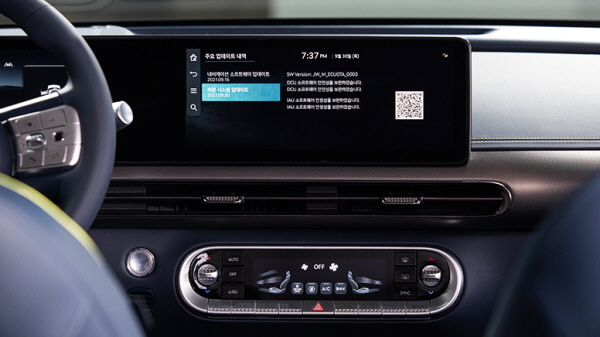
▲ 제네시스 GV 60 인포테인먼트 디스플레이 (사진출처: 현대차그룹)
테슬라, 제어기 대부분 OTA 적용
OTA 도입…보안 문제 해결 필수
‘소프트웨어 정의 자동차’가 ‘도로 위의 스마트폰’이라고 불릴 정도로 모빌리티 산업에 큰 바람을몰고 온 가운데 핵심 기술인 OTA도 함께 주목받고 있다.
업계에 따르면 다수의 글로벌 자동차 제조사들이 OTA 도입에 열을 올리고 있는 것으로 나타났다.
현대차는 지난달 CEO 인베스터데이에서 2030년까지 12조원을 투자해 커넥티비티 등 소프트웨어를 강화하겠다고 발표했다. 2025년까지 ‘올 커넥티드 카’를 구현하고 쌓인 데이터를 분석해 제어기 OTA를 확대하겠다는 방침이다. 2022년에 출시하는 제네시스 전기차 GV60과 G90 모델부터 OTA가 적용될 것으로 업계는 예상하고 있다.
볼보코리아는 지난해 OTA 서비스 특례 승인을 얻고 2022년 출시한 C40와 C40 리차지 모델에 안드로이드 오토모티브 OS 기반 OTA 기능을 적용했다. 차량용 소프트웨어, 티맵 등이 해당된다.
소프트웨어 정의 자동차(Software Defined Vehicle, SDV)는 소프트웨어를 통해 다양한 기능을 구현하는 차량을 뜻한다. ‘기계’라는 인식을 가지고 있는 자동차가 ‘전자제품’이라는 인식으로 변화하고 있다고도 볼 수 있다.
SDV는 △인포테인먼트 △카메라 △배터리 등의 기능도 무선으로 업데이트할 수 있기 때문에 정비소에 가지 않아도 된다는 편리성이 있다.
SDV의 핵심이 되는 기술이 OTA(Over The Air)다. OTA는 차량 제어기 소프트웨어를 무선으로 업데이트하는 기술이다.
많은 차량 제조사 OTA는 아직 네비게이션과 인포테인먼트 업데이트가 한계다. 반면, 테슬라는 차량 안에 있는 제어기 대부분에 OTA를 적용했다.
지난달 25일 테슬라는 후방 카메라 결함이 발생해 전기차 947대를 리콜했다. 후진할 때 후방 카메라 이미지가 디스플레이에 조금 늦게 나오기는 문제가 발생했기 때문이다. 테슬라 측은 이 문제를 OTA 기능으로 해결했다. 지난해 11월 주행시 충돌 방지를 위한 긴급 제동 장치 등으로 리콜에 직면했을 때도 OTA를 통한 소프트웨어 업데이트로 문제를 해결했다. 지난해 11월 3일 기준 99.8%의 리콜 대상 차량이 업데이트를 통해 결함을 수정했다고 테슬라 측은 밝혔다.
OTA의 잠재성은 크지만 쉽사리 도입하기 쉽지 않다는 의견도 있다. 보안 문제가 이유 중 하나다. 2025년까지 세계 자동차 시장의 86%를 차지할 만큼 크게 성장할 것으로 기대되는 가운데 다양한 네트워크를 통한 연결은 해커들에게 공격 경로를 제공할 수 있다는 문제가 제기되고 있다. 인피니언 이경수 과장은 “커넥티드 카는 해커의 공격으로 △악성 소프트웨어 △데이터 조작 △하드웨어 수준의 물리적 공격과 같은 위협에 노출될 수 있으며, △차량 운전자의 안전을 위협하고 △개인적인 데이터 손실이 일어날 수 있으며 △제조사 비즈니스에도 영향을 미칠 수 있다”고 말했다.
LG 전자는 자동차들끼리 서로 자동차 소프트웨어 기능과 버전이 같은 것으로 맞춰지는 것도 중요하다고 전했다. 자율 주행을 할 때 도로의 자동차들끼리 서로 신호를 주고받으면서 주행 속도도 조절하고 방향도 바꾸고 긴급 상황을 관리한다. 이때 어떤 자동차가 과거 소프트웨어 버전이라 제대로 신호를 주고받지 못한다면 사고로 이어질 수 있기 때문에 모두 최신 기능으로 업데이트해 서로 커뮤니케이션 가능한 상태를 유지하라 강조했다.
OTA 진행은 게이트웨이 제어기가 클라우드 서버와 통신해 업데이트할 파일을 받는 것에서부터 시작한다. 게이트웨이 제어기는 다운받은 파일을 100개가 넘는 차량 제어기에 파일을 유선으로 전송한다.
업데이트는 다운로드 단계와 설치 단계가 있다. 다운로드 단계는 게이트웨이 제어기가 업데이트 파일을 다운받은 후 각 제어기에 배포하는 단계다. 다운받는 동안 차량을 사용할 수 있다. 설치 단계에서는 다운 받은 파일을 업데이트하고 설치한다. 설치 중에는 운행, 충전이 불가능하다. 충전 관련 제어기를 업데이트하는 중일 수 있기 때문이다.
인터넷 끊김 등 상황에 대비하기 위해 복구 기능을 사용할 수 있도록 메모리 이중화도 필요하다. 사본을 만든 후 다운로드 및 설치를 해 중간에 안정성에 문제가 생기더라도 사본으로 원상복구하는 기술이다. 백그라운드 다운로드 기능은 다운로드 단계에서 주행, 충전이 가능하도록 하는 기술이다.
또한 OTA 보안을 위해서는 다양한 보안 하드웨어 엔진을 갖춘 반도체도 요구되는데 인피니언의 경우 TRAVEO™ T2G 제품을 통해 최근 요구되는 다양한 사양의 OTA 및 Secure Boot 기능을 제공하고 있다.
업계에 따르면 다수의 글로벌 자동차 제조사들이 OTA 도입에 열을 올리고 있는 것으로 나타났다.
현대차는 지난달 CEO 인베스터데이에서 2030년까지 12조원을 투자해 커넥티비티 등 소프트웨어를 강화하겠다고 발표했다. 2025년까지 ‘올 커넥티드 카’를 구현하고 쌓인 데이터를 분석해 제어기 OTA를 확대하겠다는 방침이다. 2022년에 출시하는 제네시스 전기차 GV60과 G90 모델부터 OTA가 적용될 것으로 업계는 예상하고 있다.
볼보코리아는 지난해 OTA 서비스 특례 승인을 얻고 2022년 출시한 C40와 C40 리차지 모델에 안드로이드 오토모티브 OS 기반 OTA 기능을 적용했다. 차량용 소프트웨어, 티맵 등이 해당된다.
소프트웨어 정의 자동차(Software Defined Vehicle, SDV)는 소프트웨어를 통해 다양한 기능을 구현하는 차량을 뜻한다. ‘기계’라는 인식을 가지고 있는 자동차가 ‘전자제품’이라는 인식으로 변화하고 있다고도 볼 수 있다.
SDV는 △인포테인먼트 △카메라 △배터리 등의 기능도 무선으로 업데이트할 수 있기 때문에 정비소에 가지 않아도 된다는 편리성이 있다.
SDV의 핵심이 되는 기술이 OTA(Over The Air)다. OTA는 차량 제어기 소프트웨어를 무선으로 업데이트하는 기술이다.
많은 차량 제조사 OTA는 아직 네비게이션과 인포테인먼트 업데이트가 한계다. 반면, 테슬라는 차량 안에 있는 제어기 대부분에 OTA를 적용했다.
지난달 25일 테슬라는 후방 카메라 결함이 발생해 전기차 947대를 리콜했다. 후진할 때 후방 카메라 이미지가 디스플레이에 조금 늦게 나오기는 문제가 발생했기 때문이다. 테슬라 측은 이 문제를 OTA 기능으로 해결했다. 지난해 11월 주행시 충돌 방지를 위한 긴급 제동 장치 등으로 리콜에 직면했을 때도 OTA를 통한 소프트웨어 업데이트로 문제를 해결했다. 지난해 11월 3일 기준 99.8%의 리콜 대상 차량이 업데이트를 통해 결함을 수정했다고 테슬라 측은 밝혔다.
OTA의 잠재성은 크지만 쉽사리 도입하기 쉽지 않다는 의견도 있다. 보안 문제가 이유 중 하나다. 2025년까지 세계 자동차 시장의 86%를 차지할 만큼 크게 성장할 것으로 기대되는 가운데 다양한 네트워크를 통한 연결은 해커들에게 공격 경로를 제공할 수 있다는 문제가 제기되고 있다. 인피니언 이경수 과장은 “커넥티드 카는 해커의 공격으로 △악성 소프트웨어 △데이터 조작 △하드웨어 수준의 물리적 공격과 같은 위협에 노출될 수 있으며, △차량 운전자의 안전을 위협하고 △개인적인 데이터 손실이 일어날 수 있으며 △제조사 비즈니스에도 영향을 미칠 수 있다”고 말했다.
LG 전자는 자동차들끼리 서로 자동차 소프트웨어 기능과 버전이 같은 것으로 맞춰지는 것도 중요하다고 전했다. 자율 주행을 할 때 도로의 자동차들끼리 서로 신호를 주고받으면서 주행 속도도 조절하고 방향도 바꾸고 긴급 상황을 관리한다. 이때 어떤 자동차가 과거 소프트웨어 버전이라 제대로 신호를 주고받지 못한다면 사고로 이어질 수 있기 때문에 모두 최신 기능으로 업데이트해 서로 커뮤니케이션 가능한 상태를 유지하라 강조했다.
OTA 진행은 게이트웨이 제어기가 클라우드 서버와 통신해 업데이트할 파일을 받는 것에서부터 시작한다. 게이트웨이 제어기는 다운받은 파일을 100개가 넘는 차량 제어기에 파일을 유선으로 전송한다.
업데이트는 다운로드 단계와 설치 단계가 있다. 다운로드 단계는 게이트웨이 제어기가 업데이트 파일을 다운받은 후 각 제어기에 배포하는 단계다. 다운받는 동안 차량을 사용할 수 있다. 설치 단계에서는 다운 받은 파일을 업데이트하고 설치한다. 설치 중에는 운행, 충전이 불가능하다. 충전 관련 제어기를 업데이트하는 중일 수 있기 때문이다.
인터넷 끊김 등 상황에 대비하기 위해 복구 기능을 사용할 수 있도록 메모리 이중화도 필요하다. 사본을 만든 후 다운로드 및 설치를 해 중간에 안정성에 문제가 생기더라도 사본으로 원상복구하는 기술이다. 백그라운드 다운로드 기능은 다운로드 단계에서 주행, 충전이 가능하도록 하는 기술이다.
또한 OTA 보안을 위해서는 다양한 보안 하드웨어 엔진을 갖춘 반도체도 요구되는데 인피니언의 경우 TRAVEO™ T2G 제품을 통해 최근 요구되는 다양한 사양의 OTA 및 Secure Boot 기능을 제공하고 있다.

관련뉴스
-
NXP, 차량용 SW 개발 복잡성 줄이는 S32K MCU 공개
소프트웨어 개발은 오늘날 차량 개발에 있어 중요한 과제다. 이에 NXP 반도체는 자사의 S32K 차량용 MCU 포트폴리오에 소프트웨어 개발을 간소화하는 S32K3 MCU 제품군을 추가했다. S32K는 무료 자동차 등급 드라이버로 개발을 가속하고, 보안 기능과 OTA 업데이트를 간소화해 안전 규정 준수도 용이하게 한다.
2020-11-10 오후 12:05:40by 명세환 기자
-
온세미컨덕터, 보쉬 IoT 스위트에 자사 플랫폼 통합
대규모 IoT 장치의 구축과 관리는 정기적인 FOTA 및 SOTA 업데이트에 기반한다. 이를 지원하기 위해 온세미컨덕터는 보쉬 IoT 스위트에 자사 IoT 플랫폼을 통합했다. 현재 RSL10 센서 개발 키트와 RSL10 스마트 샷 카메라가 보쉬 IoT 스위트 생태계 내에서 지원 중이며, 향후 다른 플랫폼이 추가될 예정이다.
2021-05-18 오전 9:21:17by 이수민 기자
-

[인터뷰]김형준 인피니언 코리아 오토모티브 사업부 매니저
차량용 무선 소프트웨어 업데이트 기술인 OTA에 대해 인피니언의 김형준 매니저가 자세하게 설명한다.
2021-11-02 오후 3:10:29by 배종인 기자
미래 자동차의 필수 기술인 OTA와 Secure Boot를 위한 TRAVEO™ T2G 아키텍처 이해
2021-12-07 10:30~12:00
Infineon / 김형준 매니저



.jpg)
많이 본 뉴스

[열린보도원칙] 당 매체는 독자와 취재원 등 뉴스이용자의 권리 보장을 위해 반론이나 정정보도, 추후보도를 요청할 수 있는 창구를 열어두고 있음을 알려드립니다.
고충처리인 장은성 070-4699-5321 , news@e4ds.com