글로벌 車, PBV·구독 서비스 확대
기사입력 2022.04.21 16:32
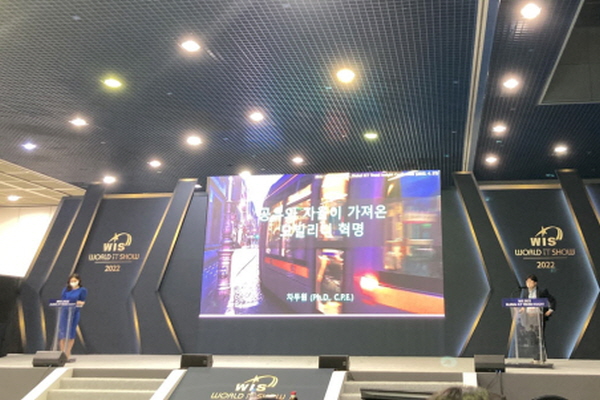
▲ 차두원 소장(오른쪽)이 발표하고 있다. (사진: 성유창)
글로벌 ICT 전망 콘퍼런스 개최
목적기반차량, 글로벌 관심 ↑
2030년 전 세계 커넥티드카가 신차의 98%에 달할 것으로 전망되며, 최근에는 목적기반차량(PBV) 및 다양한 차량 내 서비스에 대한 관심이 높아지고 있는 가운데 모빌리티는 어떻게 진화할 것인지에 대한 정보를 공유할 수 있는 자리가 마련됐다.
코엑스에서 열린 월드IT쇼(World IT Show 2022, 이하 WIC)에서 글로벌 ICT 전망 콘퍼런스가 열렸다. 2일차인 21일에는 세 번째 세션인 ‘모빌리티 로드’에 관해 정보를 공유하는 자리가 마련됐다.
차두원 차두원모빌리티연구소 소장은 ‘공유와 자율이 가져온 모빌리티 혁명’을 주제로 발표하며 “최근 공유는 구독, 자율은 본격 레벨3 출시를 앞두고 있으며, 본격적인 전동화와 연결의 확산은 모빌리티 산업 구조와 서비스에 많은 변화를 예상하고 있다”고 말했다.
중국 Neolix의 PBV는 레벨4 자율주행 기능이 탑재됐고, 최고속도 시속 50km로 달릴 수 있다. 창저우시에 연간 1만대를 생산할 수 있는 지능형생산라인을 구축했고, 2025년 10만대 판매를 목표로 두었다. 중국 기업들의 경우 다른 국가들의 1/3 가격으로 가격 경쟁력에서 우위를 점하고 있다.
일본 기업인 히노(HINO)는 FlatFormer라는 PBV 플랫폼을 개발해 다양성을 꿰찼다. 어퍼모듈(Upper Module)을 변경할 수 있어 차량 용도에 따라 화물운송, 광고화면 탑재 등 다양한 용도로 이용될 수 있는 장점이 있다.
코엑스에서 열린 월드IT쇼(World IT Show 2022, 이하 WIC)에서 글로벌 ICT 전망 콘퍼런스가 열렸다. 2일차인 21일에는 세 번째 세션인 ‘모빌리티 로드’에 관해 정보를 공유하는 자리가 마련됐다.
차두원 차두원모빌리티연구소 소장은 ‘공유와 자율이 가져온 모빌리티 혁명’을 주제로 발표하며 “최근 공유는 구독, 자율은 본격 레벨3 출시를 앞두고 있으며, 본격적인 전동화와 연결의 확산은 모빌리티 산업 구조와 서비스에 많은 변화를 예상하고 있다”고 말했다.
중국 Neolix의 PBV는 레벨4 자율주행 기능이 탑재됐고, 최고속도 시속 50km로 달릴 수 있다. 창저우시에 연간 1만대를 생산할 수 있는 지능형생산라인을 구축했고, 2025년 10만대 판매를 목표로 두었다. 중국 기업들의 경우 다른 국가들의 1/3 가격으로 가격 경쟁력에서 우위를 점하고 있다.
일본 기업인 히노(HINO)는 FlatFormer라는 PBV 플랫폼을 개발해 다양성을 꿰찼다. 어퍼모듈(Upper Module)을 변경할 수 있어 차량 용도에 따라 화물운송, 광고화면 탑재 등 다양한 용도로 이용될 수 있는 장점이 있다.
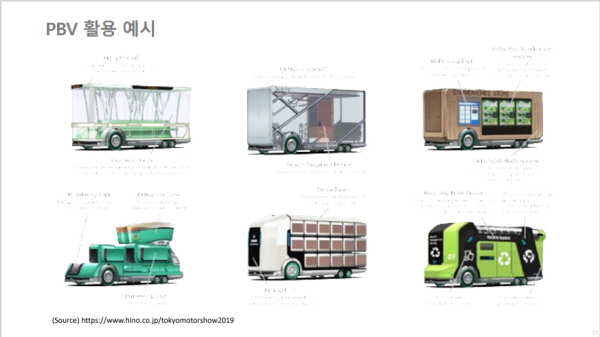
▲ PBV 활용 예시 (출처: 글로벌 ICT 전망 콘퍼런스 프로그램북)
GM도 혼다와 크루즈와 공동으로 6인승 전기 자율주행차를 선보였다. 조작기와 주행 보조장치가 미탑재 되었으며, 모듈식 차체로 구성되어 효율성을 높였다. 조작기가 설치되지 않아 안전문제가 발생할 수 있어 원격조종 시스템이 탑재될 것으로 예상된다.
차 소장은 도시 내 차량 수를 줄이는 것을 목표로 하는 세계의 흐름에 다양한 용도로 사용될 수 있는 PBV가 유리하게 작용할 것이라 전했다.
GM은 2030년까지 교통수단의 25%를 자율주행으로 전환하는 것을 목표로 하고 있는 두바이와 지난해 4월 계약을 맺고 2023년부터 2030년까지 4천대의 PBV를 운용할 예정이다.
기아도 PBV 사업전략인 Plan S를 공개했다. B2C의 수요는 감소할 것으로 예상되나 B2B의 수요는 가파른 성장세를 보일 것으로 전망됨에 따라 운송, 물류 등 PBV 수요가 확대될 것으로 보인다. 기아는 Flexible 맞춤차 등의 전략을 내세워 PBV 상품 고도화를 통한 B2B 고객의 니즈에 대응할 방침이다.
주요 자동차 제조사들은 소프트웨어 개발 조직을 확장하고 구독 서비스 확대에 집중한다.
차량 OS가 미래 자동차의 핵심 기술로 떠오르자 현대차, 폭스바겐 등 다양한 업체들이 소프트웨어 인력을 늘린다고 발표했다. 폭스바겐 그룹은 2025년까지 270억유로를 투자해 보유인원을 최대 1만명, 현대차 그룹은 2026년까지 소프트웨어 전문 인력을 위해 1조5,000억원을 투입한다. 이에 그치지 않고 글로벌 자동차 업계는 OEM을 맺고 소프트웨어 개발에 열을 올리고 있다.
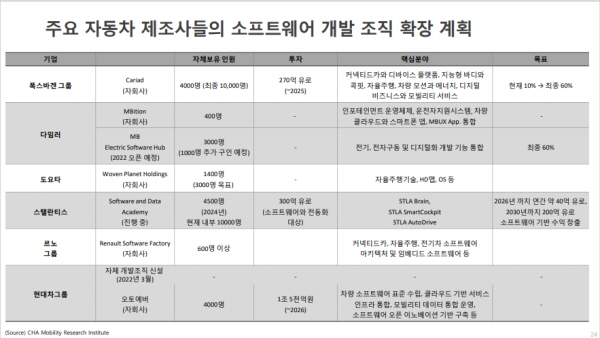
▲ 주요 자동차 제조사들의 소프트웨어 개발 조직 확장 계획 (출처: 글로벌 ICT 전망 콘퍼런스 프로그램북)
구독 서비스의 경우 볼보는 2025년까지 Care by Volvo 구독을 통해 매출 50% 달성을 목표로 한다. 폭스바겐 그룹도 2020년대 말까지 수익 20%를 구독모델과 모빌리티 서비스를 통해 창출할 것이라는 계획을 발표했다.
차두원 소장은 “자율주행의 첫 번째 조건은 무조건 ‘안전’이다”라며 “자율주행차, 일반 차량, 퍼스널 모빌리티 등이 어떻게 하면 함께 안전하게 다닐 수 있는지에 관해서는 아직 과제로 남아있다”라고 전했다.


.jpg)

많이 본 뉴스

[열린보도원칙] 당 매체는 독자와 취재원 등 뉴스이용자의 권리 보장을 위해 반론이나 정정보도, 추후보도를 요청할 수 있는 창구를 열어두고 있음을 알려드립니다.
고충처리인 장은성 070-4699-5321 , news@e4ds.com