볼보 EX90 SUV, 엔비디아 드라이브 오린 탑재
기사입력 2022.11.14 09:43
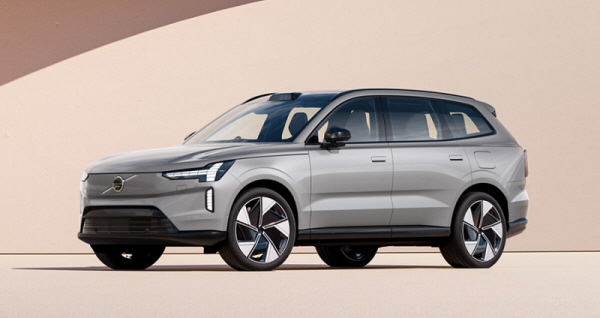
▲ 볼보 EX90 (사진 제공: 엔비디아)
드라이브 오린, 컴퓨팅 플랫폼 탑재 차량 내부 핵심 기능 작동
EX90 SUV, 자율주행 하드웨어 최초 탑재 차량 자리매김
볼보 자동차가 엔비디아의 플랫폼을 탑재하며 전기화, 기술 및 안전의 새로운 시대의 시작을 알렸다.
엔비디아는 엔비디아 드라이브 오린(NVIDIA DRIVE Orin) 기반 볼보 EX90 SUV가 출시됐다고 10일 전했다.
이 차량은 중앙 집중식 엔비디아 드라이브 오린 플랫폼으로 구동되는 새로운 파워트레인, 브랜딩 및 소프트웨어 정의 AI 컴퓨팅으로 처음부터 끝까지 재설계됐다.
볼보 EX90 실루엣은 볼보 자동차의 기능을 따르는 형태라는 디자인 원칙을 따르는 동시에 미관도 챙겼다.
후드 아래에는 전기화, 커넥티비티, 코어 컴퓨팅, 안전 및 인포테인먼트의 새로운 발전을 위한 첨단 기술로 이뤄져 있다.
EX90은 SDV(소프트웨어 정의 차량)으로 자율 주행을 할 수 있도록 하드웨어가 준비된 최초의 볼보 자동차로 자리매김했다.
볼보 EX90은 스마트한 외관과 이를 뒷받침할 두뇌를 보유하고 있다.
볼보 자동차의 독점 소프트웨어는 엔비디아 드라이브 오린이 실행한다.
드라이브 오린은 안전, 인포테인먼트, 배터리 관리를 포함한 차량 내부의 대부분의 핵심 기능을 작동한다.
이러한 지능형 아키텍처는 차량에 탑승한 모든 승객에게 뛰어난 반응성과 즐거운 경험을 제공하도록 설계됐다.
드라이브 오린 SoC는 초당 254조 번의 작업을 제공해 소프트웨어 정의 아키텍처를 위한 충분한 컴퓨팅 헤드룸을 제공한다.
이는 ISO 26262 ASIL-D와 같은 체계적인 안전 표준을 달성하는 데 필요한 수많은 애플리케이션과 딥 뉴럴 네트워크를 처리하도록 설계됐다.
Computer on Wheels라 불리는 미래 자동차에서 볼보 자동차는 더 많은 소프트웨어 기능을 추가하고 개선되도록 할 것으로 보인다.
볼보 측은 “볼보 EX90은 소프트웨어 정의 미래를 위한 볼보 자동차 계획의 시작에 불과하다”며 “볼보 자동차는 2030년까지 순수 전기, 소프트웨어 정의 라인업을 갖추는 것을 최종 목표로 2025년까지 매년 새로운 EV를 출시할 계획”이라고 밝혔다.
엔비디아는 엔비디아 드라이브 오린(NVIDIA DRIVE Orin) 기반 볼보 EX90 SUV가 출시됐다고 10일 전했다.
이 차량은 중앙 집중식 엔비디아 드라이브 오린 플랫폼으로 구동되는 새로운 파워트레인, 브랜딩 및 소프트웨어 정의 AI 컴퓨팅으로 처음부터 끝까지 재설계됐다.
볼보 EX90 실루엣은 볼보 자동차의 기능을 따르는 형태라는 디자인 원칙을 따르는 동시에 미관도 챙겼다.
후드 아래에는 전기화, 커넥티비티, 코어 컴퓨팅, 안전 및 인포테인먼트의 새로운 발전을 위한 첨단 기술로 이뤄져 있다.
EX90은 SDV(소프트웨어 정의 차량)으로 자율 주행을 할 수 있도록 하드웨어가 준비된 최초의 볼보 자동차로 자리매김했다.
볼보 EX90은 스마트한 외관과 이를 뒷받침할 두뇌를 보유하고 있다.
볼보 자동차의 독점 소프트웨어는 엔비디아 드라이브 오린이 실행한다.
드라이브 오린은 안전, 인포테인먼트, 배터리 관리를 포함한 차량 내부의 대부분의 핵심 기능을 작동한다.
이러한 지능형 아키텍처는 차량에 탑승한 모든 승객에게 뛰어난 반응성과 즐거운 경험을 제공하도록 설계됐다.
드라이브 오린 SoC는 초당 254조 번의 작업을 제공해 소프트웨어 정의 아키텍처를 위한 충분한 컴퓨팅 헤드룸을 제공한다.
이는 ISO 26262 ASIL-D와 같은 체계적인 안전 표준을 달성하는 데 필요한 수많은 애플리케이션과 딥 뉴럴 네트워크를 처리하도록 설계됐다.
Computer on Wheels라 불리는 미래 자동차에서 볼보 자동차는 더 많은 소프트웨어 기능을 추가하고 개선되도록 할 것으로 보인다.
볼보 측은 “볼보 EX90은 소프트웨어 정의 미래를 위한 볼보 자동차 계획의 시작에 불과하다”며 “볼보 자동차는 2030년까지 순수 전기, 소프트웨어 정의 라인업을 갖추는 것을 최종 목표로 2025년까지 매년 새로운 EV를 출시할 계획”이라고 밝혔다.

관련뉴스
-
엔비디아 ‘호퍼’, 메타 그랜드 테톤 데이터센터 지원
AI 컴퓨팅 기술 분야의 선두주자인 엔비디아(CEO 젠슨 황)의 H100 GPU가 메타의 데이터센터를 지원하며, 메타의 주요 인공지능 문제 해결에 나선다.
2022-10-21 오후 3:15:43by 배종인 기자
-
엔비디아, 아이작 ROS SW 최신 업데이트 발표
AI 컴퓨팅 기술 분야의 선두주자인 엔비디아(CEO 젠슨 황)가 자율 이동 로봇을 위한 오픈 소스 차량 관리 도구 기능이 제공되는 최신 로봇운영체제를 내놨다.
2022-10-24 오후 12:04:07by 배종인 기자
-
카트켄 배송 서비스 로봇, 엔비디아 젯슨 탑재
엔비디아는 카트켄(Cartken)의 배달 서비스형 로봇에 엔비디아 젯슨(NVIDIA Jetson)이 탑재됐다고 지난 2일 밝혔다.
2022-11-07 오후 3:20:06by 성유창 기자

.jpg)
많이 본 뉴스

[열린보도원칙] 당 매체는 독자와 취재원 등 뉴스이용자의 권리 보장을 위해 반론이나 정정보도, 추후보도를 요청할 수 있는 창구를 열어두고 있음을 알려드립니다.
고충처리인 장은성 070-4699-5321 , news@e4ds.com