“자율주행 수익, 2027년 이후 가능”
기사입력 2022.12.05 15:21
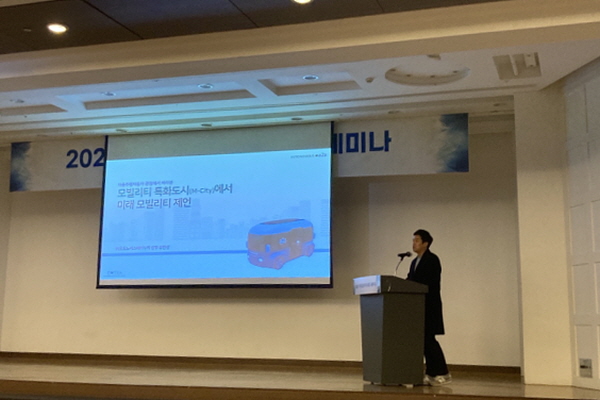
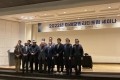
▲유민상 오토노머스에이투지 상무가 미래모빌리티포럼 세미나에서 발표하고 있다.
5兆 투자 유치 Argo AI 폐업, 자율주행 투자 위축 전망
자율주행 산업 생태계 조성 위한 지원 정책 병행 중요
완성차 업계, 자율주행 SW 구독서비스로 수익 창출 나서
자율주행 기술을 선점하고 서비스하기 위해 과학기술정보통신부, 국토교통부 등의 기관들의 노력과 투자가 뒷받침되고, 기업들의 R&D와 실증이 이루어지고 있지만 수익이 창출되는 시점은 2027년 이후에나 가능할 것으로 보여 상용화 시점까지 자율차 업계가 생존할 수 있는 여건 조성이 중요하다는 업계의 목소리가 나왔다.
유민상 오토노머스 에이투지 상무는 지난 10월 한국자동차기자협회가 주최한 ‘2022 한국자동차기자협회 심포지엄’에서 “2025년도에 레벨4 자율차의 법규가 제정된다 하더라도 인증을 받고 판매를 개시해 기업의 수익이 발생하는 시점은 2027년 이후에나 가능할 것으로 보인다”며 “레벨4 자율주행 자동차의 상용화 시점까지 자율차 업계가 생존할 수 있는 여건 조성이 중요하다”고 발표했다.
자율주행 업체 입장에서는 5년 이상을 수익 없이 견뎌내야 한다는 의미다.
현재 자율주행 관련 스타트업 및 기업들은 기관과 대기업들의 투자로 기술개발에 집중할 수 있으나, 투자만으로 운영할 수는 없는 노릇이다.
포드와 폭스바겐으로부터 5조원에 가까운 투자를 받은 Argo AI가 폐업하면서 자율주행 수익에 대한 의문은 더욱 커졌다.
2022년 자율주행 레벨4를 꿈꾸며 투자를 시작했으나 안전문제 등으로 상용화가 늦어지면서 6년만에 Argo AI는 역사로 남게 됐다.
로이터통신에 따르면 짐 팔리 포드 CEO는 Argo AI와 관련해 "완전자율주행 시스템에서 포드의 ADAS으로 개발 초점을 바꿀 것"이라며 "완전자율주행으로 수익을 거두는 것은 한참 뒤에나 가능하며 해당 기술을 반드시 직접 만들 필요는 없다고 결론을 내렸다"고 말했다.
이어 Argo AI에 대한 투자에 대해 27억달러의 세전 손실을 기록했으며 3분기에 8억2,700만달러의 순손실을 기록했다고 밝혔다.
현실을 마주한 자율주행 업계는 Argo AI의 폐업이 자율주행에 대한 투자가 얼어붙을 수도 있다고 전망하기도 한다.
세계에서 손꼽히는 자율주행 기업 중 하나인 크루즈도 매일 69억원에 달하는 적자를 기록하고 있다.
큰 적자를 감수하면서까지 자율주행에 투자하는 이유는 시장의 잠재성이 크기 때문이다.
유민상 오토노머스 에이투지 상무는 지난 10월 한국자동차기자협회가 주최한 ‘2022 한국자동차기자협회 심포지엄’에서 “2025년도에 레벨4 자율차의 법규가 제정된다 하더라도 인증을 받고 판매를 개시해 기업의 수익이 발생하는 시점은 2027년 이후에나 가능할 것으로 보인다”며 “레벨4 자율주행 자동차의 상용화 시점까지 자율차 업계가 생존할 수 있는 여건 조성이 중요하다”고 발표했다.
자율주행 업체 입장에서는 5년 이상을 수익 없이 견뎌내야 한다는 의미다.
현재 자율주행 관련 스타트업 및 기업들은 기관과 대기업들의 투자로 기술개발에 집중할 수 있으나, 투자만으로 운영할 수는 없는 노릇이다.
포드와 폭스바겐으로부터 5조원에 가까운 투자를 받은 Argo AI가 폐업하면서 자율주행 수익에 대한 의문은 더욱 커졌다.
2022년 자율주행 레벨4를 꿈꾸며 투자를 시작했으나 안전문제 등으로 상용화가 늦어지면서 6년만에 Argo AI는 역사로 남게 됐다.
로이터통신에 따르면 짐 팔리 포드 CEO는 Argo AI와 관련해 "완전자율주행 시스템에서 포드의 ADAS으로 개발 초점을 바꿀 것"이라며 "완전자율주행으로 수익을 거두는 것은 한참 뒤에나 가능하며 해당 기술을 반드시 직접 만들 필요는 없다고 결론을 내렸다"고 말했다.
이어 Argo AI에 대한 투자에 대해 27억달러의 세전 손실을 기록했으며 3분기에 8억2,700만달러의 순손실을 기록했다고 밝혔다.
현실을 마주한 자율주행 업계는 Argo AI의 폐업이 자율주행에 대한 투자가 얼어붙을 수도 있다고 전망하기도 한다.
세계에서 손꼽히는 자율주행 기업 중 하나인 크루즈도 매일 69억원에 달하는 적자를 기록하고 있다.
큰 적자를 감수하면서까지 자율주행에 투자하는 이유는 시장의 잠재성이 크기 때문이다.
유 상무는 지난 11월 강원도와 미래모빌리티포럼이 모빌리티특화도시(M-city)를 주제로 개최한 미래모빌리티포럼 세미나에서 "라이다 등 다양한 장비들이 국산화 되며 자율주행차 가격이 전보다는 낮아진 3억원 대이나, 현재는 자율주행택시 이용요금인 1,000원으로는 1년 수입이 100만원도 되지 않는다"며 “자율주행이 대한민국의 미래 국가 경쟁력이 될 수 있도록 산업 생태계 조성을 위한 지원 정책의 병행이 매우 중요하다”고 강조했다.
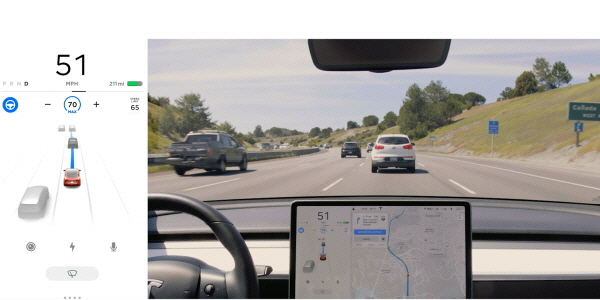
▲ 테슬라 FSD (출처: 테슬라 홈페이지)
완성차 업계는 자율주행에 투자한 금액을 회수하기 위한 방법 중 하나로 구독 서비스를 택했다.
테슬라, GM과 볼보는 자율주행 SW를 구독서비스로 제공하며 새로운 수익모델을 만들어냈다.
테슬라는 지난 11월24일 FSD(Full Self-Driving) 베타 서비스 확대를 발표했다.
북미 이용자 제한되어 10월에 2,000명밖에 이용을 하지 않았으나, 이용자는 점차 많아질 것으로 전망된다.
테슬라 FSD의 구매 가격은 1만5,000달러 혹은 월 199달러로 서비스를 이용할 수 있다.
테슬라에 따르면 2022년 1분기부터 3분기까지 인도된 차량은 90만8,573대다.
단순한 계산으로 모든 차량이 FSD 구독서비스를 이용한다면 1억8,000만달러 이상을 구독 서비스 이용료로만 수익을 얻을 수 있다.
한편 캘리포니아 자동차 관리국은 FSD 시스템은 레벨2 자율주행 기능에 불과하다며 이용자의 주의를 당부하면서 완전한 자율주행 시대를 열지는 못할 것으로 보인다.
GM은 Super Cruise 기능을 월 25달러로 서비스한다.
Super Cruise는 자율주행 레벨3에 가까운 수준의 시스템으로 미국 내 약 64만3,737km에 달하는 특정 구역에서 핸즈프리(Hands Free)로 운행된다.
GM은 Super Cruise보다 한 단계 진화한 Ultra Cruise 발표하며 기대감을 증폭시키고 있다.
GM은 2023년 캐딜락 셀레스틱 등을 통해 Ultra Cruise를 선보일 예정이다
완전 자율주행은 아니기 때문에 여전히 운전자의 주의는 필요하다.
볼보 또한 자율주행 레벨3 수준의 Ride Pilot을 준비하며 자율주행 기술 전쟁에 발을 들여놓았다.
자율주행 서비스 구독으로 새로운 수익 모델을 만든 완성차 업계지만 우려의 목소리도 나오고 있다.
자율주행에 대한 사회적 수용성과 구독료에 대한 부담이 걸림돌이다.
자동변속기가 대중화되는 데까지 50년, 에어백은 25년이 소요됐다고 한다.
천문학적인 금액이 투자되는 자율주행은 얼마나 빨리 생활에 녹아들 수 있는지, 소비자가 과연 자동차 구입 금액 이외의 서비스에 적극적으로 지갑을 열지도 지켜볼 필요가 있다.

관련뉴스
-
자율사물·자율주행, 통합적 접근 必
미래 모빌리티에 대한 산업적 접근의 다양화를 통한 새로운 접근 방안이 필요하다는 전문가의 의견이 제기됐다.
2022-11-07 오후 12:31:25by 성유창 기자
-
“자율주행 표준, 하나의 기업이 감당하기 어렵다”
모라이와 앤시스가 자율주행 개발과 평가를 위한 SOTIF와 시뮬레이션(부제: 툴체인기반)을 주제로 포럼을 열고 SOTIF와 자율주행 시뮬레이션의 기술 및 동향을 공유했다.
2022-11-09 오전 10:35:35by 성유창 기자
-
자율주행 사회적수용 사고원인 공개 必
국토부 로드맵에 모빌리티 특화도시에 대한 내용이 포함됨에 따라 자율주행 사회적 수용성 향상이 중요해질 것이며 교통사고 요인의 복잡성도 커질 것으로 전문가들은 내다봤다.
2022-11-15 오후 5:13:48by 성유창 기자


많이 본 뉴스

[열린보도원칙] 당 매체는 독자와 취재원 등 뉴스이용자의 권리 보장을 위해 반론이나 정정보도, 추후보도를 요청할 수 있는 창구를 열어두고 있음을 알려드립니다.
고충처리인 장은성 070-4699-5321 , news@e4ds.com