Preemptive establishment of safety standards for autonomous vehicles
Development of a future drone traffic management system
The Ministry of Land, Infrastructure and Transport announced the direction and tasks of regulatory innovation for innovative growth leading projects such as smart cities, autonomous vehicles, and drones.
As new technologies and industries are introduced, concerns about safety and security arise. Considering these concerns, measures have been considered to establish safety standards and ensure timely implementation.
In particular, we plan to have opportunities to exchange opinions with the private sector, including industry and civic groups, to build a national consensus during the process of creating the system.
A smart city is a model city that integrates new technologies to solve various urban problems and improve the quality of life. To achieve this, "Innovation Growth Promotion Zones" will be established, significantly relaxing special regulations on location and other factors to allow for the incorporation of diverse ideas and innovations, free from the constraints of conventional urban planning.
To enable local governments to efficiently provide public-purpose smart city services, we are pursuing institutional improvements, including expanding private network connectivity and leveraging private services. The plan is to allow companies of all sizes to participate in national pilot cities.
Self-driving cars have been difficult to develop business models for due to various regulations in development laws. Accordingly, we plan to introduce an autonomous driving regulation sandbox exempt from all regulations in smart cities and other areas, allowing for pilot operation of future services such as unmanned autonomous taxis.

Previously, even identical autonomous vehicles had to undergo safety verification each time they applied for a temporary operating permit. However, for vehicles identical to previously approved autonomous vehicles, test operation approval is now granted simply by verifying documentation. This shortens the permitting period and alleviates the restrictions imposed by mandatory driver compliance regulations.
We plan to proactively establish safety standards, which are the manufacturing and performance criteria that autonomous vehicles must meet, to enable commercialization of autonomous vehicles by 2020 and establish international standards. Furthermore, we will establish an appropriate insurance system to clearly define liability for accidents.
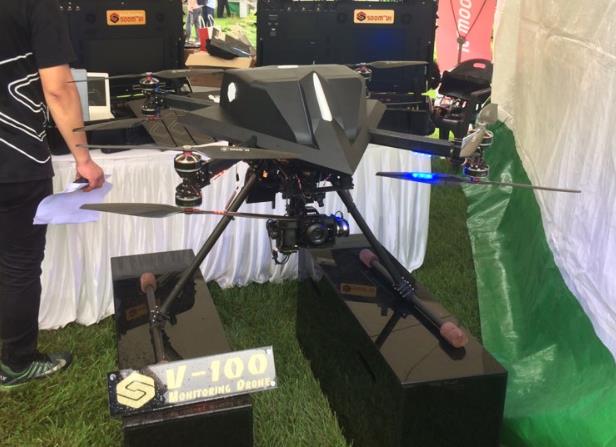
A regulatory sandbox will be utilized to develop a future-oriented drone traffic management system. We plan to select areas where commercialization testing is difficult in the private sector and provide regulatory relief and financial support to encourage early commercialization.
The existing drone classification system, which focuses on weight and purpose, will be upgraded to one based on risk and performance, with differentiated regulations applied. Low-performance drones, such as toy-class drones, will be subject to negative regulations, exempting them from mandatory requirements like altitude restrictions and restricted-area flight bans. High-performance drones will be subject to enhanced safety management, including safety certification, pilot qualifications, and insurance, to ensure convenient and safe drone use.
The K-Drone System is expected to be developed and completed by 2021, and its application areas will be expanded and refined through demonstrations starting in 2022, enabling its use in drone delivery and unmanned aerial taxis.