5G, AI 경쟁 속 반도체 산업의 미래는?
기사입력 2019.11.19 13:47
화웨이, 5G 기반 AI 컴퓨팅 플랫폼 보급
소프트뱅크, 美 도심 99% 5G 공급 추진삼성, 3GAE 공정 기술로 팹리스와 협업
한국은 2018년 평창동계올림픽에서 5G 기술을 세계 최초로 선보인 이후 2019년을 5G 상용화 해로 선언했다. SKT 박정호 사장은 "5G는 오프라인 세상 자체가 무선으로 들어오는 것“이라 설명한 바 있다. 그는 4차 산업혁명 시대에 5G와 AI를 융합관계로 인식하고 5G를 대동맥, AI를 두뇌로 표현했다.
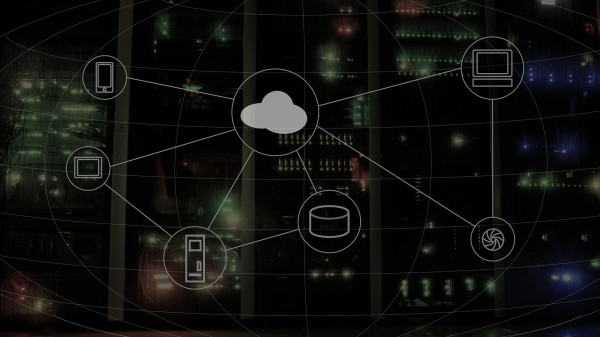
▲ 5G는 자율주행자동차, 인공지능 로봇, 사물인터넷 기기 등에서 반도체 수요 증가를 견인할 전망이다.
초고속, 초연결, 초저지연을 특성으로 하는 5G는 엣지 컴퓨팅 성능을 극대화해 실시간 대용량 데이터 처리를 요구하는 AI 분석에 도움을 준다. 클라우드 환경에서 데이터를 주고받는 과정을 최소화해 클라우드의 부담을 줄이면서 데이터 처리 속도는 높이는 한편 보안, 데이터 저장, 처리비용 측면에 대한 경쟁력을 확보할 수 있다.
특히 4차 산업혁명 시대를 맞아 5G는 반도체 시장을 견인하고 있다. 자율주행자동차, 인공지능 로봇, 사물인터넷 기기 등 새로운 영역에서 반도체 수요가 급증할 것으로 전문가들은 전망하고 있다.
글로벌 반도체 시장에서 삼성전자와 SK하이닉스가 세계 최강자 위치에 있지만 안심할 수 없는 상황이다. 5G와 AI를 중심으로 매서운 속도로 추격해오고 있는 곳, 바로 중국 때문이다. 메이드 인 차이나(Made in China)에서 메이드 포 차이나(Made for China)로 통하는 4차 산업혁명 시대. 반도체 산업의 미래에 대해 SK증권 IT총괄 김영우 연구원을 통해 알아 봤다.
도전하는 중국·저지하는 미국
화웨이는 지난 2월 열린 세계 최대 모바일 박람회 ‘MWC 2019'에 참가해 ’완전히 연결된 지적 세계 구축(Building a Fully connected, Intelligent World)‘이라는 슬로건을 내세우며 5G를 인공지능에 사용해 AI 컴퓨팅 플랫폼을 제작·보급하는 장기 전략을 추진하고 있다.
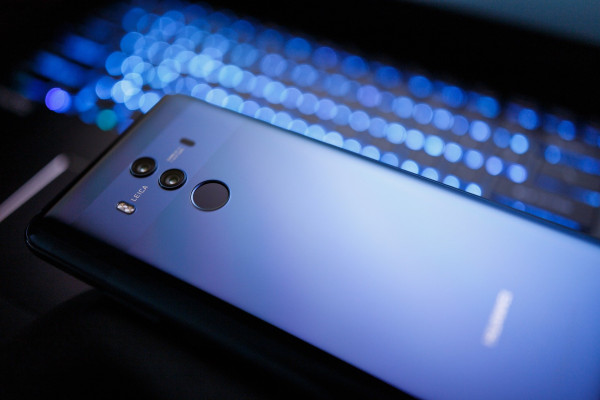
▲ 중국은 통신장비의 절반 이상을 화웨이로 사용하도록 추진할 예정이었지만 미중 분쟁이 걸림돌로 작용했다.
5G는 데이터를 많이 사용하는 특성을 갖고 있어 5G 기술이 발전할 경우 휴대폰을 넘어 AI 영역까지 접목 가능하다. 화웨이는 5G, AI는 물론 AI를 적용시켜 실행하는 RPA(Robotic Process Automation)에 대한 기술력까지 보유한 Total Solution 기업이라는 점에 의미를 지닌다.
현재 RPA는 SAP, Siemens 등의 기업이 있는 유럽이 가장 높은 수준을 보유하고 있고 머신러닝, 클라우드 기술은 미국이 가장 뛰어나지만 전문가들은 향후 2~3년 내 중국이 앞설 것으로 예상하고 있다.
중국 기업들은 중국 정부가 개인정보를 요구할 때 이를 언제든지 제공하기로 약속함은 물론 AI의 근간이 되는 표본데이터양 자체가 압도적으로 많기 때문이다. AI기술의 핵심은 기술을 얼마나 현실화해서 운용할 수 있느냐에 달려 있으며 초기 데이터 수집이 잘 갖춰져 있으면 AI기술은 빠른 속도로 발전할 수 있다.
이에 미국은 글로벌 시장에서 주도권을 내어주지 않기 위해 자신들이 갖고 있는 반도체, OS 분야에 대한 강점을 이용해 화웨이를 공격하고 있고, 여기에 영국회사 Arm이 동참하고 있는 상황이다.
미·중 무역분쟁이 경제전쟁을 넘어 헤게모니 전쟁으로 바뀌어 버린 것이다.
5G·Edge Computing 상호보완 관계
최근 다양한 산업 분야에서 IoT 기술을 적용하는 사례가 증가하고 있다. 하지만 IoT에서 생성된 데이터를 서버로 보내는 과정에 대한 인프라는 아직 제대로 갖춰지지 않은 실정이다. IoT에서 만들어진 데이터를 클라우드 서버에 일일이 보내야 하는데 여기서 보안문제가 발생할 수 있다.
5G 도입을 통해 단말기 자체 또는 단말기 주변에서 데이터를 처리하는 엣지 컴퓨팅(Edge Computing) 기술을 발전시켜 나가야 한다는 게 전문가들의 지적이다. 무엇보다 엣지 컴퓨팅 기술은 원치 않는 정보(데이터)를 걸러내는 역할을 할 수 있어 통신 분야를 넘어 인공지능 스피커, 자율주행자동차 등 다양한 영역에 적용될 것으로 기대를 모으고 있다.
현재까지 국내에서는 엣지 컴퓨팅 개발 회사 대부분이 팹리스(Fabless) 업체이기 때문에 엣지 컴퓨팅 기술이 상용화될 경우 파운드리(Foundry) 업체에도 긍정적 요소로 작용할 수 있다.
5G 기술력으로 글로벌 강자되려는 중국
현재 미중 분쟁의 여파로 중국 시스템반도체 분야 1위 기업이자 화웨이의 자회사인 하이실리콘이 제재를 받고 있지만 업계 2위인 UNISOC가 최근 5G 모델을 공개하며 세계시장에서 주목을 받고 있다.
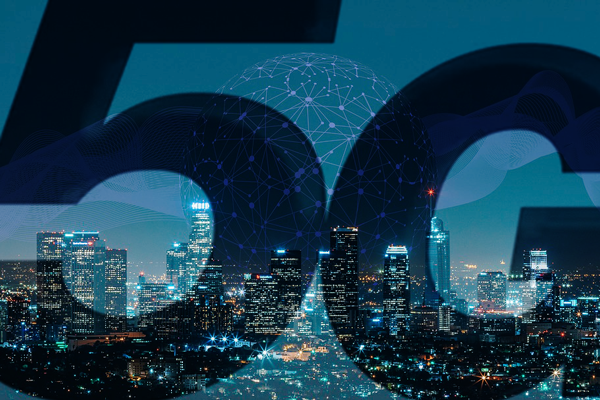
▲ 중국은 2022년 베이징 동계올림픽 개최를 기회요소로 활용해 5G 공략 가속화에 나설 전망이다.
시진핑 주석은 2022년 베이징 동계 올림픽을 앞두고 2019년 하반기에 600달러에 불과한 5G 휴대폰을, 2020년에는 300달러 수준의 5G 휴대폰을 하이실리콘을 통해 보급할 계획이었지만 미중 분쟁으로 인해 불발됐다.
그러나 2022년은 시진핑 주석이 중국양회 10년차를 맞이하는 해로서도 의미를 지니기 때문에 올림픽을 통해 중국의 5G 기술력을 선보이고자 플랜B를 추진할 것으로 예상된다.
중국이 지난 2015년 발표한 ‘중국제조 2025(Made in China 2025)'에 따르면 중국은 집적회로(반도체), 집적회로 설계(반도체 제조 장비), 민간항공 등에서는 취약한 면을 보인 반면 통신, 철도, 태양광 사업 등에서는 강점을 지닌 것으로 나타났다.
이를 토대로 중국은 2014년부터 2049년까지 통신, 철도, 태양광 사업에 시너지효과를 내는 ‘일대일로(One belt, One road)’ 사업을 추진하고 있다. 동서양의 교통로인 현대판 실크로드를 구축해 중국과 주변국가의 경제·무역 합작 확대의 길을 열겠다는 대규모 프로젝트는 그러나 미국의 제재로 제동이 걸렸다.
이에 중국은 반도체 분야에서는 팹리스 설계 기술 확보에 주력한 후 다음 단계를 모색하는 전략을 보였다. 주목할 점은 미국의 공격에도 중국의 메모리 분야는 타격을 입지 않았다는 점이다. 지난 2018년 기준 삼성전자와 SK하이닉스의 메모리 공급량이 높았던 점을 고려하면 오히려 중국에 유리한 입장으로 작용했다는 것이 전문가 견해다. 국내 기업 역시 미국 회사인 마이크론의 공급을 삼성전자와 하이닉스에서 제공할 수 있어 시스템 반도체 파운드리 부문에서 약진할 수 있는 기회요소로 작용했다.
한국은 미중 분쟁에서 반도체 생산을 중단할 이유가 없는 회색지대(중립국) 입장이었기 때문에 생산을 지속했고 이는 결국 중국에 유리한 조건으로 작용했다.
Arm의 화웨이 공격은 비전펀드 때문?
영국회사 Arm의 주주구성을 보면 75%가 소프트뱅크, 25%가 소프트뱅크가 갖고 있는 비전펀드다. 주요 고객은 그래픽칩인 말리까지 모두 사용하는 삼성전자, 화웨이 등과 일부 아키텍처는 제공받지만 자체 그래픽처리 장치 아드레노를 사용하는 애플, 퀄컴 등이다.
비용적 측면만 고려해도 화웨이가 고비용을 지불하고 있을텐데 왜 Arm은 화웨이에 공격자 입장을 취했을까?
소프트뱅크가 보유한 비전펀드의 상황이 좋지 않아 그 돌파구로 화웨이를 공격한 것으로 전문가들은 추정하고 있다. 지난 2018년 10월 발생한 자말 카슈끄지 살해 사건의 여파로 소프트뱅크의 주가는 떨어지기 시작했고 이후 비전펀드의 위워크 역시 주가가 50%급락, 우버는 상장 첫날부터 주가가 하락했다.
그럼에도 비전펀드 2호를 완성해야 하는 소프트뱅크 입장에서는 사우디아라비아와 미국을 타겟으로 삼았다는 것이 김 연구원의 견해다. 미국에는 Verizon, AT&T, Sprint, T-mobile 등 4개의 통신사가 있는데 서로 경쟁이 없기로 유명하다. 여기에 최근 이뤄진 T-mobile의 Sprint 인수합병(sprint의 84% 지분을 소프트뱅크가 보유)은 결국 휴대폰은 물론 인공지능 등 미국 전역의 99%를 5G 기술로 적용해 나가겠다는 의미로 볼 수 있다. 실제로 이러한 조건을 토대로 지난 7월 미국 법무부의 승인을 받았으며 오는 2020년을 시작으로 5G, AI 기술을 적극 활용해 나갈 계획이다.
중동 지역의 경우 사우디아라비아 아람코의 ‘네옴 메가시티 프로젝트(NEOM MEGA CITY PROJECT)’ 덕분에 비전펀드 1호 펀딩에는 성공했지만 현재 비전펀드 2호는 펀딩여부가 불확실한 상황이며 기존 1호마저 위기에 처한 것으로 알려졌다.
반도체 공정기술력 확보가 관건
Intel은 현재 공정 기술의 한계로 7nm 반도체를 양산할 수 있을지조차 불투명한 상황이다. 여기에 Intel의 CPU가 매출위기에 처해 있어 Intel은 가성비를 컨셉으로 마케팅하고 있다.
화웨이는 미국의 제재로 인해 Cortex A 76을 사용하는 반면 삼성전자는 Cortex A 77을 사용하고 있다. 하지만 칩의 속도를 보면 아이러니하게도 화웨이가 삼성전자를 앞선다. 이는 공정기술의 차이로 인해 벌어진 현상으로 삼성의 칩은 8nm인데 반해 화웨이는 7nm 칩을 탑재했다.
자동차 시장에서의 반도체 기술현황 역시 Arm 베이스 경쟁 시 Qualcomm은 모든 차량에 자사 반도체가 탑재돼 있지만 삼성전자는 아우디A4에만 들어가 있다. 공정기술력을 높이는 것이 급선무라는 의미다.
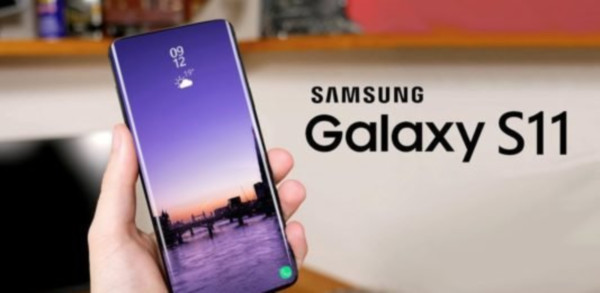
▲ Arm Cortex A77이 적용될 것으로 예상되는 삼성전자의 갤럭시S 11
삼성전자 3GAE로 비메모리 반도체 1위 도약
삼성전자는 지난 5월 개최된 ‘삼성 파운드리 포럼 2019(Samsung Foundry Forum 2019)’를 통해 3GAE(3nm Gate-All Ariund Early) 공정 설계 키트를 배포했다. 선폭이 3nm로 줄어들 경우 4면이 gate인 GAA구조를 선택한 것이다.
이는 최신 기술로 꼽히는 7nm 기반의 칩보다 면적이 45% 감소한 것으로 소비전력은 50% 줄이면서도 성능은 35% 높였다. 삼성전자는 3nm 기반 공정기술을 팹리스 업체와 공유함으로써 향후 더 많은 업체들이 GAA 기반의 MBCFET 기술을 사용할 수 있도록 유도하려는 의지를 담았다.
일반적인 GAA 채널 영역은 가늘고 긴 모양의 나노와이어 형태를 사용하기 때문에 높은 구동 전압을 필요로 하며 많은 전류를 흐르게 하는데 어려움이 있다. 삼성전자는 채널에 나노시트 형태를 사용한 독자적인 멀티 브리지 채널 펫(Multi Bridge Channel FET, MBCFETTM) 기술을 통해 채널을 적층하는 기술을 구현해 구동전압을 50% 낮췄다.
2030년 비메모리 반도체 1위 기업으로 올라서기 위해서는 Foundry와 System LSI의 시장점유율을 높이는 것이 필요하다. 삼성전자는 2020년 5nm 양산을 시작을 2021년 3nm GAE를 양산할 계획이다.
세계 1위 파운드리 업체 TSMC는 2nm 공정에서 나노시트를 구현할 수 없다는 이유로 이를 부정적으로 보고 있으며 나노시트 구조를 사용하기 위해서는 재료개발이 우선돼야 한다고 주장한다.
전문가들은 이에 대해 앞으로 기업 공정기술력을 좌우하는 것은 2nm 공정에서 GAA의 신뢰성과 내구도를 어떻게 확보하느냐에 달려 있다고 조언하고 있다.
최인영 기자
관련뉴스
-
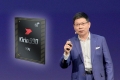
화웨이, 삼성·퀄컴보다 작은 5G 스마트폰 SoC 공개
화웨이가 IFA 2019에서 새로운 기린 SoC로 기린 990과 기린 990 5G를 공개했다. 특히 기린 990 5G는 5G 모뎀을 통합해 크기와 전력 소비를 줄였으며, 5G NSA와 SA를 지원한다. TDD와 FDD( 전체 주파수 대역을 모두 지원하는건 물론, 최고 2.3Gbit/s의 다운링크 속도와 최고 1.25Gbit/s의 업링크 속도를 제공한다. 7나노 EUV 제조 공정으로 제작된 기린 990 5G는 대형 NPU 코어와 소형 NPU 코어로 구성된 다빈치 아키텍처 기반 듀얼 코어 NPU도 탑재됐다.
2019-09-08 오전 8:06:49by 이수민 기자
-
올해 실리콘 웨이퍼 출하량, 전년보다 6.3% 줄어든다
SEMI가 전 세계 실리콘 웨이퍼 전망을 발표했다. 2019년 웨이퍼 출하량은 최고 기록을 세웠던 작년에 비해 6.3% 감소할 전망이다. 2020년부터는 다시 증가세로 돌아갈 것이며, 2022년에는 127억8500만 제곱인치로 신기록을 경신할 것으로 예상된다. 실리콘 웨이퍼는 반도체 제작의 핵심 소재다. 1인치에서 12인치에 이르기까지 다양한 직경으로 생산되며, 기판 소재로 사용되어 그 위에서 대부분의 반도체 장치와 칩을 생산한다.
2019-10-01 오전 9:23:50by 이수민 기자
-
AI 반도체 기술 어디까지 왔나? [전자전 키노트 이슈]
AI 프로세서 시장은 2025년, 911억 8500만 달러, 우리 돈으로 약 109.42조 원에 이를 전망이다. 10월 8일부터 11일까지 나흘간 개최됐던 제50회 한국전자전 2019는 발전한 한국의 전자산업의 현황을 목도하고 조망할 수 있는 기회의 장이었다. 올해 한국전자전 두 번째 기조연설 연사로 나선 삼성전자 심은수 센터장은 ‘지능형 반도체 기술의 발전 전망’을 주제로 AI 기술 확산에 따른 지능형 반도체 기술의 현황을 살펴보고 발전 방향을 전망했다.
2019-10-14 오후 5:01:31by 이수민 기자


많이 본 뉴스

[열린보도원칙] 당 매체는 독자와 취재원 등 뉴스이용자의 권리 보장을 위해 반론이나 정정보도, 추후보도를 요청할 수 있는 창구를 열어두고 있음을 알려드립니다.
고충처리인 장은성 070-4699-5321 , news@e4ds.com