마이크로칩, 'QML Class V' 인증 진행 중인 방사선 내성 FPGA 엔지니어링 실리콘 출하
기사입력 2020.12.03 11:11
우주비행 부품 인증 진행 중인 제품과 같은
FPGA 실리콘, 패키지로 프로토타입 제작 가능
마이크로칩테크놀로지는 3일, 우주비행 부품 신뢰성 표준 인증 절차를 진행 중인 ‘RT(Radiation Tolerance; 방사선 내성) 폴라파이어(PolarFire) FPGA’용 엔지니어링 실리콘 출하를 시작했다고 밝혔다.
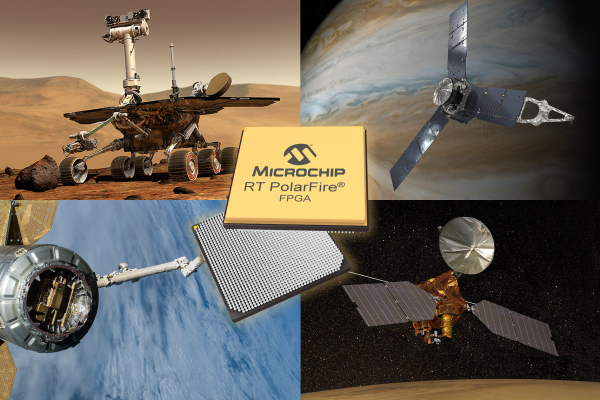
▲ 마이크로칩, RT 폴라파이어 FPGA용
엔지니어링 실리콘 출하 개시 [이미지=마이크로칩]
엔지니어링 실리콘 출하 개시 [이미지=마이크로칩]
엔지니어는 우주 인증을 받은 RT 폴라파이어 FPGA가 고대역폭 위성 탑재용 처리 시스템에 제공하는 것과 같은 전기적/기계적 성능을 갖춘 하드웨어 프로토타입을 제작할 수 있다.
RT 폴라파이어 FPGA ‘RTPF500T’는 로켓 발사를 견디고 우주에서의 까다로운 성능 요구를 충족하도록 설계되었다. 고해상도 수동/능동 이미징, 정밀 원격 과학 측정, 다중/하이퍼 스펙트럼 이미징, 신경망 이용한 물체 감지/인식 등의 애플리케이션에 적합하다.
마이크로칩은 RTPF500T에 대한 MIL-STD-883 Class B 및 QML Class Q·V 인증 획득 절차를 진행 중이다. 특히 QML Class V는 우주산업에서 단일 집적회로를 대상으로 하는 최고 수준의 인증이자 스크리닝 표준이다.
RT 폴라파이어 FPGA는 위성 페이로드가 원시(Raw) 데이터가 아닌 이미 처리된 정보를 전송하고, 제한된 다운링크 대역폭을 최적으로 활용할 수 있도록 지원한다.
현재 사용 가능한 여타 우주산업 인증 FPGA와 비교해 높은 성능, 로직 밀도, SERDES(SERializer-DESerializer) 대역폭을 제공하며, 이전 세대 FPGA 대비 더 높은 시스템 복잡성(System complexity)을 구현하고, SRAM 기반 FPGA 대비 전력 소비가 절반이다.
또한, 지구 궤도를 도는 인공위성 대다수와 여러 심우주 임무 수행 시 일반적으로 발생하는 100킬로래드(kRad) 초과치의 총이온화선량(TID) 노출을 견뎌내며, SONOS 컨피규레이션 스위치를 활용하여 우주 방사선으로 인한 컨피규레이션 업셋 문제를 방지한다.
마이크로칩의 브루스 와이어(Bruce Weyer) FPGA 사업부 부사장은 “이미 많은 고객이 자사의 폴라파이어 FPGA ‘MPF500T’로 위성 시스템 페이로드 개발을 시작했다”라며, “이제 최종 우주비행 인증 RT 폴라파이어 FPGA RTPF500T와 같은 형태, 크기, 기능을 갖춘 실리콘으로 모든 프로토타이핑 작업을 수행할 수 있다”라고 설명했다.
RT 폴라파이어 FPGA 엔지니어링 모델은 랜드 그리드, 솔더볼 및 솔더 칼럼 종료 옵션을 갖춘 밀폐형 세라믹 패키지로 제공된다. 해당 모델은 개발 보드, 마이크로칩 리베로(Libero®) 소프트웨어 툴 스위트 및 방사선 데이터를 지원한다.
강정규 기자
관련뉴스
-
마이크로칩, RISC-V 기반 SoC FPGA 개발 키트 출시
개방형 명령어 집합인 RISC-V를 채택하는 프로세서가 늘어나며 RISC-V 기술과 생태계를 지원하는 저렴하고 표준화된 개발 플랫폼의 수요가 높아지고 있다. 이에 마이크로칩이 RISC-V 기반 폴라파이어 SoC FPGA용 아이시클 개발 키트를 출시했다.
2020-09-18 오전 11:13:10by 이수민 기자
-

자일링스, AI 의료기기 개발용 '딥러닝 모델' 제공
최근 의료 분야에서 환자 자료 수집 및 분석을 빠르게 처리하는 AI 기반 솔루션의 수요가 늘고 있다. 의료진의 피로 누적이 문제가 된 코로나19 팬데믹 시국은 이러한 추세를 가속하고 있다. 원격의료 수요 또한 커지고 있어 에지에서 AI 처리가 가능한 기기도 요구되고 있다. 이에 자일링스가 스플라인.ai와 협업하여 AWS에서 완벽하게 기능하는 의료용 엑스선 분류 딥러닝 모델과 FPGA 기반의 징크 울트라스케일 헬스케어 AI 스타터 키트를 공개했다.
2020-11-17 오후 1:35:13by 이수민 기자
-
인텔, FPGA, ASIC 장점 결합한 "구조화된 eASIC" 공개
인텔이 5G, AI, 에지, 클라우드 등의 워크로드 전반에서 애플리케이션 성능을 가속하는 맞춤형 솔루션인 '인텔 eASIC N5X'를 발표했다. 이는 인텔 FPGA 호환 하드 프로세서 시스템을 내장한 최초의 구조화된 eASIC 제품군이다. 고객은 인텔 eASIC N5X로 고객 맞춤형 로직과 FPGA에 내장된 하드 프로세서를 활용한 디자인을 '구조화된 ASIC'으로 이전할 수 있다.
2020-11-18 오후 4:50:25by 이수민 기자



많이 본 뉴스

[열린보도원칙] 당 매체는 독자와 취재원 등 뉴스이용자의 권리 보장을 위해 반론이나 정정보도, 추후보도를 요청할 수 있는 창구를 열어두고 있음을 알려드립니다.
고충처리인 장은성 070-4699-5321 , news@e4ds.com