[인터뷰] "출력전압 안정성·응답성, DC/DC 효율 좌우"
기사입력 2021.04.08 15:45
안정적인 전원 공급하는 DC/DC 컨버터의 구현,
출력전압의 안정성과 응답성 확인과 조정에 달려
전기적 특성은 물론 주파수 특성에 대해 알아야 해
PCB 위의 디바이스 대부분은 DC(직류)로만 동작한다.
각 디바이스는 고유의 동작전압 범위를 가지고 있으며, 전압 정밀도 요구도 다르다. 전압이 불안정한 전원을 공급하면, 디바이스의 오동작이나 특성 열화 등의 문제가 발생할 수 있다. 이를 방지하기 위해서는 DC/DC 컨버터가 필요하다.
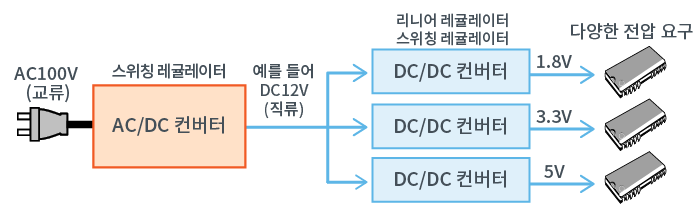
▲ DC/DC 컨버터의 역할 [그림=로옴]
DC/DC 컨버터는 DC를 DC로 변환하는 디바이스로, 작동과 직접적인 연관이 있으므로 전원설계뿐만 아니라 전체 제품설계에도 영향을 미친다. 전원설계 엔지니어는 DC/DC 컨버터의 로드 레귤레이션, 인덕터 전류, 출력전압, 전원 효율 등의 전기적 특성은 물론, 주파주 특성에 대해서도 평가할 줄 알아야 한다.
실제 사용 조건에서 DC/DC 컨버터가 디바이스의 성능과 사양을 만족하는 전원을 안정적으로 공급하기 위해서는, 설계 단계부터 정적 특성은 물론 동적 특성에 관한 평가가 필요하다. 이 과정에서 출력전압의 안정성과 응답성을 확인하고 조정하기 위해서는 DC/DC 컨버터의 주파수 특성에 대한 이해가 필요하다.
지난 2월, DC/DC 컨버터의 전기적 특성을 평가하기 전에 엔지니어가 갖춰야 할 역량에 관한 웨비나를 진행했던 로옴 코리아 테크니컬 센터의 나희원 책임연구원에게 주파수 특성을 평가하기 위해 엔지니어가 갖춰야 하는 역량에 관해 물었다.
Q. 지난 웨비나에 대한 호응이 컸습니다. 오늘날 많은 엔지니어가 DC/DC 컨버터에 주목하는 이유가 무엇이라 생각하십니까?
A. 모든 전자 제품은 DC 전원을 사용하는데, 각 디바이스에서 사용하는 전압과 전류가 다르므로 요구 사양에 맞춘 설계가 필요합니다. 현재 에너지 절감을 위해 효율 개선 방안이 주를 이루는 상황으로, 이에 리니어 레귤레이터보다 효율이 좋은 DC/DC 컨버터(스위칭 레귤레이터)에 주목하고 있는 것 같습니다.
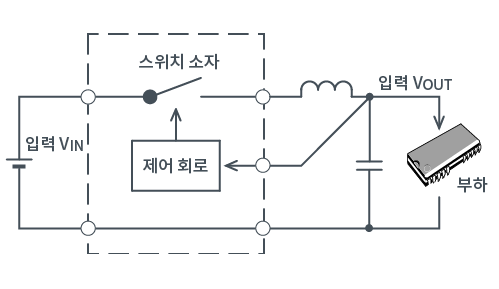
▲ 일반적인 스위칭 레귤레이터 회로도 [그림=로옴]
Q. DC/DC 컨버터에서 주파수는 어떤 의미를 지닙니까?
A. DC/DC 컨버터는 출력전압이 상승하면 전압을 낮추고, 출력전압이 하강하면 전압을 높이는 부귀환(Negative Feedback) 제어를 합니다.
여기서 지연 시간이 발생하는데, 주파수가 빨라지면 위상이 늦어져 정귀환(Positive Feedback)이 되면서 출력이 크게 변동할 수 있습니다. 따라서 출력전압 안정도와 부하 응답 속도를 확인하기 위해 주파수 특성을 확인해야 합니다.
Q. 주파수 특성은 어떻게 무엇을 측정합니까?
A. 주파수 특성 분석기(Frequency Response Analyzer; FRA) 장비로 측정하며, 위상 마진, 게인 마진, 크로스오버 주파수를 측정합니다.
Q. 위상 마진과 게인 마진은 왜 측정하며, 어느 정도 확보해야 합니까?
A. 위상 마진과 게인 마진은 출력전압 안정도를 확인하는 데 필요합니다.
위상 마진의 경우, 게인이 0dB일 때의 위상값으로, 입력 신호와 출력 신호의 진폭이 1배 일 때 위상이 얼마나 차이가 나는지 확인하는 항목입니다. 로옴은 일반적으로 45도 이상, 최소한 30도 이상 확보하는 것을 권장하고 있습니다.
게인 마진의 경우, 위상이 0도일 때, 즉 정귀환 발생 시에 출력 신호가 입력 신호에 대해서 얼마나 감쇠하고 있는지 확인하는 항목입니다. 로옴은 일반적으로 -10dB 이하, 최소한 –6dB 이하를 권장하고 있습니다.
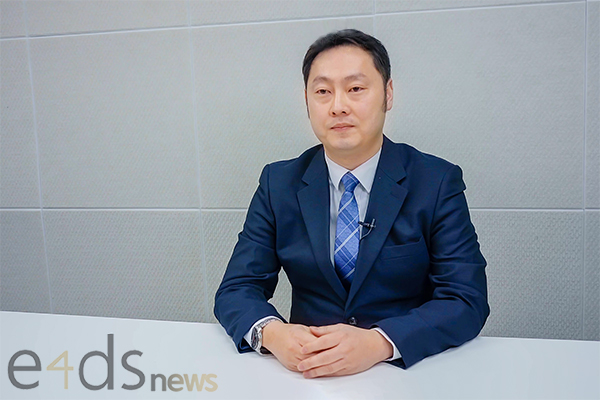
▲ 로옴 테크니컬 센터 나희원 책임연구원 [사진=이수민 기자]
Q. 부하 응답이란 무엇이며, 주파수 특성과 어떤 상관관계가 있습니까?
A. 부하 응답은 부하전류를 급격하게 변화시켰을 경우의 응답 속도입니다.
부하전류가 급격하게 상승하면 출력전압이 순간적으로 하강하며 리셋 오검출의 가능성이 커집니다. 반면 부하전류가 급격하게 하강하면 출력전압이 순간적으로 상승하여 부하 디바이스의 내압을 초과해 파괴될 우려가 있습니다.
출력전압 안정도와 부하 응답은 상충관계로, FRA 장비로 크로스오버 주파수를 측정해 확인 가능합니다. 로옴은 스위칭 주파수의 1/10 이하를 권장하고 있습니다.
Q. DC/DC 컨버터의 주파수 특성을 파악하고, 이에 기반해 주변 회로를 설계하려는 엔지니어를 위해 로옴이 제공하는 지원책은?
A. 로옴은 FRA 장비가 없거나 정수 변경 시에 출력전압 안정도와 부하 응답을 확인하기 위해 주파수 특성 검토가 가능한 ‘로옴 솔루션 시뮬레이터(ROHM Solution Simulator)’ 툴을 제공하고 있습니다.
또한, DC/DC 컨버터는 주파수 특성을 조정하기 위해 피드백 단자나 위상 보상 단자에 저항, 커패시터 등으로 구성된 위상 보상 회로를 배치해야 합니다.
로옴은 자사가 설계하고 제작하는 DC/DC 컨버터 제품의 데이터 시트에 위상 보상 회로에 들어갈 부품의 선정 방법에 대해 기재해 놓았습니다.
이수민 기자
관련뉴스
-
맥심, 보드 공간 줄인 DC-DC 스텝다운 컨버터 2종 선봬
맥심 인터그레이티드가 동기식 인버팅 DC-DC 스텝다운 컨버터, MAX17577과 MAX17578을 출시했다. 신규 컨버터 2종은 레벨 시프팅 회로를 통합해 경쟁 솔루션 대비 부품 비용과 개수를 최대 50% 낮추며, 보드 공간을 72% 줄인다.
2021-03-23 오전 9:21:24by 이수민 기자
-
[인터뷰] "전원 설계의 난맥, 통합 모듈 채택으로 해결"
전자제품 개발/출시 일정이 갈수록 짧아지고 있다. 전원 설계 역시 제한된 시간의 영향으로 시장의 초소형, 고성능, 저전력 설계에 대한 요구에 적절하게 대응하지 못하고 있다. DC-DC 전력 디바이스 주변에서 일반적으로 사용되는 부품들을 포함하는 동시에 크기와 전력 손실을 줄인 통합 전력 모듈을 활용하면, 전원 설계의 간소화가 가능하다.
2021-03-30 오후 6:12:29by 이수민 기자
-

TI, 능동 EMI 필터 탑재한 산업·차량 전원 솔루션 공개
산업용, 차량용 애플리케이션에서 전자 부품 비중이 갈수록 높아지며 전자파 간섭(EMI) 감소가 중요해지고 있다. 텍사스 인스트루먼트의 LM25149-Q1, LM25149 동기형 DC/DC 벅 컨트롤러는 능동 EMI 필터(AEF)와 듀얼 랜덤 분산 스펙트럼(DRSS) 기술을 통합해 외부 EMI 필터가 차지하는 면적을 줄이고, CISPR 25 클래스 5 전체 주파수 대역에 걸쳐 전원 솔루션의 전도 EMI를 낮춘다.
2021-04-08 오후 12:30:34by 이수민 기자
DC/DC 컨버터의 전기적 특성 평가 - 제2편
2021-04-20 10:30~12:00
ROHM / 나희원 책임연구원



.jpg)
많이 본 뉴스

[열린보도원칙] 당 매체는 독자와 취재원 등 뉴스이용자의 권리 보장을 위해 반론이나 정정보도, 추후보도를 요청할 수 있는 창구를 열어두고 있음을 알려드립니다.
고충처리인 장은성 070-4699-5321 , news@e4ds.com