EMC 표준화·기술기준·R&D ‘한자리’
기사입력 2021.11.30 16:37
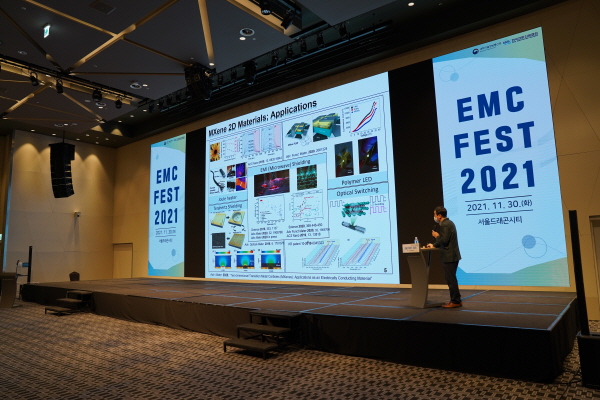
▲‘EMC FEST 2021’ 행사 발표 모습
‘EMC FEST 2021’ 개최, 전자파 기술 교류
주파수 확대·허용기준 추가 등 인증정보 제공
주파수 확대·허용기준 추가 등 인증정보 제공
전자기파 적합성(EMC, Electro Magnetic Compatibility)과 관련해 최근 기준 및 표준화 동향을 공유하고, 관련 R&D 기술을 살펴 볼 수 있는 자리가 마련돼 관련 업계 관계자들의 전자파 기술에 대한 이해도를 높였다.
과학기술정보통신부가 주최하고, 한국전자파진흥협회 전자파기술원이 주관한 ‘EMC FEST 2021’가 30일 서울드래곤시티 그랜드볼룸 한라홀에서 개최됐다.
이번 행사는 전자파 관련 업무 종사자들이 정보를 교류하고, 국내 전자파 소재/부품 제품을 홍보함으로써 관련 산업 활성화를 촉진하기 위해 지난 2007년부터 매년 개최되고 있다.
이 날 발표에서 최형도 ETRI 박사는 ‘안전한 전파환경 조성을 위한 EM-X 연구’를 주제로 △올바른 정보로 생활 속 전자파의 국민적 갈등 및 민원 급증에 따른 안전성을 제공하고 △5G, 자율주행 등 초고주파수 기기 허가·검사, 적합성 평가제도 등 새로운 전파관리 △비정상 전파 교란 대책 등 선제적 대비로 사람과 사물이 공존하는 안전하고 편리한 전자파 이용에 나서야 한다고 밝혔다.
이를 위해 EM-X 기술지원 확대, 산학연 비즈니스 체인 기반 지원 인프라 구축, 신기술 대응 통합 엔지니어 육성, 주요 기반시설 전자파 안전성 대응을 강화해야 한다고 언급했다.
이어 박병권 대림대학교 교수는 전력기기나 전기전자 기기의 성능을 저하시키지 않도록 전자파적합성 레벨을 결정하기 위해 설립된 IEC 산하 기술위원회인 TC 77 위원회의 표준화 동향에 대해 정보를 공유했다.
‘국내 EMC 기준 및 시험방법 개정(안)’과 관련해서는 이일용 국립전파연구원 연구사가 정보를 공유했다.
저압개폐장치 및 제어장치의 방사 내성 주파수 범위를 80㎒∼2㎓에서 80㎒∼2.7㎓로 확대하는 것과 관련해 기술의 발전으로 단순기능의 기기들이 점차 고성능, 다기능화가 이뤄지며 외부 전자파로 인해 성능 저하 및 오동작이 발생할 요인이 많아지고 있고 개정이유를 밝혔다.
30㎒∼1㎓ 대역 3m 방사성 방해 허용기준 추가와 관련해서는 국외 주요국에서 적용하고 있고, 산업체 및 시험기관의 비용 부담 감소와 사전규제 완화 효과를 고려했다며 기존 10m와 신규 3m 허용 기준 중 하나를 선택할 수 있도록 산업체의 선택의 폭을 확대했다고 전했다.
EMC 시험방법 개정사항과 관련해서는 △KS C 9816-1-1 측정장비 △KS C 9816-1-2 전도성 방해 측정용 보조 장비 △KS C 9816-1-2 방해전력 △KS C 9610-6-4 산업환경에서 사용하는 기기의 전자파 방해 표준 △KS C 9814-1 제1부: 방출 △KS C 9814-2 제2부: 내성 등에 대해 주요 개정사항을 설명했다.
이어서 최동근 국립전파연구원 연구사는 ‘전자파 인체보호 관련 고시 현황 및 주요 개정 내용’을 발표했다.
‘항공기 고강도 전자기장 시험방법’과 관련해 이건원 한국산업기술시험원 선임연구원은 무선 주파수 전자파 에너지가 자유 공간으로 방출됨으로써 존재하는 고강도 전자기 환경으로 미사일 오발사, 비행기 추락 등 오작동 사고의 원인이 되므로 △전자식 항공기시스템의 안전성 확보 △항공기 설계에서의 복합소재 사용에 따른 전자기 차폐 능력의 감소 △데이터버스, 통합회로 전자장비 등의 활용 증가로 시스템 민감성 증가 △RF 송신기의 순자와 출력 주파수 증가에 따른 HIRF 환경이 복합해져 SAE ARP 5583 시험 방법이 제정됐다고 밝혔다.
이어 안전한 비행과 착륙을 할 수 있도록 하는 시스템으로 조종사와 승객의 생명에 최우선으로 영향을 끼치는 시스템으로 규정된 Level A를 중점으로 시험 규정을 설명했다.
또한 KTL 항공전자기기술센터의 HIRF 설비에 대해 소개했다.
이어서 △이동균 테미스알앤디 대표 ‘Design Tip of EMI/EMC for 5G△4th Industrial △정성일 박사 ’Shielded Cables Modeling and Transfer Impedance Validation using Triaxial Setup’ △이성훈 아이스펙 주임 ‘Common Mode Choke의 CAN 통신에 미치는 영향 분석’ △김창균 모아소프트 박사 ‘인공지능을 활용한 가상 디지털 트윈 기반 해석 자동화’ △구종민 한국과학기술연구원 박사 ‘2D Materials for Electromagnetic Interference Shielding’ △이문규 서울시립대학교 교수 ‘ICT 메가트랜드와 미래 전파기술’ △박현호 수원대학교 교수 ‘미래 자동차의 전자파 차폐 기술 전망’ 등 최신기술 R&D 연구들이 공유됐다.
전자파기술원 관계자는 “향후에도 전자파 관련 기술정보를 공유하고, 관련 업계 관계자들에게 실질적으로 도움이 될 수 있도록 지원하겠다”고 밝혔다.
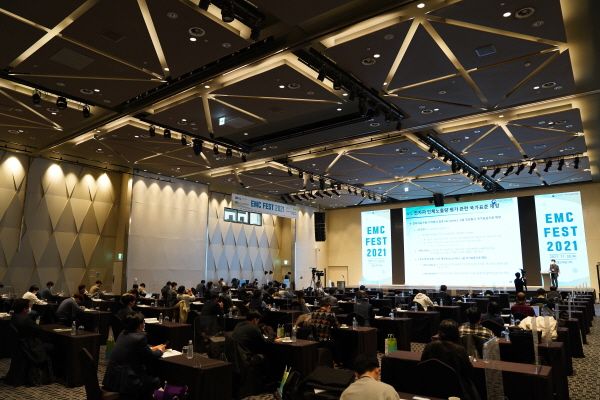
▲‘EMC FEST 2021’ 행사 발표 모습

관련뉴스
-

[인터뷰] "EMC, 설계 초기부터 잡아야 비용 절감 가능"
전자파 노이즈는 제품 개발 초기 단계부터 충분히 검토하고 평가해야 여유로운 노이즈 대책 수립이 가능하다. 이를 위해선 노이즈의 종류와 성질을 이해하고, 각 노이즈와 디바이스에 걸맞은 대책을 효과적으로 사용할 수 있어야 한다. 로옴 코리아 송오용 선임연구원에게 전자파 노이즈 관련 EMI, EMC, 그리고 EMS 문제에 엔지니어가 어떻게 접근해야 하는지 물었다.
2021-08-20 오후 3:45:57by 이수민 기자
-

[인터뷰]김지성 수원과학대학교 전자과 교수-“EMC/EMI 전문가 육성·확보, 국가 산업 핵심”
최근 본지와 인터뷰를 진행한 김지성 수원과학대학교 전자과 교수는 향후 더 복잡해지고, 급증한 EMI 문제를 대비해 경험 많은 전문인력이 필요하다고 밝혔다. 자동차의 전장화, 5G 통신 등 향후 전파 환경은 더욱 복잡해 질 것으로 예상되며, 이에 따른 EMI 인력 확보가 국내 산업발전의 핵심으로 떠오를 전망이다.
2021-09-27 오전 11:03:28by 배종인 기자
-

“DC/DC EMC 성능 향상, PCB레이아웃 최적화 必”
DC/DC의 EMC 성능 향상을 위해서는 PCB 레이아웃의 최적화가 필요하며, 이를 최적화 하는 방안이 e4ds ee웨비나를 통해 공유됐다.
2021-10-07 오전 11:55:47by 배종인 기자


많이 본 뉴스

[열린보도원칙] 당 매체는 독자와 취재원 등 뉴스이용자의 권리 보장을 위해 반론이나 정정보도, 추후보도를 요청할 수 있는 창구를 열어두고 있음을 알려드립니다.
고충처리인 장은성 070-4699-5321 , news@e4ds.com