[김예지의 인사이트] [AI반도체③]엣지 AI 솔루션, 고성능·고효율 실현
기사입력 2022.08.10 12:02
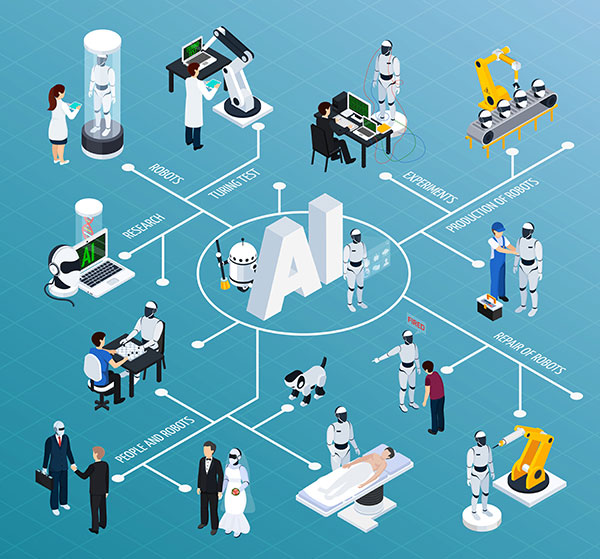
엣지 AI, 디바이스단 AI 연산 실행…저비용·저지연
AI스피커·자율주행차·산업IoT 등 산업 전반 효율 달성
ST '나노엣지 AI 스튜디오', 손쉬운 ML 개발 라이브러리 제공
AI스피커·자율주행차·산업IoT 등 산업 전반 효율 달성
ST '나노엣지 AI 스튜디오', 손쉬운 ML 개발 라이브러리 제공
4차 산업혁명 시대가 도래하며 인간처럼 학습하고 추론하는 인공지능(AI)은 산업계 전반에서 관심을 모으고 있다. AI 기술은 자동차, 금융, 헬스케어, 교육 등 주요 산업에서 광범위하게 적용되고 있다. 최근 정부·기업은 경쟁력 강화를 위해 AI 반도체 개발에 집중하고 있다.
AI 기술은 기기에서 수집한 정보를 중앙 클라우드 서버로 전송해 분석하고, 다시 기기에 보내는 방식으로 진행돼 왔다. 그러나 AI가 주목을 받으며 성장세에 치닫는 이면에 AI의 도입과 활용은 결코 쉽지 않은 문제로 존재하고 있다.
AI 처리에 필요한 고성능 기반의 하드웨어 시스템 구축을 위한 인력 고용 등 고비용이 대부분의 기업에서 큰 과제로 등장했다. 민감한 데이터로 인해 업무를 아웃소싱하기 쉽지 않으며, 전문성이 없다면 양질의 데이터를 확보하기도 어려운 문제도 존재한다.
■ 엣지 AI 개념
이에 ‘엣지 AI’란 개념이 등장했다. ‘엣지 AI’란 디바이스 단계에서의 AI 연산을 뜻한다. 장치에서 생성된 데이터를 기반으로 하는 엣지 컴퓨팅을 사용하여 하드웨어 장치에서 직접 AI 알고리즘을 실행한다.
멀리 떨어진 클라우드 서버를 거치지 않고 기기 자체적으로 정보 수집 및 연산이 가능하기 때문에 비용 절감, 저지연을 통한 빠른 작업 및 실시간 정보 추출, 보안 강화 등 가능하다는 이점이 있다.
AI는 현재의 클라우드 방식 위주에서 점차 자동차, 가전 기기 등 엣지 단에 있는 장치들로 확장되고 있다. 사용자의 식습관, 운동 등 일상생활에서 발생하는 다양한 데이터를 직접적으로 파악해 스마트 기기의 사용자 맞춤형 서비스도 더욱 강화될 것으로 기대된다.
예컨대 엣지 AI가 적용된 스마트 카메라는 딥러닝을 통해 포착된 이미지를 로컬에서 처리해 클라우드 서버에 큰 부하를 줄여준다. 알렉사 등의 엣지 AI가 적용된 스피커는 머신러닝 및 딥러닝 과정을 통해 스마트 스피커에 저장해 로컬해서 작업을 처리한다.
또한 자율주행차는 엣지 AI가 구현된 집합체로, 차체 내에서 데이터를 즉시 처리하므로 자율주행차의 실시간 운용을 실현한다. 스마트팩토리에는 자동화 및 효율성 달성을 위해 엣지 AI를 적용함으로써 로봇 제어, 장비 데이터 수집 및 분석 등 빠른 속도로 데이터를 처리할 수 있다.
■ 엣지 AI 주요 반도체 기업
엣지 AI는 소프트웨어 공급 업체를 중심으로 클라우드 기반 AI가 발전했으나, 최근에는 하드웨어 공급자 중심으로 디바이스에서의 AI가 주목받고 있다.
엔비디아는 엣지 AI 확산에 선두로 나서고 있다. 엔비디아는 자체 엣지 제품군을 판매할 뿐만 아니라 ARM 인수를 통해 ARM이 설계한 다양한 모바일 칩 아키텍처에 자체 GPU 기술을 ‘쿠다(CUDA)’로써 통합했다.
NVIDIA® Jetson Nano ™ 개발자 키트는 초소형·저전력·저비용으로 최신 AI 워크로드를 실행할 수 있는 컴퓨팅 성능을 제공한다.
삼성전자는 딥러닝 알고리즘과 ‘온 디바이스(On-Device) AI’ 연구에 집중하고 있다고 밝힌 바 있다. 올해 초 엑시노스 2200에서 AI 성능을 대폭 강화했다고 밝혔다. 신경망처리장치(NPU) 연산 성능이 전작 대비 두 배 이상 향상돼, 클라우드 서버를 거치지 않고 스마트 기기에서 AI 기능을 구현하는 온-디바이스(On-Device) AI 기능을 강화했다.
인텔은 CPU와 함께 비전프로세서(VPU), 가속기를 엣지 AI를 위한 하드웨어 라인업에 추가했다. 각 계층마다 소프르웨어 툴도 선보였으며, 특히 메인 하드웨어 모비디우스에 오픈비노 등의 기능을 더했다.
텍사스인스트루먼트(TI)는 엣지 AI 프로세싱을 애플리케이션으로 확장하도록 지원하는 ‘Sitara AM62 프로세서’를 선보였다. 이 제품은 엣지 AI에 대한 접근성을 높이고, 동시에 전력 소모량은 감소시켜 듀얼 스크린 디스플레이와 소형 HMI 애플리케이션에 적합하다.
TI는 이 제품을 산업용 애플리케이션 적용 시 전력 소모를 경쟁사 대비 최대 50%까지 줄일 수 있다고 전했다. 특히 휴대용 디바이스 등 소형 디바이스 설계에 적합하다고 덧붙였다.
NXP는 ML 기반 MCX 마이크로컨트롤러(MCU) 포트폴리오를 제공한다. 사용자는 포트폴리오를 통해 엣지에서의 추론을 가속화할 수 있으며, CPU코어보다 최대 30배 빠른 AI 머신러닝 성능을 제공받을 수 있다.
NXP는 MCX 포트폴리오는 유니파이드 소프트웨어 제품군을 통해 소프트웨어 재사용을 극대화하고, 다양한 옵션으로 개발자가 애플리케이션 요구에 적합한 디바이스를 집중하도록 도울 수 있다고 전했다.
인피니언은 e-모빌리티, ADAS, 자동차 E/E 아키텍처, 보급형 AI 애플리케이션을 지원하는 ‘AURIX’ MCU 제품군을 확장했다. TC4x 제품군은 다양한 AI 토폴로지의 요구를 충족하는 SIMD 벡터 DSP(Digital Signal Processor)인 새로운 PPU(Parallel Processing Unit)를 갖추고 있다.
이는 확장 가능한 제품군으로 공통 소프트웨어 아키텍처를 활용하기 때문에 플랫폼 소프트웨어를 절감할 수 있다. 인피니언은 AURIX TC4x의 에코시스템을 집중적으로 지원해 출시 기간 단축과 사용 편의성을 보장하고 있다.
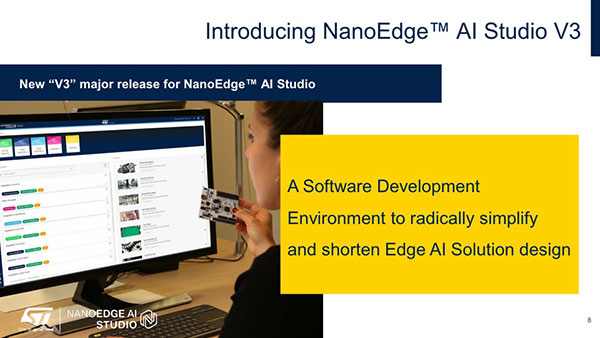
ST마이크로일렉트로닉스(ST)의 나노엣지 AI 스튜디오(NanoEdge AI Studio)는 새로운 머신 러닝(ML) 기술로서, 개발자는 최소한의 데이터로 프로젝트에 가장 적합한 ML 라이브러리를 사용자 친화적 환경에서 생성할 수 있다. 적용 분야로는 커넥티드 기기, 가전기기, 산업 자동화 등이 있다.
나노엣지 AI 스튜디오는 △산업 공정 개선 △유지관리 비용 최적화 △지연시간 및 정보 보안 개선 △보안 강화에 도움을 준다. 모든 STM32 MCU에 직접 구현할 수 있는 머신러닝, 이상 학습, 검출 및 분류, 회귀, 이상치 라이브러리를 간단하게 생성하며, 사용자는 전문지식이 없어도 모든 작업이 가능하다.
최근 ST는 임베디드 지능형 센서 프로세싱 장치(ISPU: Intelligent Sensor Processing Unit)를 내장한 스마트 센서를 지원하기 시작했다. 이 기능은 툴 성능을 확장해 지능형 센서 내부의 이상을 감지하는 AI 모델의 온디바이스(On-Device)를 구현한다.
또한 나노엣지 AI 스튜디오 사용자들은 시스템의 여러 장치로 추론 작업부하를 분산시켜 저전력을 달성할 수 있다. ISPU를 내장한 상시동작(Always-on) 센서는 초저전력으로도 이벤트 감지를 수행하며 센서가 이상을 감지할 때만 MCU를 웨이크업한다.
엣지 AI는 산업 전반에서 고효율 달성을 위한 방안으로써 가지는 의미가 크다. 엣지 AI는 전반의 기준을 향상시켜 사용자와 기업에 다양한 기능을 제공하며 더욱 확장될 것으로 전망된다.

관련뉴스
-
.jpg)
[인터뷰]마테오 마라비타 ST AI 역량센터 센터장-“딥 엣지 AI 데이터 폭발, ST 솔루션으로 해결”
AI 한계를 극복하는 딥 엣지 기술과 머신러닝, AI프로세스에 대해 ST마이크로일렉트로닉스 AI 역량센터 센터장으로 들어보는 자리를 마련했다.
2021-11-19 오후 3:33:47by 배종인 기자
-

[기고]마테오 마라비타 ST 센터장-“딥 엣지, AI 한계 극복·지속 성장”
2030년 25억개의 장치 출하로 급속한 성장이 예상되는 딥 엣지에 대해 마테오 마라비타 ST AI 센터장의 견해를 들어보는 자리를 마련했다.
2021-11-26 오후 2:36:42by 편집부
-
그래프코어, ‘AI 반도체’ IPU 국내 공략 본격화
그래프코어는 지난 6일 한국전자통신연구원 ETRI)와 AI 컴퓨팅 개선 및 새로운 소프트웨어 개발을 위한 파트너십을 체결했다고 밝혔다. 이어 7일에는 미디어 컨퍼런스를 진행해 최신 MLPerf 결과를 발표했다. MLPerf 2.0 벤치마크 테스트에서 ‘보우(Bow) Pod16’는 엔비디아 ‘DGX-A100 640GB’보다 31% 더 빠른 훈련시간을 기록해 업계 최고 성능을 입증했다고 밝혔다.
2022-07-07 오후 4:51:25by 김예지 기자
-
엔비디아, '온라인 젯슨 개발자 밋업' 진행
엔비디아가 개발자들을 위한 ‘엔비디아 젯슨 개발자 밋업’을 오는 7월 14일 온라인으로 무료 진행한다고 밝혔다. 엔비디아는 이번 밋업에서 젯슨 기반 스타트업과 젯슨 플랫폼 전문가들과의 심화 세션 등을 통해 오토노머스 머신과 엣지 AI 애플리케이션의 최신 기술을 선보일 예정이다.
2022-07-13 오전 11:40:39by 권신혁 기자
-

[AI반도체①]韓 AI 반도체 시장 경쟁 본격화
최근 산업계 전반에서 AI 반도체 수요가 급증함에 따라 정부·기업은 경쟁력 강화를 위해 AI 반도체 개발에 박차를 가하고 있다. 尹 정부는 적극적으로 AI 반도체 국가 경쟁력 주도에 나섰고, 엔비디아, 구글, 삼성 등 글로벌 빅테크 기업뿐만 아니라 SKT, KT 등 이통사들도 AI 반도체 개발에 나섰다.
2022-07-21 오후 4:46:39by 김예지 기자
-
SKT, ‘인더스트리얼 AI’ 사업 확대
SK텔레콤과 자동차 부품 제조업체 ‘화신’과 AI 기술로 용접 품질을 관리하는 ‘웰딩(Welding) AI 솔루션’ 상용화 계약을 맺고 인더스트리얼(Industrial) AI 사업을 활성화하겠다고 밝혔다
2022-07-27 오전 9:52:38by 김예지 기자
-
[인터뷰]진용하 ST 차장, "스텔라 MCU 車 ECU 통합 추세 부합"
차량용 MCU 솔루션의 중요성이 점차 커지고 있는 가운데 진용하 ST 차장으로부터 ST마이크로일렉트로닉스의 Automotive 32bit MCU에 대해 들어봤다.
2022-08-01 오후 4:30:21by 권신혁 기자
-

[AI반도체②]일상생활 속 AI 기술 보편화
2016년 알파고의 등장 이후, AI는 다양한 애플리케이션에 적용되며 비즈니스가 확장되고 있다. 기계에게 이미지와 소리를 인식하는 방법을 가르치는 머신러닝, 딥러닝을 통해 영상인식, 음성인식 등 다양한 분야에 적용된 AI는 미래의 최대 성장 동력으로 자리잡고 있다.
2022-08-02 오후 4:47:08by 김예지 기자

.jpg)
많이 본 뉴스

[열린보도원칙] 당 매체는 독자와 취재원 등 뉴스이용자의 권리 보장을 위해 반론이나 정정보도, 추후보도를 요청할 수 있는 창구를 열어두고 있음을 알려드립니다.
고충처리인 장은성 070-4699-5321 , news@e4ds.com