[기획]모빌리티 전환 핵심 ‘반도체’②-미래 車 혁명, 반도체 주도
기사입력 2022.08.22 15:16
[편집자 주]CO2 감축, 전기차, 커넥티비티 등의 등장으로 자동차 산업은 새로운 전환기를 맞고 있다. 전동화를 기반으로 자동차를 운행하기 위한 에너지의 생산에서부터 자동차 운행 및 운영을 위한 반도체 기술이 핵심 요인으로 떠오르고 있다. 전기를 생산, 전송, 저장을 위해서 고효율의 전력반도체가 필요로 하고, 자동차의 제어, 전력 관리, 무선 전송 등을 위해 통신 및 관련 다수의 차량용 반도체 기술이 요구되고 있다. 이에 새로운 모빌리티 환경에 대응하기 위한 반도체 기업들의 발걸음도 빨라지고 있으며, 전기 에너지 사슬 전반에 걸친 반도체 솔루션 제공을 위해 본격적으로 나서고 있다. 이에 본지는 인피니언 테크놀로지스(Infineon Technologies)의 Driving the future of mobility를 바탕으로 새로운 모빌리티 시대에 있어서 반도체 기술에 대해 살펴보는 자리를 마련했다.
■ 전기차 고속 충전, 고효율 전력 반도체 있어 가능
독일의 전기차 충전기 전문기업인 알피트로닉은 최근 50kW DC 전기 자동차 충전기를 출시하며, 두 개의 충전 포트로 한 대의 차량 또는 두 대의 차량을 각각 25kW로 동시에 빠르게 충전이 가능하도록 했다.
이 제품은 인피니언의 1200V CoolSiC MOSFET 기술을 갖춘 EasyPACK™ CoolSiC 모듈을 사용했는데, 충전기의 실장 면적은 1,250x520x220㎣, 무게는 100㎏ 미만의 소형이면서도 최대 97%의 효율을 달성하고 양방향 설계를 가능하게 해 실내 벽에도 충전기 장착이 가능한 장점을 보여줬다.
이렇게 고성능이면서도 콤팩트한 크기의 제품이 출시가 가능했던 이유는 반도체 기술 때문이다.
EasyPACK CoolSiC MOSFET 모듈은 CoolSiC MOSFET, NTC 온도 센서 및 PressFIT 접점 핀을 포함하고 있으며, 전력 밀도를 약 50% 증가시켰다.
전력밀도가 높은 고효율의 전력 반도체가 있기에 전기차 충전을 위한 충전장치의 고속 충전이 가능해진 것이다.
■ 전기차, 고효율 전력 반도체 기술 필연적
이런 고속 충전 기술은 이동성의 가능성을 더욱 풍부하게 만든다.
과거 몇 시간에 걸려 충전하던 전기차의 경우 거리의 제약이 뒤따를 수밖에 없었으나 최근 충전시간의 단축은 장거리 운행을 가능하게 하고, 충전 지역의 제약을 없애주고 있다.
이는 전기차의 확산에 기여한다. 또한 전기차의 확산에는 전력반도체의 기술력 발전이 필연적으로 따라오게 마련이다.
모든 전기 모터에는 견인 인버터라고도 하는 메인 인버터에 의해 제어되는데 인버터는 DC를 엔진에 동력을 공급하는 데 필요한 AC로 변환하고, AC 주파수를 조정해 모터가 회전하는 속도를 변경할 수 있다.
이에 전력손실을 최소화해 인버터 에너지 효율을 높이는 광범위한 모터 제품이 필요하다.
이를 위해 반도체 기업들은 실리콘 카바이드(SiC) 반도체 등 효율성과 함께 비용을 절약할 수 있는 반도체 제품 개발에 적극 나서고 있다.
이와 함께 전비를 향상시키기 위한 배터리 관리 시스템(BMS)은 필수다.
배터리는 정확한 방전, 충전 전류, 전압 프로파일 및 온도 프로파일에 매우 민감하기 때문에 모든 배터리에는 정밀한 모니터링 및 제어 기능이 필요하다. 이를 위해 반도체를 이용한 BMS는 각 셀을 모니터링하고, 균형을 맞출 때 얻은 매개 변수를 사용해 정확한 에너지 소비를 계산하고, 응용분야에 남은 에너지의 양을 예측하도록 기능한다.
■ 자율주행·ADAS, 첨단 반도체가 이끄는 미래
과거 운전자를 보조하던 자율주행 시스템은 이제 운전자의 휴식, 일, 엔터테인먼트 등 완전 다른 차원의 시간을 창조하는 시스템으로 변모하고 있다.
자율주행으로 대변되는 첨단 운행보조장치(ADAS)는 인간 보다 훨씬 빠르게 반응할 수 있으며, 다른 차량 및 인프라와 네트워킹을 통해 잠재적으로 위험한 상황을 훨씬 일찍 감지하고 더 예측 가능한 방식으로 운전할 수 있도록 도와준다.
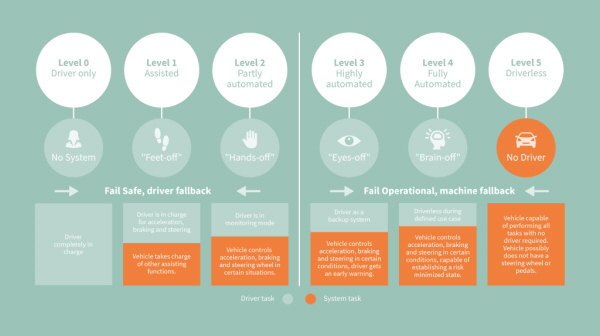
이는 각종 센서와 통신이 가능한 반도체가 있기에 가능하다.
자율주행 차량에는 다양한 센서가 장착돼 있는데 초음파 센서는 주차와 같은 상황에서 장애물을 감지하고, 레이다센서는 먼 거리에서 물체를 감지해 차량 자체의 움직임과 관련해 속도와 위치를 측정한다. 라이다 센서는 보이지 않는 레이저 빛으로 주변을 스캔하고 주변 환경의 고정밀 3D이미지를 생성한다. 카메라는 이미지 패턴으로 알려진 객체의 색상 및 질감과 같은 중요한 시각적 정보를 제공한다. 이러한 각 센서 시스템은 센서 융합을 통해 정밀하고, 완전하며, 신뢰할 수 있는 정보로 재탄생된다.
또한 Wi-Fi, 5G 모바일 네트워크 등 통신 인프라는 차량이 다른 차량 또는 인프라, 교통관제 시스템으로부터 교통 정보를 수신하고, 제어목적으로 사용할 수 있도록 한다.
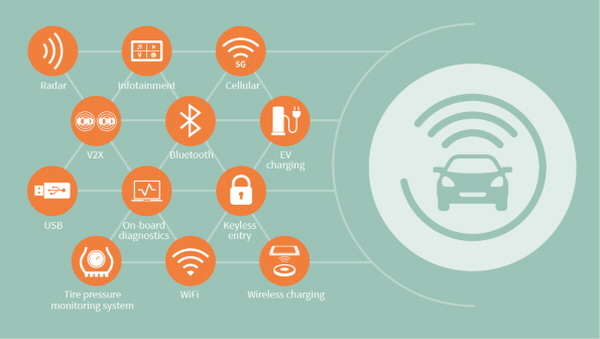
이는 차량의 센서 범위 밖에서도 가능한 것으로 자동차 제조업체는 고대역폭 데이터 및 미디어 콘텐츠를 스트리밍 하는 운전자 및 여객 장치, 전화/태블릿 디스플레이 미러링, 셀룰러 데이터 서비스에 의존하지 않고 이동 중에도 연결을 위한 외부 Wi-Fi 핫스팟 액세스 등 여러 가지 동시 애플리케이션 시나리오를 지원할 수 있다.
■ 반도체, 새로운 운송시대의 핵심 축
전동화, 자율주행, 커넥티비티로 요약되는 미래 자동차의 핵심 요소를 한 마디로 요약하자면 ‘반도체’로 요약할 수 있다.
반도체는 차량 전기화 및 관련 충전 인프라의 핵심이며, 지구를 보호하기 위한 필수요소로 자리매김하고 있다.
또한 차량을 통해 인류의 안전, 편의성, 생산성 향상을 위한 기술 혁신에도 반도체 기술이 절대적이다.
이를 위해 세계의 자동차 반도체 기업들은 모든 유형의 전기차를 위한 광범위한 전력 반도체 및 제어를 위한 센서, 통신용 칩 개발에 적극 나서고 있으며, 자동차 산업 발전을 지원하는데 적극 나서고 있다.

관련뉴스
-
인피니언, 첨단 CoolSiC™ M1H 기술 발표
M1H칩은 피크 요구를 충족해야 하는 애플리케이션과 ESS 시스템 등 다양한 산업용 애플리케이션에 활용돼 높은 견고성과 전력 밀도 등이 고려되는 곳에 선택될 수 있다.
2022-04-21 오후 12:06:57by 권신혁 기자
-
인피니언, 차량용 고해상도 3D 이미지 센서 출시
인피니언이 자사 3D 이미지 센서를 통해 신뢰할 수 있는 보안 얼굴 인증을 통해 결제, 배터리 충전, 개인 데이터 엑세스와 같이 인증이 필요한 모든 유형의 서비스를 지원한다.
2022-06-21 오후 4:44:43by 성유창 기자
-

[인터뷰]김현정 인피니언 매니저-“회전 속도·각도 검출 앵글 센서 필요성 ↑”
글로벌 반도체 솔루션 기업인 인피니언 테크놀로지스 코리아의 김현정 매니저를 만나 자동차 부품의 트렌드, 자기 앵글 센서 및 자기 회로에 대한 이야기를 들어보는 자리를 마련했다.
2022-07-18 오전 10:08:25by 성유창 기자
-

[기획]모빌리티 전환 핵심 ‘반도체’①-반도체, 모빌리티 전기화·탈탄소화 ‘핵심’
기후 변화, 갈수록 엄격해지는 CO2 규제, 인구 변화, 소비자들의 요구 변화 등으로 모빌리티 에코 시스템이 근본적인 변화를 맞이하고 있다.
2022-08-16 오전 11:19:37by 성유창 기자

.jpg)
많이 본 뉴스

[열린보도원칙] 당 매체는 독자와 취재원 등 뉴스이용자의 권리 보장을 위해 반론이나 정정보도, 추후보도를 요청할 수 있는 창구를 열어두고 있음을 알려드립니다.
고충처리인 장은성 070-4699-5321 , news@e4ds.com