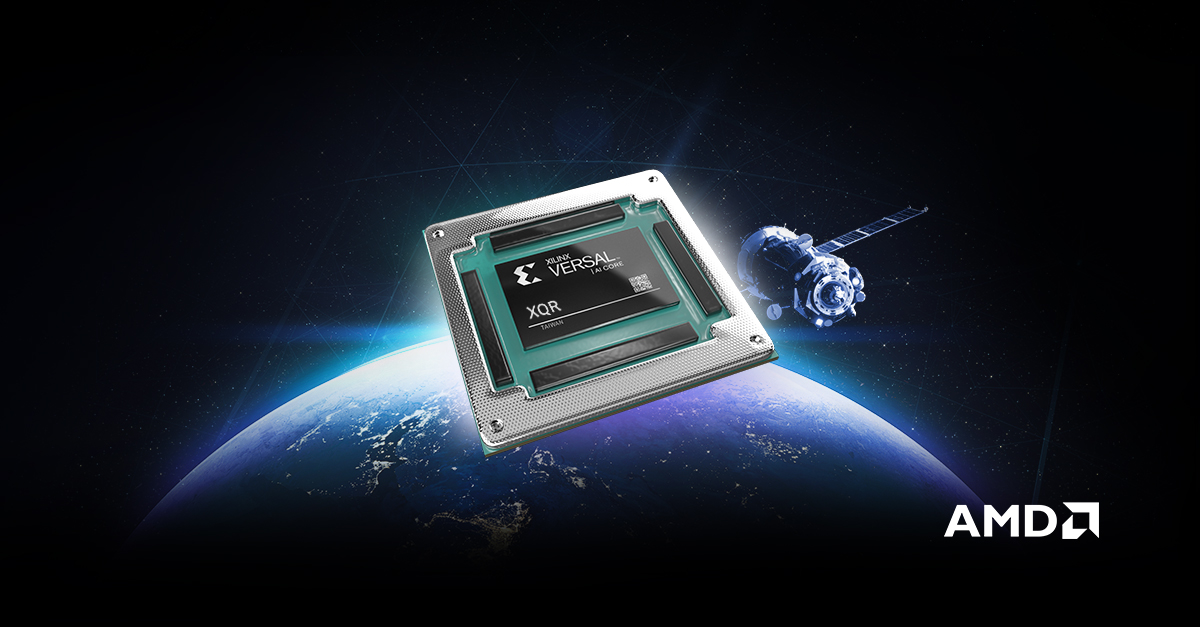
▲XQR 버설 AI 코어 XQRVC1902(Versal AI Core XQRVC1902) 디바이스 (이미지-AMD)
자사 최초 우주 등급 버설 어댑티브 SoC 클래스 B 인증
민간 우주 항공의 발전과 함께 저궤도 위성, 스타링크 등의 상용화가 대두되면서 우주 등급 인증을 획득하는 반도체 신제품 출시가 활발해지고 있다. 가혹한 우주 환경에서도 작동할 수 있는 내구성과 재프로그래밍이 가능한 유연성을 탑재한 AI 연산용 SoC가 개발돼 온보드 데이터 프로세싱 및 AI추론 처리를 지원해 우주 산업 발전에 기여할 전망이다.
AMD가 우주 등급 버설(Versal™) 어댑티브 SoC에 대한 클래스 B 인증을 완료했다고 최근 밝혔다. 자사 최초의 우주 등급 인증으로 XQR 버설 AI 코어 XQRVC1902(Versal AI Core XQRVC1902) 디바이스는 위성 및 우주 애플리케이션을 위한 완벽한 방사선 내성과 AI 추론 가속 및 고대역폭 신호 프로세싱 성능을 제공한다.
지금까지 고도의 AI연산을 필요로 하는 애플리케이션은 대부분의 우주 프로그램에서 상당한 비용을 차지하는 커스텀 설계 방식의 ASIC을 통해서만 실행 가능했다. 이러한 ASIC 과 달리, XQR 버설 어댑티브 SoC(XQR Versal Adaptive SoC)는 개발 단계부터 배치 완료 후 시점은 물론, 가혹한 우주 방사선에 노출되는 운항 상태에서도 재프로그래밍이 가능한 것이 특징이다.
이를 통해 위성 운영사들은 위성 발사 후에도 프로세싱 알고리즘을 변경할 수 있으며, 원격 감지 및 통신 애플리케이션에 있어 기존에 불가능했던 유연성을 확보할 수 있다. 또한 XQR 버설 디바이스는 AMD 및 독립 기관에 의한 테스트를 통해 저궤도 및 지구동기궤도(GEO: Geosynchronous Earth Orbit), 그리고 그 이상까지 임무를 지원할 수 있는 내방사선 능력을 검증받았다.
XQR 버설 AI 코어 어댑티브 SoC는 이기종 컴퓨팅 플랫폼을 기반으로 고급 신호 처리 및 AI 추론 기능을 제공한다. 이는 NoC(Network-on-Chip)로 연결된 듀얼 코어 Arm® Cortex-A72 및 듀얼 코어 Arm Cortex-R5 임베디드 프로세서와 400개의 AI/ML 컴퓨팅 엔진, 약 90만개의 로직 셀 및 191Mbit의 메모리를 갖추고 있으며, 7nm CMOS 공정 기술을 기반으로 한다.
개발자들은 AMD 자일링스(AMD Xilinx)의 비바도(Vivado™) 툴 수트 및 바이티스 AI(Vitis™ AI) 소프트웨어 플랫폼 등의 다양한 개발 툴과 RTL, C, C++, 매트랩(Matlab), 카페(Caffe), 텐서플로우(TensorFlow), 파이토치(PyTorch) 등과 같은 업계 표준 프레임워크를 이용해 XQR 버설 디바이스를 설계할 수 있다.
AMD의 항공우주 및 방위산업 버티컬 시장 부문 수석 디렉터인 미날 사완트(Minal Sawant)는 “클래스 B 인증 획득으로 우주 애플리케이션에 첨단 프로그래머블 솔루션을 도입할 수 있는 중요한 이정표를 마련했다”며, “우리는 버설 어댑티브 SoC의 클래스 B 인증 일정을 단축하는 데 주력하는 동시에, 우주에서 사용 가능한 장치의 품질 등급 테스트 및 분석 절차를 철저하게 수행했다. 새로운 버설 디바이스를 고객에게 공급할 수 있게 되어 기쁘다”고 말했다.
AMD의 클래스 B 인증 및 제조 테스트 절차는 모놀리식 집적회로의 인증 및 테스트를 위한 미국 국방부 MIL-PRF-38535 클래스 B 사양을 기반으로 하며, AMD가 XQR 버설 우주 등급 제품의 유기 패키지 특성에 적합하게 일부 조정되었다.
레이시온 인텔리전스 앤 스페이스(Raytheon Intelligence and Space)의 우주 시스템 수석 디렉터인 배리 리우(Barry Liu)는 “레이시온은 다양한 방사선 환경에서 높은 성능 및 품질 수준을 제공하는 XQR 버설 어댑티브 SoC를 기반으로 차세대 우주용 프로세서를 구현했다”며, “이기종 컴퓨팅 기능과 재구성 가능한 로직 패브릭을 통해 훨씬 더 작은 공간에 더욱 뛰어난 온보드 프로세싱을 통합할 수 있으며, 이를 통해 시스템 전반의 크기와 무게, 전력(SWaP) 측면에서 획기적인 발전을 이룰 수 있었다”고 밝혔다.
한편, 미국 군용 규격인 MIL-PRF-38535 클래스 B 인증을 획득한 이 장비는 2023년 초 출하될 것으로 전해졌다.