[기획]인더스트리 5.0 시대의 커넥티비티 솔루션-5차 산업혁명, 인간·기기 연결성 극대화
기사입력 2022.12.08 16:29
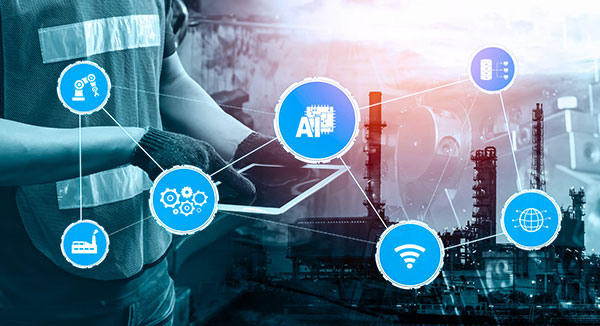
5차 산업혁명, 인간·기기 연결성 극대화
NXP·인피니언·TI·ST, 통합 커넥티비티 솔루션 제공
단거리 비접촉식 ‘ST60’, 최대 6.25Gbps 전송 속도
단거리 비접촉식 ‘ST60’, 최대 6.25Gbps 전송 속도
[편집자주] 4차 산업혁명으로 산업 전반에 첨단 기술이 융합되며 연결의 시대가 열렸다. 초연결, 초융합, 초지능을 특징으로 하는 4차 산업혁명 이후, 최근에는 유럽연합을 중심으로 인간 중심, 지속가능성, 탄력성의 개념을 필두로 하는 5차 산업혁명의 개념이 발화됐다. 이는 인간과 기계(로봇)가 협력하는 시대로, 연결된 세상의 상호작용이 중요해짐에 따라 스마트홈, 전자기기, 자동차 등을 위한 커넥티비티(connectivity)가 중요한 요소가 될 것으로 전망된다. 연결성을 뜻하는 커넥티비티는 무선 네크워크를 통해 경험 가능한 다양한 기능과 서비스를 의미한다. 필자는 다양한 기술의 통합으로 이뤄낸 주요 반도체 기업들의 커넥티비티 솔루션을 살펴봤다.
기존 산업과 정보통신기술(ICT)의 융합으로 이루어지는 차세대 산업 혁명인 인더스트리 4.0에 이어 유럽연합을 중심으로 인더스트리 5.0에 대한 담론이 활발하다.
인더스트리 4.0의 주요 개념이 초연결, 초융합, 초지능이었다면 인더스트리 5.0의 핵심 요소는 인간 중심, 지속가능성, 탄력성으로, 이는 인더스트리 4.0의 문제들을 해결하기 위해 기존 개념을 확장한 것이라고도 볼 수 있다.
특히, 코로나19로 전 세계 시장의 변동성이 심화됨에 따라 인더스트리 5.0의 주요 개념은 새로운 시대에 대응하는 데 보다 효과적인 방안을 마련해 줄 수 있다.
이 새로운 패러다임에서 인간은 기계와 대립의 위치가 아닌 협업 관계를 맺고 새로운 방식으로 현장에 서 일하게 된다. 차세대 IoT 커넥티드 기기와 혁신적 애플리케이션을 구현하는 핵심이 바로 여기에 있다. 이미 인더스트리 4.0에 따른 기기 사용의 확산과 데이터양의 급격한 증가로 커넥티비티 환경은 급속하게 변하고 있고, 이로 인한 기술 요건도 점차 복잡해지고 있다. 인간, 기계, 연결된 세상의 상호작용이 중요해지는 인더스트리 5.0에서 커넥티비티는 더 중요한 요소가 된다.
이에 주요 반도체 기업들은 오랜 기술 전문성을 바탕으로 다양한 기술의 통합을 통해 원활하고 광범위하며 신뢰할 수 있는 커넥티비티를 지원하는 솔루션을 선보이고 있다.
■ NXP ‘트리멘션’ UWB 레이더, 초미세 동작 감지
NXP는 트리멘션(Trimension) 포트폴리오에 초광대역(UWB) 레이더와 정밀거리측정(Fine Ranging) 기능을 결합한 업계 최초 단일 칩 솔루션을 추가했다.
UWB 레이더는 다양한 상황에서 안전성 및 편의성을 제공한다. 특히 ‘초미세 동작 감지’ 기능은 스마트홈 및 자동차에 탑재되는데, 자동차에서 어린이가 뒷좌석에 남겨지면 안전 경고를 보냄으로써 아동 방치를 예방할 수 있다.
IoT, 모바일, 차량 개발자들이 해당 기능을 빠르게 통합할 수 있도록, 확장된 포트폴리오에는 IoT 애플리케이션용 트리멘션 SR160 및 모바일·차량 애플리케이션용 향후 출시 예정 트리멘션 디바이스가 포함돼 있다.
■ 인피니언 ‘Wi-Fi 6’, 홈 네트워크 혼잡성↓
인피니언의 Wi-Fi 6 제품군은 무선 커넥티비티 요구를 충족하며 홈 네트워크의 혼잡성을 줄여준다.
Wi-Fi 6는 최신 세대 Wi-Fi 규격이다. 코로나 팬데믹 이후, 집안 활동이 늘어나면서 VR기기, OTT 수요가 증가한 가운데, Wi-Fi 6는 홈 네트워크 혼잡을 완화하면서 네트워크 효율, 디바이스 배터리 수명, 지연시간, 범위도 개선할 수 있다.
인피니언은 Wi-Fi 6/6E와 Bluetooth 5.2 콤보 제품을 출시하면서 보안 AIROC 고성능 무선 커넥티비티 제품군을 확장했다. AIROC Wi-Fi 6/6E 콤보 솔루션은 2.4GHz, 5GHz와 새로운 그린필드 6GHz 스펙트럼으로 동작하며, 게임 콘솔, AR/VR, 스마트 스피커, 미디어 스트리밍 디바이스, 자동차 인포테인먼트 같은 고품질 비디오·오디오 스트리밍 애플리케이션에 적합하다.
■ TI, 사물인터넷(IoT) 애플리케이션 ‘매터’ 도입 간소화
TI(텍사스 인스트루먼트)는 와이파이와 스레드(Thread) 심플링크(SimpleLink) 무선 마이크로컨트롤러(MCU)에 매터를 지원하는 소프트웨어 개발 키트를 제공해, 사물 인터넷(IoT) 애플리케이션의 매터(Matter) 도입을 간소화하도록 지원한다.
‘매터’는 커넥티비티 오픈소스 프로토콜로서, 검증된 기술을 바탕으로 단일화된 애플리케이션 층을 제공한다. 이 무선 MCU를 사용해 초저전력 배터리 구동 스마트홈 및 산업 자동화 IoT 애플리케이션을 설계할 수 있을 것으로 보인다. 특히 새로운 IoT 애플리케이션용 무선 MCU는 상호운용 가능한 매터 디바이스들과 원활한 연결을 돕는다.
TI는 심플링크 무선 MCU는 스레드 애플리케이션에서 동급 디바이스 대비 대기 전력 소모를 최대 70%까지 낮추고 5초의 짧은 폴링(polling) 시간으로 배터리 수명을 최대 4년까지 연장해줄 수 있다고 전했다. 원거리 커넥티비티 애플리케이션의 경우, 무선 MCU의 고효율 통합 전력 증폭기는 업계에서 가장 낮은 전력 소비량인 +20 dBm에서 101mA을 사용하기 때문에 보다 높은 출력 전력에서 배터리 전력 소비를 줄여 안정적 연결이 가능하다.
■ STM, ‘ST60’, 물리적 커넥터 없이 단거리 통신 지원
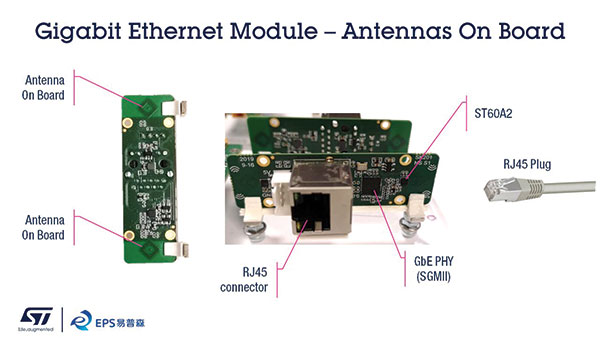
▲참고자료, Gigabit Ethernet Module (제공=ST마이크로일렉트로닉스)
밀리미터파는 파장이 짧아 직진성이 강해 전송거리가 짧지만 데이터 전송 속도가 빠르다는 특성을 가진다. 60GHz RF 밀리미터파 대역 사용으로 멀티 기가비트 데이터 속도가 구현되며, 단거리 비접촉 커넥티비티의 새로운 시대가 열렸다.
ST의 60GHz 대역용 ‘ST60 RF 트랜시버’는 높은 데이터 속도로 초저전력 무선 링크를 제공한다. 물리적 케이블 및 커넥터 없이 단거리(몇 센티미터) 통신을 지원하며, 전력 소모가 적고, 최대 6.25Gbps의 전송 속도로 동급 최고의 무선 성능을 제공한다.
최적의 부품원가(BOM)를 실현해 △개인용 전자 제품 △산업용 애플리케이션 △컴퓨터 및 주변 장치 등 다양한 애플리케이션에 적합하다.
'ST60'을 활용하면 열악한 산업 환경 조건에서 장비의 값비싼 강화 커넥터 교체를 지원할 수 있다. 비접촉식 연결로 물리적 또는 전기적 절연을 보장하는 연결이 가능하다. 또한 휴대폰 등 개인용 전자 장치 간 '탭 및 동기화(Tap & Sync)' 기능을 지원하며, 대용량 멀티미디어 콘텐츠도 빠르고 원활하게 교환할 수 있다.
이외에 디스플레이를 고객이 쉽게 조립할 수 있는 비접촉 연결 디스플레이 타일 및 캐비닛으로 대체 가능하다. 360° 회전 비디오 감시 카메라나 질병 확산을 줄여주는 비접촉식 의료 장비에서도 사용이 가능하다.

관련뉴스
-
.jpg)
ST, 스마트 계량 애플리케이션 커넥티비티 확장
다양한 전자 애플리케이션과 고객들을 지원하는 세계적인 반도체 회사인 ST마이크로일렉트로닉스(STMicroelectronics, 이하 ST)가 스마트 계량 애플리케이션 커넥티비티를 확장했다.
2021-12-06 오후 2:45:31by 강정규 기자
-

[인터뷰]최경화 ST 이사, “디스커버리 데이 STM32 MCU 총망라”
'STM32 디스커버리 데이' 온라인 행사를 앞두고 ST마이크로일렉트로닉스 최경화 이사와 만나 AI·커넥티비티·그래픽UI 솔루션 등 이번 행사에 소개되는 내용에 대해 이야기를 나누는 자리를 마련했다.
2022-06-13 오후 2:08:48by 권신혁 기자
-
ST, 다중 커넥티비티 평가 플랫폼 출시
ST마이크로일렉트로닉스(STMicroelectronics, 이하 ST)가 STEVAL-ASTRA1B 다중 커넥티비티 평가 플랫폼을 출시해 자산추적 시스템의 개념증명을 완전 구현하는 완벽한 에코시스템을 제공한다. 이 평가 키트는 소형 폼팩터에 배터리로 구동되며, 가축 모니터링, 선단 관리, 물류와 같은 애플리케이션의 개발을 간소화하는 펌웨어도 포함돼 있다.
2022-08-11 오전 11:31:40by 권신혁 기자
-

[기획]모빌리티 전환 핵심 ‘반도체’②-미래 車 혁명, 반도체 주도
전동화, 자율주행, 커넥티비티로 요약되는 미래 자동차의 핵심 요소인 ‘반도체’가 미래 모빌리티 전환을 주도하고 있다.
2022-08-22 오후 3:16:17by 배종인 기자

많이 본 뉴스

[열린보도원칙] 당 매체는 독자와 취재원 등 뉴스이용자의 권리 보장을 위해 반론이나 정정보도, 추후보도를 요청할 수 있는 창구를 열어두고 있음을 알려드립니다.
고충처리인 장은성 070-4699-5321 , news@e4ds.com