[성유창의 그랑프리] [세미콘 코리아 2023]여문원 미코세라믹스 대표-“리비전 시간 단축 세계 2위 발판”
기사입력 2023.02.06 11:20
“리비전 시간 단축 세계 2위 발판”
세라믹 ESC, 세라믹 히터 이은 라이징 스타
2023년 연구개발 및 생산·품질 고도화 목표
2023년 연구개발 및 생산·품질 고도화 목표
[편집자주] 미코세라믹스는 대부분 수입에 의존하던 반도체 장비용 세라믹 소재 부품들의 국산화에 성공하며 국내 반도체 장비 시장 성장에 크게 기여한 기업이다. 20여년의 연구개발로 고기능성 제품인 세라믹 히터, ESC 등 세라믹 부품 분야에서 글로벌 경쟁력을 갖추고 빠른 피드백으로 고객들과의 신뢰도 두텁게 쌓고 있다. 이처럼 증착, 식각 등 반도체 생산 분야에서 두각을 나타내고 있는 미코세라믹스의 여문원 대표의 이야기를 들어보았다.
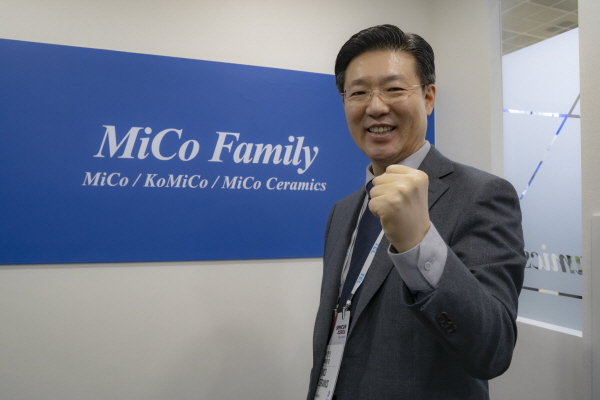
▲여문원 미코세라믹스 대표
■ 미코세라믹스에 대한 소개를 부탁드린다
미코세라믹스는 세라믹 기술을 이용해서 반도체 제조 장비에 들어가는 핵심 세라믹 부품을 만드는 회사다. 저희 제품은 대표적으로 세라믹 히터라는 제품이 있다. 이 제품은 반도체 증착 장비에 들어가는 핵심 부품이다. 온도를 450도 550도 또는 650도 이상 올려 공정이 잘 진행되도록 증착 공정이 잘 진행되도록 도와주는 핵심 제품이다.
그 다음으로 식각 장비에 들어가는 세라믹 ESC라는 제품이 있다. 이 제품은 식각장비 내 챔버에서 정전기력으로 웨이퍼를 고정시켜 주는 역할을 하는 핵심 부품이다.
챔버에 여러 가지 세라믹 부품들이 많이 사용된다. AlN, Y2O3, Al2O3 등의 첨단 세라믹 소재를 이용하여 제작한 제품들이 많이 사용이 되는데, 그런 제품들도 설계하고 제조하고 있다.
■ 미코세라믹스는 일본 회사가 90% 이상 점유하던 반도체 증착 장비의 핵심 부품인 세라믹 히터를 국내 최초로 개발했다. 이 제품을 개발한지 10여년만에 세계 시장 2위로 올라섰는데, 세라믹 히터가 어떤 제품이고 미코세라믹스의 제품이 어떻게 세계 시장에서 두각을 나타나게 됐는지 궁금하다
세라믹 플레이트 위에 웨이퍼가 올라가서 온도를 450℃, 550℃, 650℃. 최신 공정들은 온도가 점점 올라가는 추세다.
지금 반도체, 예를 들면 플래시 메모리 같은 경우에 최신 플래시 메모리가 238단으로 많은 층들이 올라가게 된다. 2030년 되면 그게 1,000단 이상 올라간다고 한다. 그렇게 막을 계속 올리려면 얇은 막들이 계속 올라가야 된다.
그런 막들을 올리는데 핵심적으로 이 히터가 공정을 진행하는데 핵심 부품이 된다. 일본 회사들이 정말 수십 년 동안 세계 시장을 독과점하고 있는 시장에 미코세라믹스가 후발 주자로서 들어간 지가 벌써 20년이 넘는다.
단기간에 이루어진 것은 아니다. 20년 동안 꾸준히 연구개발, 시행착오와 고객과의 공동 개발 이런 것들을 통해서 이제 진행을 해왔다. 특히 2019년도 7월달에 일본의 수출 규제 반도체 핵심 소유자 부품들이 수출 규제가 일어났을 때 정부에서 심각성을 인지하고 관련 소부장업체에 적극적인 지원도 있었다. 그런 지원도 굉장히 큰 도움이 됐다고 생각한다.
어떤 신규 제품을 개발할 때 새로 설계를 해서 시제품을 전달하는데 일본 회사 같은 경우는 한 6개월 이상 걸린다고 한다. 미코세라믹스는 그것을 한 달 안에 고객한테 피드백을 주는 시스템을 적용을 했다.
하나의 제품이 설계가 되고 테스트가 돼서 장비에서 제품으로 활용되려면 리비전이 적게는 열 몇 번 많게는 스무 번 이상의 리비전이 일어나야 된다. 리비전 할 때마다 6개월, 1년 이렇게 기다리면 너무 시간이 오래 걸린다. 그래서 미코세라믹스는 그 시간을 최대한 단축시켜서 고객으로 하여금 결과를 빨리 보고 보완할 부분을 빨리 보완할 수 있도록 하는 그런 적극적인 지원 정책을 폈기 때문에 2등을 할 수 있었다고 생각힌다.
■ 세라믹 히터 외로 미코세라믹스의 제품에 대한 소개를 부탁드린다
세라믹 히터 외에는 아까 말씀드린 세라믹 ESC(정전척)이 있다.
정전척 같은 경우 말씀드린 여러 막질로 올라간 막들에 굉장히 좁고 깊은 홀을 뚫어야 된다.
식각 공정이 진행이 돼야 하는데 막질이 굉장히 높은 상태에서 좁고 깊은 홀을 뚫으려 하면 굉장히 특별한 ESC가 필요하다.
ESC도 굉장히 종류가 많은데 저희들이 지금 포커스 하는 ESC는 식각을 굉장히 좁고 깊게 홀을 뚫을 수 있는 옥사이드 에칭 공정용 ESC에 집중하고 있다.
그 제품이 제일 만들기 어렵고 공정 조건도 굉장히 혹독한(harsh) 공정 조건에 사용되기 때문에 난도도 굉장히 어려울뿐더러 전세계에서 만들 수 있는 회사가 극히 드문 그런 제품이다.
미코세라믹스는 최근 3, 4년 동안 이 제품에 대한 연구개발을 집중적으로 진행을 했고 최근 고객사에서 굉장히 좋은 결과를 만들어내고 있다.
그래서 지금 현재는 메이저 비즈니스가 이제 세라믹 히터지만 세라믹 ESC가 향후에 라이징 스타로서 주요 매출원이 될 수 있을 것으로 기대하고 있다.
■ 올해 반도체 경기 전망과 미코세라믹스의 경영 전략은 어떤지 궁금하다
반도체 전망이 굉장히 어렵다는 것은 뉴스에서 나왔듯이 심각한 상황인 것 같다.
고객사인 이제 장비회사부터 칩 메이커까지 전반적으로 지금 수요 부족으로 인한 굉장히 어려움을 겪고 있다고 느끼고 있다.
미코세라믹스도 영향을 받지 않을 수는 없다.
미코세라믹스는 지금 상황에서 차세대 제품을 적기에 개발하고 향후에 이런 제품들이 본격적으로 매출로 연결될 수 있게 하기 위해서 연구개발과 생산, 품질 효율화 및 고도화를 통해 미래를 준비하는 시기로 삼으려고 하고 있다.
■ e4ds news 독자에게 한 말씀 부탁드린다
전자 IT 분야에서 선도적으로 진행하시는 e4ds 독자 여러분. 저희 미코세라믹스는 반도체 부품에 대한 국산화를 열심히 진행을 하고 있습니다.
많은 관심과 지원 부탁드리고 이 뉴스를 보시는 많은 대학생 분들, 학계에 계신 분들, 산업계에 계신 분들 우리 미코세라믹스를 적극적으로 지원해서 같이 국산화의 1등 회사로 클 수 있도록 지원을 부탁드리겠습니다.
감사합니다.
미코세라믹스는 세라믹 기술을 이용해서 반도체 제조 장비에 들어가는 핵심 세라믹 부품을 만드는 회사다. 저희 제품은 대표적으로 세라믹 히터라는 제품이 있다. 이 제품은 반도체 증착 장비에 들어가는 핵심 부품이다. 온도를 450도 550도 또는 650도 이상 올려 공정이 잘 진행되도록 증착 공정이 잘 진행되도록 도와주는 핵심 제품이다.
그 다음으로 식각 장비에 들어가는 세라믹 ESC라는 제품이 있다. 이 제품은 식각장비 내 챔버에서 정전기력으로 웨이퍼를 고정시켜 주는 역할을 하는 핵심 부품이다.
챔버에 여러 가지 세라믹 부품들이 많이 사용된다. AlN, Y2O3, Al2O3 등의 첨단 세라믹 소재를 이용하여 제작한 제품들이 많이 사용이 되는데, 그런 제품들도 설계하고 제조하고 있다.
■ 미코세라믹스는 일본 회사가 90% 이상 점유하던 반도체 증착 장비의 핵심 부품인 세라믹 히터를 국내 최초로 개발했다. 이 제품을 개발한지 10여년만에 세계 시장 2위로 올라섰는데, 세라믹 히터가 어떤 제품이고 미코세라믹스의 제품이 어떻게 세계 시장에서 두각을 나타나게 됐는지 궁금하다
세라믹 플레이트 위에 웨이퍼가 올라가서 온도를 450℃, 550℃, 650℃. 최신 공정들은 온도가 점점 올라가는 추세다.
지금 반도체, 예를 들면 플래시 메모리 같은 경우에 최신 플래시 메모리가 238단으로 많은 층들이 올라가게 된다. 2030년 되면 그게 1,000단 이상 올라간다고 한다. 그렇게 막을 계속 올리려면 얇은 막들이 계속 올라가야 된다.
그런 막들을 올리는데 핵심적으로 이 히터가 공정을 진행하는데 핵심 부품이 된다. 일본 회사들이 정말 수십 년 동안 세계 시장을 독과점하고 있는 시장에 미코세라믹스가 후발 주자로서 들어간 지가 벌써 20년이 넘는다.
단기간에 이루어진 것은 아니다. 20년 동안 꾸준히 연구개발, 시행착오와 고객과의 공동 개발 이런 것들을 통해서 이제 진행을 해왔다. 특히 2019년도 7월달에 일본의 수출 규제 반도체 핵심 소유자 부품들이 수출 규제가 일어났을 때 정부에서 심각성을 인지하고 관련 소부장업체에 적극적인 지원도 있었다. 그런 지원도 굉장히 큰 도움이 됐다고 생각한다.
어떤 신규 제품을 개발할 때 새로 설계를 해서 시제품을 전달하는데 일본 회사 같은 경우는 한 6개월 이상 걸린다고 한다. 미코세라믹스는 그것을 한 달 안에 고객한테 피드백을 주는 시스템을 적용을 했다.
하나의 제품이 설계가 되고 테스트가 돼서 장비에서 제품으로 활용되려면 리비전이 적게는 열 몇 번 많게는 스무 번 이상의 리비전이 일어나야 된다. 리비전 할 때마다 6개월, 1년 이렇게 기다리면 너무 시간이 오래 걸린다. 그래서 미코세라믹스는 그 시간을 최대한 단축시켜서 고객으로 하여금 결과를 빨리 보고 보완할 부분을 빨리 보완할 수 있도록 하는 그런 적극적인 지원 정책을 폈기 때문에 2등을 할 수 있었다고 생각힌다.
■ 세라믹 히터 외로 미코세라믹스의 제품에 대한 소개를 부탁드린다
세라믹 히터 외에는 아까 말씀드린 세라믹 ESC(정전척)이 있다.
정전척 같은 경우 말씀드린 여러 막질로 올라간 막들에 굉장히 좁고 깊은 홀을 뚫어야 된다.
식각 공정이 진행이 돼야 하는데 막질이 굉장히 높은 상태에서 좁고 깊은 홀을 뚫으려 하면 굉장히 특별한 ESC가 필요하다.
ESC도 굉장히 종류가 많은데 저희들이 지금 포커스 하는 ESC는 식각을 굉장히 좁고 깊게 홀을 뚫을 수 있는 옥사이드 에칭 공정용 ESC에 집중하고 있다.
그 제품이 제일 만들기 어렵고 공정 조건도 굉장히 혹독한(harsh) 공정 조건에 사용되기 때문에 난도도 굉장히 어려울뿐더러 전세계에서 만들 수 있는 회사가 극히 드문 그런 제품이다.
미코세라믹스는 최근 3, 4년 동안 이 제품에 대한 연구개발을 집중적으로 진행을 했고 최근 고객사에서 굉장히 좋은 결과를 만들어내고 있다.
그래서 지금 현재는 메이저 비즈니스가 이제 세라믹 히터지만 세라믹 ESC가 향후에 라이징 스타로서 주요 매출원이 될 수 있을 것으로 기대하고 있다.
■ 올해 반도체 경기 전망과 미코세라믹스의 경영 전략은 어떤지 궁금하다
반도체 전망이 굉장히 어렵다는 것은 뉴스에서 나왔듯이 심각한 상황인 것 같다.
고객사인 이제 장비회사부터 칩 메이커까지 전반적으로 지금 수요 부족으로 인한 굉장히 어려움을 겪고 있다고 느끼고 있다.
미코세라믹스도 영향을 받지 않을 수는 없다.
미코세라믹스는 지금 상황에서 차세대 제품을 적기에 개발하고 향후에 이런 제품들이 본격적으로 매출로 연결될 수 있게 하기 위해서 연구개발과 생산, 품질 효율화 및 고도화를 통해 미래를 준비하는 시기로 삼으려고 하고 있다.
■ e4ds news 독자에게 한 말씀 부탁드린다
전자 IT 분야에서 선도적으로 진행하시는 e4ds 독자 여러분. 저희 미코세라믹스는 반도체 부품에 대한 국산화를 열심히 진행을 하고 있습니다.
많은 관심과 지원 부탁드리고 이 뉴스를 보시는 많은 대학생 분들, 학계에 계신 분들, 산업계에 계신 분들 우리 미코세라믹스를 적극적으로 지원해서 같이 국산화의 1등 회사로 클 수 있도록 지원을 부탁드리겠습니다.
감사합니다.
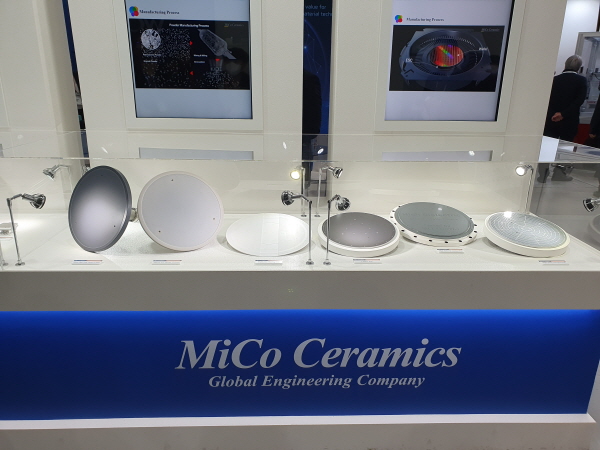
▲미코세라믹스의 주요 제품들
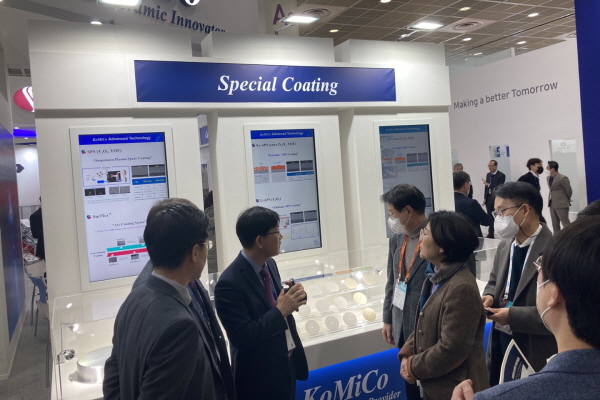
▲김보라 안성시장이 세미콘 코리아 2023에 설치된 미코 그룹 부스에 방문했다.

관련뉴스
-

[기업 리뷰] 코미코, 반도체장비 세정 코팅 기술 글로벌 No.1 추구
코미코(www.komico.com)는 반도체 세정, 코팅을 한국 최초로 사업화한 기업이다. 1996년 창립한 미코 그룹의 계열사로 2013년 8월 반도체 부품의 전문 세정 코팅 사업부를 분리하여 창립됐다. 2013년 물적 분할에 따른 신설 법인으로서 2014년 대비 2015년 19.2%의 매출을 기록했다. 모 기업인 미코(구 코미코)는 지난 18년 동안 반도체/LCD 제조장비에 들어가는 고가 소모성 부품에 대한 세정 및 재생기술을 개발해 왔다.
2016-07-04 오후 2:53:34by 신윤오 기자
-
[인터뷰] 코미코 최용하 대표이사-“반도체 고집적화 정밀세정·특수코팅 더욱 중요”
코엑스에서 열린 ‘세미콘 코리아 2022’에 참가한 국내 최초 세정 및 코팅 기술 개발 전문기업 코미코 최용하 대표이사와의 인터뷰를 통해 코미코의 최신 세정 및 코팅 기술과 업계 동향을 알아보는 자리를 마련했다.
2022-02-14 오후 4:34:34by 김예지 기자

.jpg)
많이 본 뉴스

[열린보도원칙] 당 매체는 독자와 취재원 등 뉴스이용자의 권리 보장을 위해 반론이나 정정보도, 추후보도를 요청할 수 있는 창구를 열어두고 있음을 알려드립니다.
고충처리인 장은성 070-4699-5321 , news@e4ds.com