인피니언, 에너지 하베스팅으로 컴팩트한 IoT 솔루션 지원
기사입력 2023.04.04 14:59
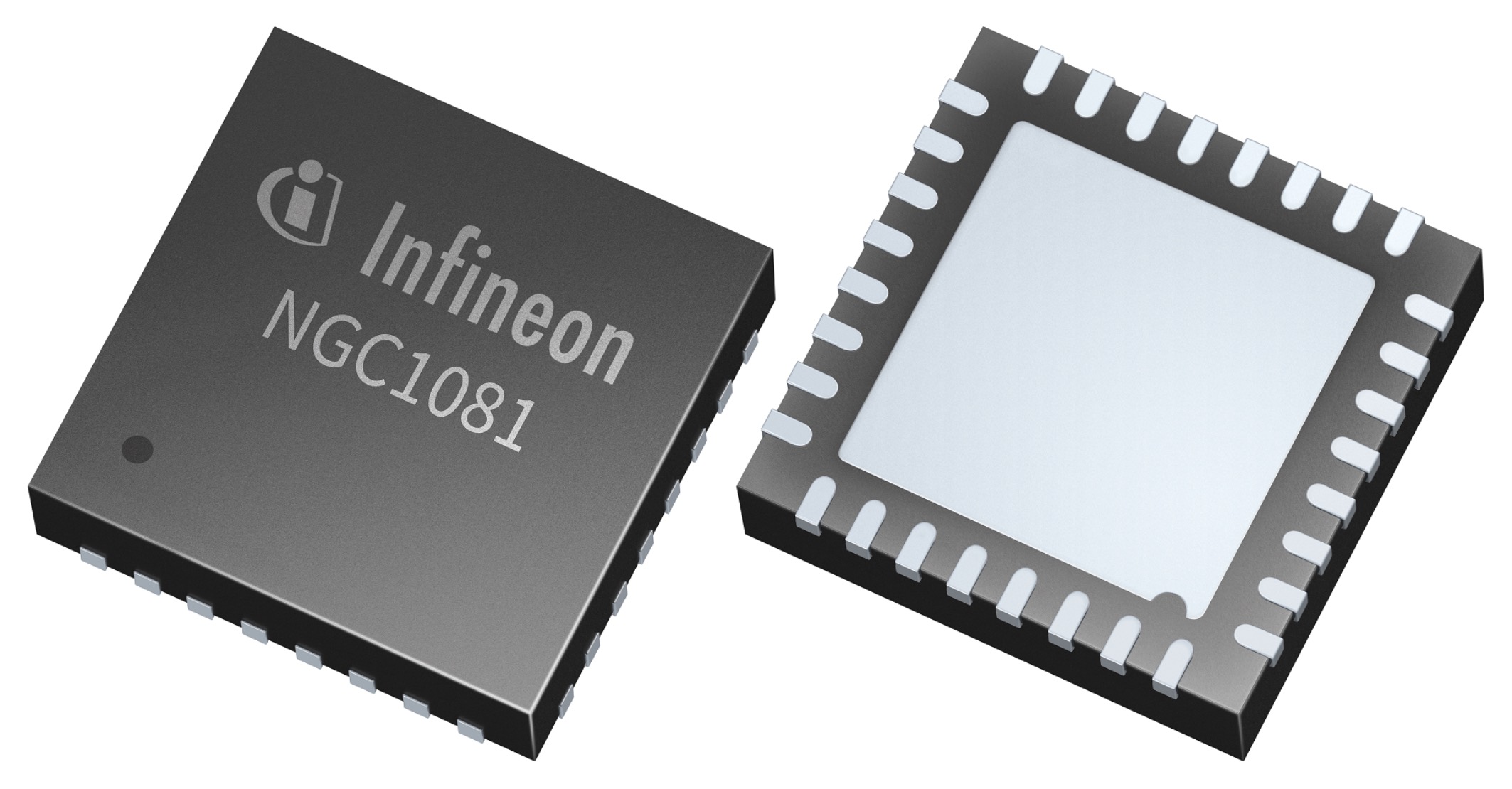
▲인피니언 NFC 태그 컨트롤러 NGC1081(이미지:인피니언)
에너지 하베스팅 통합한 NFC 태그 컨트롤러 출시
인피니언 테크놀로지스(이하 인피니언)가 NFC 태그 컨트롤러 NGC1081을 출시한다고 4일 밝혔다. 이 새로운 싱글칩 솔루션은 IoT 업체가 저가의 소형 스마트 에지 컴퓨팅 및 센싱 디바이스를 개발할 수 있도록 하며, 에너지 하베스팅 기능을 통합한 NFC 기반 센싱 컨트롤러를 사용해 IoT 애플리케이션에서 동작하는 패시브 스마트 디바이스를 손쉽게 개발할 수 있다고 전했다.
이러한 디바이스는 스마트폰을 사용해서 제어하고 전원을 공급할 수 있으며, △의료용 패치 △일회용 현장 검사기 △데이터 로거 △스마트 온도 조절기 △센서 인레이에 이르기까지 다양한 애플리케이션에 적용 가능하다고 설명했다.
태그 컨트롤러는 두 가지 전원 공급 기능을 지원하는데, 에너지 하베스팅 기반의 패시브 모드(배터리 없음)로 동작하거나 3~3.3V 외부 전원 공급 장치를 통해 독립형 센싱 노드로 동작하는 배터리 구동 모드로 동작할 수 있다.
패시브 모드에서는 IC와 연결된 센서를 포함한 전체 감지 시스템이 휴대폰의 NFC 필드에서 에너지 하베스팅을 통해 전력을 끌어올 수 있다. 이러한 기능은 자연스럽게 갈바니 절연이 이루어진 센싱 인터페이스와 결합해 배터리가 필요 없고 유지 보수가 최소화되는 다양한 감지 사용 사례를 가능하게 한다. 이는 안전 규정 충족을 위해 전원장치를 갈바니 절연해야 하는 애플리케이션에 특히 유용하다.
이 NFC 태그 컨트롤러는 저전력 ARM Cortex-M0 마이크로컨트롤러를 기반으로 하며, 그외 몇가지 핵심 부품을 통합했다. 이 중에 NFC 프론트 엔드는 ISO14443 타입-A 표준을 충족하며, 모터 제어 드라이버는 H-브리지 회로를 채택해서 최대 250mA의 전류를 구동할 수 있다. 또한 NGC1081은 4개 아날로그 입력을 제공하는 12비트 SAR ADC와 하나의 아날로그 출력을 제공하는 10비트 DAC를 기반으로 하는 센싱 유닛을 특징으로 한다. 센싱 유닛은 I2V 컨버터와 온도 센서도 포함한다. 온도 센서의 정확도는 △0°C~45°C에서 ±0.3°C △-20°C~0°C 및 45°C~85°C에서 ±0.4°C이다.
고집적 싱글칩 솔루션을 통해 고객들은 스마트 센싱 디바이스를 개발할 때 제품 크기를 소형화하고 시스템 BOM(bill of materials) 비용을 낮출 수 있다. 또한 명확한 IC 아키텍처와 잘 설계된 하드웨어·소프트웨어 파티셔닝은 완전히 유연한 소프트웨어 정의 기능을 구현할 수 있도록 한다. 이 컨트롤러는 구성가능성과 범용성이 뛰어나서 다양한 애플리케이션 및 시스템의 필요에 따라서 조절이 용이하다.
뿐만 아니라 스마트폰에 원활하게 연결할 수 있어 클라우드 기반 사업 모델을 적용할 수 있다는 점이 특징적이고 강조했다. 이를 위해서 간결하고 확장가능한 메일박스 컨셉을 지원하기에 견고한 액세스 관리가 가능하고 데이터 무결성과 보안 유지에 적합하다. 오픈 프로토콜 인터페이스로부터 특정 용도 명령과 메시지를 사용해서 프로토콜 층을 확장할 수도 있다고 덧붙였다.

관련뉴스
-

인피니언, IoT 초소형 디바이스용 NFC 솔루션 출시
인피니언 테크놀로지스(코리아 대표이사 이승수)가 초소형 및 초저전력 특성을 갖춘 NFC 솔루션 출시를 통해 스마트 웨어러블 및 IoT 디바이스 개발에 최적 대안을 제시할 것으로 기대를 모으고 있다.
2023-03-14 오후 4:57:15by 배종인 기자
-

인피니언, 28나노 기반 첨단 결제 서비스 가속화
인피니언 테크놀로지스(코리아 대표이사 이승수)가 28㎚에 기반 한 비접촉 결제 솔루션 출시로 첨단 결제 서비스를 가속화한다.
2023-03-29 오후 5:06:36by 배종인 기자
-
.jpg)
마우저, 인피니언 MA2304xN MERUS 멀티레벨 스위칭 증폭기 공급
마우저 일렉트로닉스는 인피니언(Infineon Technologies)의 MA2304xN MERUS™ 멀티레벨 스위칭 증폭기 제품을 공급한다고 최근 밝혔다.
2023-04-03 오후 4:53:25by 배종인 기자


많이 본 뉴스

[열린보도원칙] 당 매체는 독자와 취재원 등 뉴스이용자의 권리 보장을 위해 반론이나 정정보도, 추후보도를 요청할 수 있는 창구를 열어두고 있음을 알려드립니다.
고충처리인 장은성 070-4699-5321 , news@e4ds.com