[이슈] CPU 시대 끝나고 ‘메모리 중심 컴퓨팅’ 시대 온다
기사입력 2017.10.23 18:19
거대 공유 메모리 풀을 중심으로 CPU 중심의 구조 벗어나
젠-Z 컨소시엄, 메모리 중심 컴퓨팅 주도해
올해는 메모리가 세계 반도체 시장의 호황을 이끌었다. 메모리가 호황을 맞은 이유는 공급이 수요를 맞추지 못해 메모리 가격이 올랐기 때문이다. 그렇다면 앞으로 인공지능(AI) 시대가 오면서 메모리 시장은 어떤 변화를 맞이할까.
미래에셋대우 도현우 연구위원은 “내년 상반기까지는 괜찮을 것으로 본다. D램은 캐파 투자 자제와 서버형 수요 덕분에 가격 상승세가 지속 중이다. 낸드는 아이폰X 수요가 있어 가격 상승이 시작되었다. 2018년 상반기까지는 메모리 수급이 양호할 것”이라며 “내년 4분기에는 중국 메모리 반도체 업체가 소규모로 생성 예정이라 이 점이 변수가 될 수 있다”고 말했다.
메모리 반도체의 수요가 양호할 것으로 예상되는 가운데 우리가 주목해야 할 이슈는 어떤 것이 있을까. 도 연구위원은 메모리 중심 컴퓨팅을 눈여겨 봐야 한다고 강조했다.
전통적인 컴퓨터 시스템은 프로세서를 중심으로 메모리가 배치되어 있어 서버 내의 데이터를 찾는 것은 빠르지만 병렬 구조로 되어 있는 옆 서버의 데이터를 찾으려면 오래 걸린다. 인공지능 데이터를 처리하려면 이런 구조로는 무리가 있다. 이에 제시된 방법이 메모리와 프로세서를 떨어뜨려 놓는 구조이다. 서버 내에서 데이터를 찾는 속도는 다소 느려질 수 있으나 다른 서버의 정보를 찾는 속도는 빨라진다. 구조를 이렇게 바꾸게 되면 기존의 방식보다 메모리의 수가 늘어나야 한다.
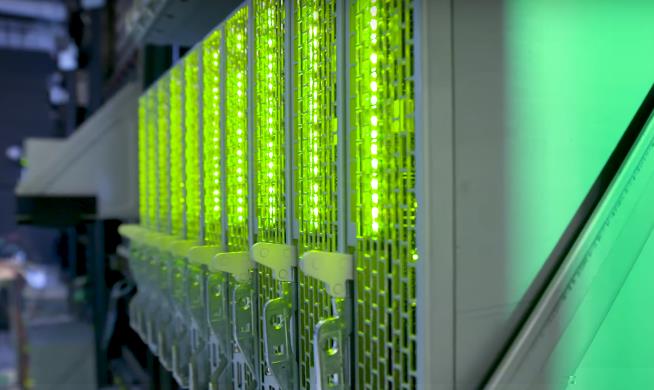
HPE의 메모리 중심 컴퓨팅을 위한 프로토타입 서버 'The Machine'
CPU, FPGA, GPU, D램, SSD 등을 모두 분리해 놓은 메모리 중심 컴퓨팅의 구조는 거대한 공유 메모리 풀을 만드는 것이 핵심이다. 메모리 풀에서는 모든 프로세서가 병렬로 연결되고 시스템의 다른 부분에 데이터를 전송할 필요가 없어지기 때문이다. 공유 메모리 풀은 기존보다 메모리 수가 늘어나면서 비싼 D램의 가격이 문제가 되고 있다. 이를 해결하기 위한 대안으로 차세대 메모리인 스토리지클래스메모리(SCM)이 지목되었다. D램 수준의 속도를 유지하면서 비휘발성 메모리다.
지금 SCM을 양산하고 있는 곳은 인텔이 있다. 인텔은 마이크론과 공동 개발한 3D X포인트 기술을 활용해 SCM의 일종인 옵테인 메모리를 만들었다. 이어 JEDEC 규격을 따르지 않고 독자적인 규격도 만들고 있다.
인텔을 제외한 다른 업체들은 젠-Z(GEN-Z) 컨소시엄을 구성했다. 삼성전자, SK하이닉스, ARM, 자일링스 등 데이터 센터 업체를 제외한 대부분의 업체가 포함되어 있다. 이들의 목표는 SCM 등 차세대 메모리 개발과 메모리 중심 컴퓨팅으로의 전환이다.
도 연구위원은 “HPE가 올해 3월 메모리 중심 컴퓨팅을 구현하기 위한 프로토타입 ‘The Machine’을 공개했다. 노드 40개, 메모리 풀 용량이 160TB이다”며 “인텔의 3D XPoint가 가격이나 용량면에서 낸드플래시와 D램의 중간급 역할을 한다. 내년부터는 시장에 영향이 있을 것”이라고 전했다.
최근 업계에서 주목 받고 있는 메모리는 HBM(고대역폭 메모리)이다. CPU나 GPU와 같은 로직 반도체와 메모리를 1개의 패키지로 묶은 것을 2.5D 패키지라고 한다. 여기에 들어가는 D램이 HBM이다. 2.5D 패키지는 속도가 빠른 대신, 칩 간 데이터 전송 시 병목 현상이 심하다. HBM은 3차원 적층 기술인 실리콘관통전극(TSV)을 이용해 D램을 수직으로 쌓기 때문에 메모리간의 직접적 연결로 빠른 속도를 기대할 수 있다. 하지만 수율은 낮고 가격이 높다.
도 연구위원은 “TSV 공정이 어렵고 비싸다. 현재 시장에서는 1%의 비중을 차지하고 있는데 30%까지 증가할 것으로 본다”며 “이에 따른 후공정 장비의 수요도 커질 것”이라고 예상했다.
김지혜 기자
관련뉴스
-
삼성전자, 플래시 메모리 서밋에서 최대용량 V낸드 SSD 솔루션 공개
삼성전자가 미국 산타클라라 컨벤션 센터에서 열린 '플래시 메모리 서밋 2017(Flash Memory Summit)'에서 세계 최대용량의 V낸드와 차세대 SSD 솔루션을 선보였다. 삼성전자는 이번 서밋에서 △세계 최대 용량의 '1Tb V낸드' △서버 시스템의 집적도를 향상 시킬 수 있는 ' NGSFF(Next Generation Small Form Factor) SSD' △기존 SSD보다 성능을 획기적으로 향상시킨 'Z-SSD' △신개념 데이터 저장방식을 적용한 'Key Value SSD' 등 혁신적인 V낸드 기반 신기술을 공개했다. 삼성전자는 이날 서밋에서 데이터를 저장하는 '3차원 셀(Cell)' 용량을 기존(512Gb)보다 2배 늘린 '1Tb 낸드'를 공개했다. '1Tb 낸드'는 16단을 적층해 하나의 단품 패키지로 2TB를 만들 수 있어, SSD의 용량을 획기적으로 늘릴 수 있다. 1Tb V낸드가 적용된 최대용량의 SSD 제품을 2018년에 본격 출시할 예정이다.
2017-08-09 오전 10:42:36by 김지혜 기자
-
가트너, 2017 년 전 세계 반도체 매출 4,111억 달러 돌파
가트너는 2017년 전세계 반도체 시장 매출이 전년 대비 19.7% 증가한 4,111억 달러에 달할 것으로 예측했다. 이는 금융 위기 이후 회복세를 나타내며 31.8% 증가를 보인 2010년 이후 가장 뚜렷한 매출 증가세이다. 가트너 책임연구원인 존 에렌센(Jon Erensen)은 “메모리가 반도체 시장 성장세를 꾸준히 견인하는 중이며 수요 공급 관계에 의한 가격 상승으로 2017년 메모리 시장 매출은 57% 늘어날 전망이다. 메모리 부족, 특히 D램 부족 현상이 반도체 매출을 한층 끌어올리고 있다”며, “이러한 강세가 비광학 센서, 아날로그, 디스크리트(Discretes), 이미지 센서 등 기타 반도체 분야로 확산되고 있으며, 이들 분야는 2017년 한 해 동안 약 10% 성장할 것으로 기대된다”고 전했다.
2017-10-16 오후 2:18:00by 김지혜 기자
-
초고속으로 동작하는 차세대 자기 메모리 기술 개발 성공
?차세대 자구벽 기반 자기메모리(Domain wall-based magnetic memory)의 속도를 향상시키는 기술이 개발됐다. 한국과학기술원의 김갑진 교수와 고려대 이경진 교수 연구팀이 개발한 것으로 이 연구는 물리/재료 분야 학술지인 네이터 머티리얼스(Nature Materials) 9월 25일자에 게재되었다. 기존의 하드디스크는 외부 전원 공급이 없는 상태에서 정보를 유지할 수 있는 비휘발성 특성을 가지고 있으나, 원판을 회전시켜 정보를 저장하기 때문에 에너지 소모가 크고 속도가 느리다는 한계가 있었다.
2017-10-20 오전 9:37:11by 김지혜 기자

많이 본 뉴스

[열린보도원칙] 당 매체는 독자와 취재원 등 뉴스이용자의 권리 보장을 위해 반론이나 정정보도, 추후보도를 요청할 수 있는 창구를 열어두고 있음을 알려드립니다.
고충처리인 장은성 070-4699-5321 , news@e4ds.com