ST, 에코시스템 결합한 STM32 PMSM FOC 개발 키트 출시
기사입력 2018.03.20 10:56
소스 코드에 무료로 액세스할 수 있어 개발자는 유연성과 제어 및 맟춤 기능 활용 가능
ST마이크로일렉트로닉스(ST)가 최신 STM32 PMSM FOC 소프트웨어 개발 키트(SDK)와 STM32Cube 에코시스템(주문코드: X-CUBE-MCSDK)을 결합하여 STM32 마이크로컨트롤러 상에서 에너지 효율적인 첨단 모터 드라이브를 보다 간단하게 개발할 수 있도록 지원한다.
이번 솔루션의 출시로 엔지니어들이 전문 경험 없이도 에어컨, 가전제품, 드론, 빌딩 자동화, 산업용 기계, 의료 기기, 전기 자전거와 그 외 수많은 장비에 대해 정교한 드라이브를 구현할 수 있는 기회가 확장되었다.
새로운 5.0 버전의 펌웨어 라이브러리는 ST의 이전 세대 PMSM(Permanent Magnet Synchronous Motors) FOC(Field-Oriented Control) SDK를 기반으로 구현되었으며, STM32Cube HAL(Hardware Abstraction Layer) 및 LL(Low Level) 아키텍처에 맞게 조정이 가능하고, 개발 및 사용자 지정과 디버깅이 용이하다. 또한 소스 코드에 무료로 액세스할 수 있어 개발자는 더욱 뛰어난 유연성과 제어 및 맞춤 기능을 활용할 수 있다.
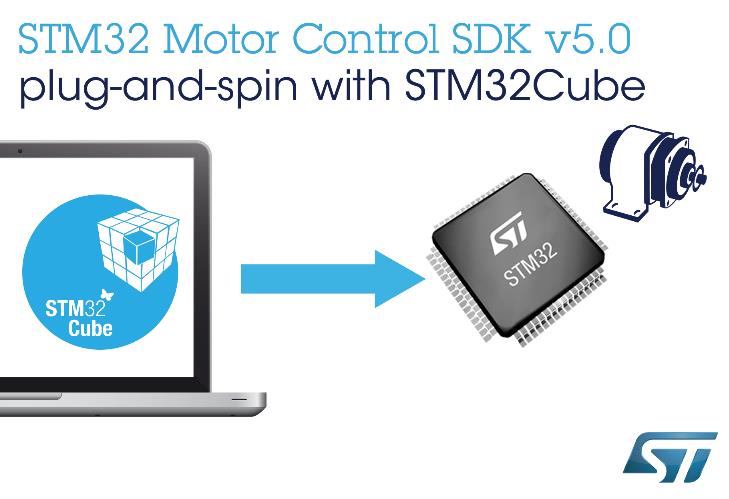
MC-워크벤치 5.0 버전의 새로운 GUI(Graphical User Interface)는 STM32CubeMX 워크플로우를 활용하여 프로젝트를 설정하고, 마이크로컨트롤러 주변장치를 구성하며, 자동으로 초기화 코드를 생성한다. 또한 사용자가 프로젝트를 개발하거나 디버깅을 수행할 때, 제어 루프 파라미터를 실시간으로 모니터링하거나 변경할 수 있다.
이번 제품은 MTPA(Maximum Torque Per Ampere)와 같은 범용 PMSM-제어 기법을 구현하는 다양한 알고리즘이 포함되어 효율성을 극대화하고 다양한 부하 조건을 처리한다. 또한 고속 상태의 안정성 향상을 위해 확장 속도 범위와 피드-포워드(Feed-Forward) 제어를 위한 플럭스-위크닝(Flux-Weakening) 제어 기능도 포함되어 있다. 또한 로터가 이미 회전하고 있을 때 원활하게 드라이브를 삽입할 수 있는 ‘즉시 가동(start-on-the-fly)’ 기능을 갖추고 있으며, 이는 에어컨이나 배연장치와 같은 실외기 팬에 필요한 경우가 많다.
사용자는 고정자 저항(Rs), 인덕턴스(Ls), 모터전압 상수(Ke)와 같은 전기적 파라미터는 물론, 기계적 마찰 및 관성을 자동으로 감지하여 모터 측면들을 대부분 신속하게 특성화하도록 지원하는 모터 프로파일러(Motor Profiler) 등 이미 검증된 강력한 SDK 기능을 활용할 수 있다. 또한 단일 또는 트리플-션트(Triple-Shunt)나 ICS(Isolated Current Sensor)를 이용한 전류 감지, 인코더 및 홀 센서를 이용한 로터 위치 감지, 센서리스 제어 등 유연한 모터-제어 전략이 다양하게 지원된다. 뿐만 아니라 이 SDK는 다양한 STM32 제품에 통합된 풍부한 아날로그 기능과 다중 모터-제어 타이머를 활용하여 듀얼-모터 애플리케이션을 지원한다.
김지혜 기자
관련뉴스
-

ST-리모 와이어리스, IoT 위치 추적기 플랫폼 적용한다
ST마이크로일렉트로닉스(ST)는 중국 기반 IoT 제품 및 통합 솔루션 제조사인 리모 와이어리스(Remo Wireless, 이하 리모)가 시퀀스와 ST의 IoT 위치 추적기 플랫폼 클로에(CLOE)를 적용하여 북미, 일본 및 중국의 다양한 IoT 위치 추적기 제품을 설계한다고 밝혔다. 클로에(Connecting and Locating Objects Everywhere)는 시퀀스의 LTE-M(4G LTE 기술) 칩 모나크(Monarch)와 ST의 GNSS(위성 항법 시스템) 칩 테세오 III(Teseo III)를 결합한 전 세계 ODM 업체 대상 IoT 위치 추적기 제품 개발용 올인원 솔루션이다.
2018-03-08 오후 4:39:44by 김지혜 기자
-

[EVKIT]'STM32L4+ 디스커버리 키트' 저전력, GUI, 보안 삼박자 갖춰
따라만 해도 키트 전문가! 오늘의 키트로 ST 마이크로일렉트로닉스(이하 ST)의 STM32L4+ 디스커버리 키트가 선정됐다. Weekly EVKIT을 통해 ST의 김두형 과장은 STM32L4+ 디스버커리 키트의 특징과 시연을 선보였다. 저전력에도 불구하고 높은 성능으로 CES 2018에서도 소개되어 세계적으로 검증된 바 있는 STM32L4+ MCU 및 디스커버리 키트에 대해 자세한 이야기를 들었다. 또 시연을 통해 개발자와 많은 사람의 이해를 돕는 시간을 가졌다. - 스마트 애플리케이션에 주로 사용되는 STM32L4+ 디스커버리키트의 특징을 설명해준다면? 시장에서 배터리를 사용하는 스마트 애플리케이션이 큰 비중을 차지하고 있어 저전력의 에너지 효율성을 갖춘 설계가 필요하다. STM32L4+는 저전력 MCU로서 ULPBench에서 높은 점수를 받았으며 최대 동작 주파수는 STM32L4 대비 50% 향상된 120MHz를 지원한다. 그리고 UART, I2C, SPI, USB 등 통신 인터페이스와 LPTimer, LPUART, MIPI DSI, TFT LCD용 parallel, Octo-SPI를 제공한다. - 동그란 UI에 Enhanced Graphic으로 내장된 Chrome-ART Accelerator는 어떤 역할을 하는가? Chrome-ART accelerator는 두 이미지를 블렌딩하고 픽셀 포맷 변환을 지원한다. 그리고 이를 위해 데이터 복사 기능과 안티 앨리어싱 management를 제공한다. 이를 통해 2D 그래픽 작업을 하는 데 있어서 CPU 부하를 줄여준다. 또한, STM32L4+에는 디스플레이 형태에 따라 적합한 메모리 사용을 위한 그래픽 메모리 관리 장치 MMU인 Chrom-GRC가 추가되었다. 예를 들어 스마트 밴드와 같은 원형 디스플레이를 지원하는 애플리케이션을 디자인할 경우 리소스는 사각형 이미지를 사용한다. 이 경우 디스플레이 출력 시 원형을 제외한 부분은 메모리 리소스만 낭비하게 된다. 하지만 Chrom-GRC는 사각형의 리소스 이미지를 가상 메모리에 복사한 후 원형 디스플레이에 보이는 부분만 실제 메모리에 저장해 메모리 리소스를 약 20% 절약할 수 있다.
2018-03-16 오전 9:20:10by 김학준 기자
-

ST-시그폭스, 디바이스 커넥티비티 향상 위해 협업
ST마이크로일렉트로닉스(STMicroelectronics, 이하 ST)와 시그폭스가 다양한 애플리케이션의 커넥티드 디바이스에 대한 지원과 수요 확대를 위해 협약을 체결했다고 밝혔다. 애플리케이션에는 공급망 관리, 빌딩 및 장비 유지 보수, 수도 및 가스계량기, 보안, 교통, 농업, 광산 및 홈오토메이션이 포함된다. 개발자들이 LPWAN 기반 제품 및 솔루션을 빠르게 상품화할 수 있도록 ST의 개발 툴에 시그폭스 네트워킹 소프트웨어를 추가하게 된다. 시그폭스 네트워킹 소프트웨어는 STM32 툴 호환성을 갖춘 ST의 MCU 소프트웨어 패키지에 포함되어 공급된다. 이를 통해 고객들이 LPWAN의 표준으로 시그폭스를 적용하는 데 속도를 높일 수 있게 될 것으로 보인다.
2018-03-19 오전 10:52:14by 김학준 기자

.jpg)
많이 본 뉴스

[열린보도원칙] 당 매체는 독자와 취재원 등 뉴스이용자의 권리 보장을 위해 반론이나 정정보도, 추후보도를 요청할 수 있는 창구를 열어두고 있음을 알려드립니다.
고충처리인 장은성 070-4699-5321 , news@e4ds.com