[인터뷰]김지성 수원과학대학교 전자과 교수-“EMC/EMI 전문가 육성·확보, 국가 산업 핵심”
기사입력 2021.09.27 11:03
“EMC/EMI 전문가 육성·확보, 국가 산업 핵심”
EMI 전문가, 단기 육성 불가·장기간 경험 쌓아야
車 전장화·복잡한 통신환경 급증, 전문가 확보 必
EMI 전문가, 단기 육성 불가·장기간 경험 쌓아야
車 전장화·복잡한 통신환경 급증, 전문가 확보 必
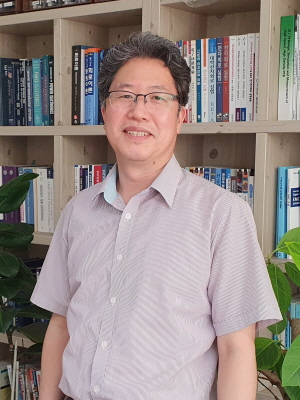 “EMC(Electromagnetic Compatibility, 전자파 적합성)/EMI(Electromagnetic Interference, 전자파 장해) 전문가의 육성 및 확보는 국가 산업발전의 핵심이다. 향후 자동차를 비롯해 전자제품 등 산업 및 일상 전반의 디지털 환경이 급변하며, EMI 문제는 더욱 심각해 질 것으로 예상된다. 이를 예방하고, 문제 발생시 해결하기 위해서는 EMI 전문가 확보가 필수이나, EMI 전문가는 단기 육성은 불가능하고, 장기간 투자가 필요한 만큼 정부를 비롯해 산업계 전반이 EMI 전문가 확보 및 육성을 위해 지금부터라도 다양한 투자가 필요하다”
최근 본지와 인터뷰를 진행한 김지성 수원과학대학교 전자과 교수는 향후 더 복잡해지고, 급증한 EMI 문제를 대비해 경험많은 전문인력이 필요하다고 주장했다.
김지성 교수는 EMI는 눈에 보이지 않는 다양한 요인들에 의해 발생하기 때문에 그 원인을 밝히는 것이 매우 어렵다며 전자 제품의 경우 많은 반도체 칩을 사용하고 있고 EMI 측면에서 칩을 아무리 잘 만들어도, 칩이 실장되는 PCB 기판을 잘못 설계하면 동작과 관련없는 고주파 노이즈가 발생하기 때문에 PCB 기판의 설계가 매우 중요하다고 말했다. 또한 전자제품 기판뿐만 아니라 커넥터, 케이블을 포함한 신호 전송선로의 설계도 중요하며, 이를 통해 제품에 영향을 줄 수도 있다고 언급했다.
특히 EMI로 인한 제품 고장시 단순히 하나의 부품만으로는 평가가 어려운 다양한 환경이 존재하며, 완전한 시스템에서는 부품 각각 작동하는 환경에서 전혀 다른 환경으로 변화하기 때문에 △노이즈 발생원인 △대책설계 △경로차단 △차폐 등의 제품단위의 인증을 하게 돼 있다고 말했다.
가장 효과적이고 효율적으로 EMI를 줄이기 위해서는 설계 단계에서 노이즈를 고려한 설계가 필요하며 △이론을 기반을 둔 설계가이드가 필요하고, △시뮬레이션 해석 그리고 측정을 통한 △노이즈 원인 파악, 필터링, 노이즈 경로 차단 등의 대책 기술이 필요하다고 밝혔다.
이러한 노력에도 불구하고 각각의 제품들은 제품 모델에 따라 다른 현상이 발생할 수도 있으며, 제품을 사용하는 환경에 따라서 노이즈 간섭 등의 문제가 다르게 발생할 수 있기 때문에 부품, 모듈 단위의 EMI 설계도 중요하지만 시스템 전체적인 동작환경을 고려해 원인분석이 이뤄져야 한다고 말했다.
이에 정부를 비롯해 국내 산업계에서는 EMI 인증이나 디버깅을 위해 지역마다 전자파 시험시설을 갖추고 있고, 인증 시험하는 환경을 갖춰놓고 있지만 이를 해결하기 위한 컨설팅 서비스가 쉽지 않은 것이 사실이라고 전했다.
테스트 환경에서는 EMI 문제 발생을 규명할 수는 있지만 이를 해결하기 위한 전문가가 부족하다는 이야기다.
이에 정부에서는 기술닥터 사업 등을 통해 전문가를 매칭해 주기도 하고, 전파진흥협회의 전자파대책 기술지원 사업 등을 통해서 인력 풀을 가지고 지원하기도 하지만 기업에서 잘 모르는 경우가 많아 많은 홍보 및 지원이 필요하다고 언급했다.
특히 EMI 지식을 갖춘 전문가들이 국내에서 많은 편이 아니며, 대학에서 단기간 수업을 진행한다고 관련 노하우가 생기는 것이 아니기 때문에 설계라든지 디버깅 해결을 위한 기술 등을 위해서는 해당 분야에서 상당한 경험을 쌓는 것이 필요하다고 말했다.
여기에 향후 EMI 관련 전문가 수요는 점차 늘어날 전망이다.
김지성 교수는 시대가 변하면서 자동차는 전장화되며, 과거 기계에서 이제는 전자제품으로 그 이미지가 변하고 있으며, 5G 등 통신 주파수가 올라가면서 전자파 문제는 더욱 커질 것으로 내다봤다.
특히 센서, AI 기술이 들어가면서 산업 제품들은 더 복잡해져가고 있는데 자동차의 경우 예전에는 창문의 스위치를 누르면 그냥 모터가 돌아가 창문이 내려가는 것이었는데, 지금은 버튼을 누르면 네트워크 통신을 하는 시대가 됐다며 컴퓨터에 무엇인가 노이즈가 들어가서 오동작할 수 있는 환경이 조성됐으며, 브레이크도 엑셀도 다 전자화 돼 자동차에서의 EMI로 인한 오동작은 위험한 상황을 초래할 수 있는 원인이 될 수도 있다고 전했다.
또한 자동차 등에서 AI기술이 접목되며, 그 기술이 완벽하게 검증되기까지 많은 시간이 걸리는데 전자파로 인한 그런 문제라든가 이런 것들은 100% 제한이 잘 이뤄지지 않기 때문에 부품이나 모듈 레벨에서 없던 문제가 생길 수도 있다고 언급했다.
김지성 교수는 “이런 EMI 발생 환경이 늘어가는 상황에서는 경험많은 EMI 전문가 육성 및 확보가 국내 전자 산업 발전을 위해 반드시 필요한 만큼 정부와 산업계가 EMI 전문가 육성 및 확보에 많은 지원과 투자를 진행해야 할 것”이라고 밝혔다.

관련뉴스
-
전기차 전장부품 ‘EMI’ 비상
최근 전기차에서 전자파간섭(EMI, Electro Magnetic Interference) 현상으로 인한 전장 제품 고장이 발생하는 사례가 늘고 있어, 전기차 부품 제조사들이 EMI 차폐를 위한 기술 확보에 비상이 걸렸다.
2021-08-20 오전 10:20:47by 배종인 기자
-
무선 충전 및 전기차 기술 성장, 전자파 차폐 수요 키워
전자파는 장기적으로 인체에 유해할 수 있고, IT 기기 또는 차량에선 전자파 간섭(EMI) 현상을 일으켜 오작동 위험성을 높인다. 최근 다양한 분야에서 전자화가 진행되며 전자파 차폐에 관한 관심도 뜨겁다. 특히 무선 통신 기술의 발달로 전파의 종류와 양이 급격히 증가하고 있으므로 다양한 차폐 수요 예측과 차폐 환경에 맞는 소재 기술 개발 노력이 절실할 때다.
2021-09-06 오후 3:15:37by 이수민 기자
-
[인터뷰]조성재 신한대학교 교수-“회로 설계 영원한 숙제 ‘EMC/EMI’, 전문가 양성 必”
최근 본지와 인터뷰를 진행한 신한대학교 조성재 교수는 EMI는 회로설계자들의 공통적인 문제로 EMI를 해결하기 위해서는 오랜 시간 다양한 문제들을 접하고, 해결하는 경험을 쌓아야 한다며 이를 위해 전문기관에 의한 교육의 중요성을 강조했다.
2021-09-14 오전 11:08:07by 배종인 기자
EMI 고려한 최적의 전원 설계 솔루션
2021-10-14 10:30~12:10
ArrowElectronics / 이신형 부장



.jpg)
많이 본 뉴스

[열린보도원칙] 당 매체는 독자와 취재원 등 뉴스이용자의 권리 보장을 위해 반론이나 정정보도, 추후보도를 요청할 수 있는 창구를 열어두고 있음을 알려드립니다.
고충처리인 장은성 070-4699-5321 , news@e4ds.com