인텔, 신규 oneAPI 2023 공개
기사입력 2022.12.21 09:22
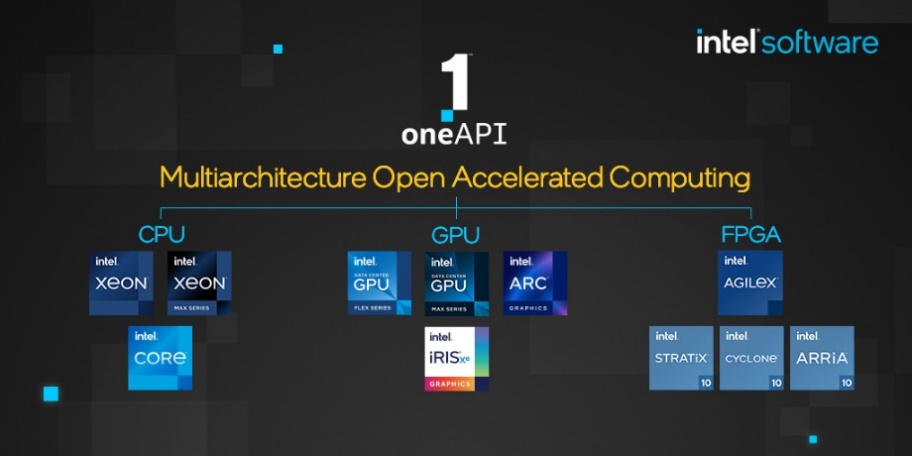
▲인텔 OneAPI 멀티아키텍처 오픈 액셀러레이터 컴퓨팅 (이미지 -인텔)
신규 oneAPI 2023, 교차 플랫폼 생산성 확장 기능 탑재
48%의 개발자가 두 종류 이상의 프로세서를 사용하는 이기종 시스템을 목표로 한다. 이에 실제 워크로드의 범위와 규모가 증가하는 문제를 해결하기 위해서는 보다 효율적인 멀티 아키텍처 프로그래밍이 필요하다. CUDA와 같은 독점적 프로그래밍 모델을 위해 작성된 코드는 다른 하드웨어로의 이동성이 부족하며, 조직을 폐쇄적인 생태계에 가두는 고립된 개발 환경을 초래할 수 있다.
개발자는 인텔의 표준 기반 멀티 아키텍처 도구를 사용하고 개방되고 통합된 프로그래밍 모델인 oneAPI를 사용해 CPU 및 가속기를 위한 하드웨어, 성능, 생산성 및 코드 이식성을 자유롭게 선택할 수 있다.
인텔은 20일 신규 인텔 oneAPI 2023 툴을 공개했다. 4세대 인텔 제온 스케일러블 프로세서는 물론 제온 CPU 맥스 시리즈, 플렉스 시리즈 및 신규 맥스 시리즈를 포함한 인텔 데이터 센터 GPU를 지원한다.
인텔 oneAPI 2023은 향상된 성능과 더불어 개발자들이 비(非)인텔 GPU 아키텍처를 위한 SYCL 코드를 쉽게 작성할 수 있도록 신규 코드플레이(Codeplay) 플러그인을 지원한다. 인텔은 신규 표준 기반 툴을 통해 사용자가 하드웨어를 선택할 수 있도록 선택지를 제공하며, 멀티 아키텍처 시스템에서 실행되는 고성능 애플리케이션 개발의 편리성을 향상시킬 전망이다.
새롭게 공개하는 인텔 2023 개발자 툴에는 oneAPI로 구동되는 CPU, GPU, FPGA를 위한 고성능 멀티 아키텍처 애플리케이션을 구축에 필요한 △최신 컴파일러 △라이브러리 △분석 및 포팅 도구 △최적화된 인공지능 및 머신러닝 프레임워크가 포함되어 있다.
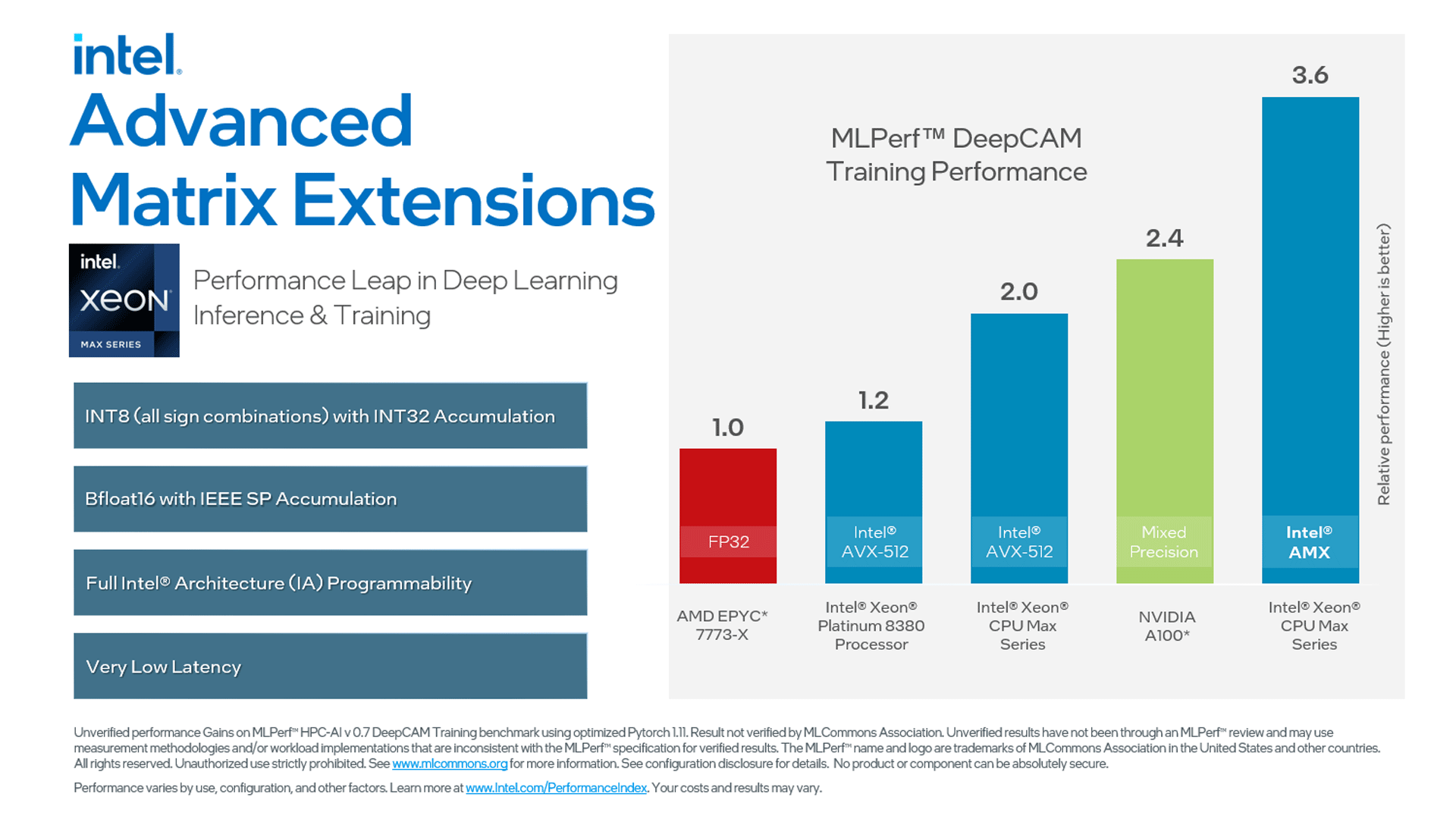
▲MLPerf DeepCAM 딥러닝 추론 및 학습 성능 벤치마크 (자료 - 인텔)
MLPerf DeepCAM 딥러닝 추론 및 학습 성능 벤치마크에서 AMD 제품을 기준으로 엔비디아는 2.4배 높은 성능을, 인텔 oneAPI 딥 뉴럴 네트워크 라이브러리(oneDNN)2 기반 인텔 AMX를 사용한 인텔 제온 CPU 맥스는 3.6배 높은 성능을 달성했다고 강조했다. 더불어 6개 맥스 시리즈 GPU에 오프로드되고 하나의 oneAPI 도구로 최적화된 인텔 제온 맥스 CPU 상에서 실행되는 대규모 원자 및 분자 병렬 시뮬레티어(LAMMPS) 워크로드 성능의 경우, 3세대 인텔 제온 혹은 AMD 밀란 대비 최대 16배 높은 성능을 기록했다.
또한 새로운 센터 오브 엑셀런스가 다수 설립되며 생태계 내 oneAPI를 채택하는 비율이 증가하고 있다. 그 중 하나는 케임브리지 대학교의 오픈 제타스케일 랩(Open Zettascale Lab)으로, 중요한 엑사스케일 후보 코드를 CASTEP, FENiCS 및 AREPO를 포함한 OneAPI로 이식하는 것에 초점을 맞추고 있다. 해당 센터는 코드를 컴파일, 포팅, 및 성능 최적화를 위한 API 방법론과 도구를 교육하는 전문가와 함께 워크샵을 제공한다. 현재 총 30곳의 oneAPI 센터 오브 엑셀런스가 설립됐다.
티모시 윌리엄스(Timothy Williams) 아르곤 컴퓨테이셔널 사이언스 부문 차장은 "인텔 맥스 시리즈 GPU 가속기를 사용하는 개발 시스템에서 초기 애플리케이션 성능이 향상됐다"며 "해당 애플리케이션은 인텔 oneAPI 컴파일러와 라이브러리를 바탕으로 개발된 애플리케이션"이라고 설명했다.
그는 "리더십 등급의 컴퓨테이셔널 사이언스의 경우 인텔 라이브러리에 의해 가속화된 SYCL 및 파이토치(PyTorch) 등 파이썬 AI 프레임워크와 같은 멀티벤더, 멀티아키텍처 프로그래밍 표준 기반 코드 이식성이 제공하는 혜택을 중요시한다"며 "해당 기술을 바탕으로 내년 오로라 시스템에서 최초의 과학적 발견을 달성하기를 기대한다”고 말했다.
한편, 해당 툴은 인텔 디벨로퍼 클라우드(Intel Developer Cloud) 및 공식 리테일 채널을 통해 제공될 예정이다.

관련뉴스
-

인텔, 개발자 위한 개방형 생태계 가속화
IT업계에서의 경쟁이 치열한 가운데 인텔은 개방형 플랫폼을 통해 개발자 커뮤니티를 활성화하고 개발자들에게 적합한 솔루션을 제공하려는 의지를 내비쳤다.
2022-09-29 오후 2:35:15by 권신혁 기자
-

인텔, HPC·AI용 맥스 시리즈 공개
인텔이 128GB 고대역폭 메모리를 갖춘 47-타일 패키지에 1,000억개 이상의 트랜지스터를 탑재 해 경쟁 제품대비 최대 4.8배 향상된 성능을 제공하는 슈퍼컴퓨팅(HPC) 및 AI 워크로드용 인텔 맥스 시리즈 제품군 발표하며, 과학 및 사회분야의 난제 해결에 핵심 역할을 할 것으로 기대를 모으고 있다.
2022-11-11 오전 8:45:55by 배종인 기자
-

인텔, 차세대 컴퓨팅 장치 솔루션 과시
차세대 컴퓨팅 장치(Next Unit of Computing, NUC)를 통한 솔루션 생태계를 구축하고 있는 인텔이 NUC 출시 10주년을 맞이해 신제품 소개와 더불어 NUC 기반 솔루션을 사용하는 기업들을 초청해 데모를 공유하는 자리를 가졌다.
2022-12-19 오후 2:46:26by 권신혁 기자

.jpg)

많이 본 뉴스

[열린보도원칙] 당 매체는 독자와 취재원 등 뉴스이용자의 권리 보장을 위해 반론이나 정정보도, 추후보도를 요청할 수 있는 창구를 열어두고 있음을 알려드립니다.
고충처리인 장은성 070-4699-5321 , news@e4ds.com