[과기부 6G 기술개발사업 공청회]"산학연 개방형 협업 통해 6G 선도"
기사입력 2022.08.26 14:56
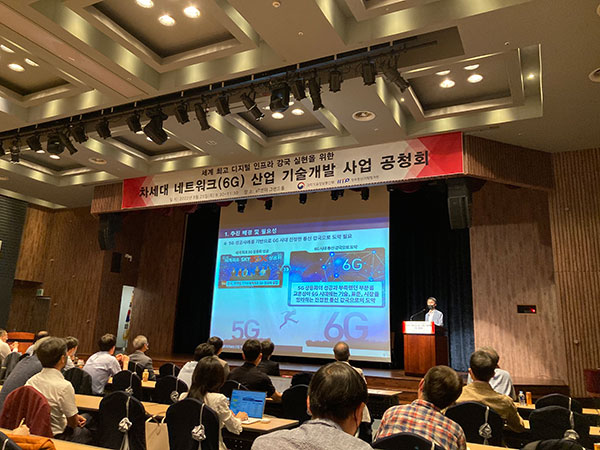
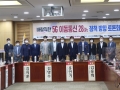
▲6G 산업 기술개발사업 공청회가 양재 aT센터에서 25일 열렸다.
25일 개최, 6G 산업 확산 목적… LG·SKT·ETRI 등 패널 토론
6G 기술개발 사업, 24년부터 30년까지 약 9,000억 규모 지원
5G를 넘어 6G를 바라보는 시점이 도래했다. 6G는 2030년 상용화될 것으로 예상되며 전 세계적으로 기술개발 및 시장 선점에 대한 관심이 집중되고 있다.
시장 선점이 중요하게 판단되는 현재 시점에서 6G 산업 기술개발사업 공청회가 열려 토론의 장이 마련됐다. 우리나라가 6G 기술개발 및 표준을 선점하고, 상용화를 통해 디지털 인프라 강국 실현을 하기 위해 산·학·연의 긴밀한 협력이 중요할 것이라는 의견이 모아졌다.
과학기술정보통신부(과기정통부)는 6G 산업 기술개발(R&D) 기획에 대해 공청회를 25일 개최했다. 공청회에서는 6개의 각 분야에 대한 발제를 토대로 향후 추진방향을 논의하고, 패널 토의 이후에 같이 토론을 하면서 질의 응답을 진행했다.
과기부는 이번 공청회의 의견을 바탕으로 올해 9월 예비타당성조사 대상 사업 선정 공모에 신청한다. 6G 산업 기술개발 예타 사업의 기간은 2024년부터 2030년까지 7년간, 약 9,000억원 규모다.
6G 산업 기술개발 사업은 △6G 무선통신 △6G 무선통신 부품 △6G 모바일 코어 네트워크 △6G유선 네트워크 △6G 시스템 △6G 기반조성 등 6개 분야 17개 전략기술로 기획된다.
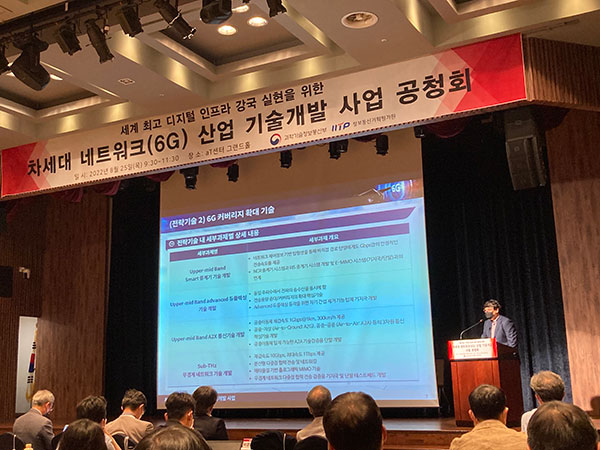
과기정통부 김정삼 정보보호네트워크정책관은 6G 개발에 있어 우리나라는 경쟁국 대비 작은 투자 규모로 세계 주도권을 잡기 위해 투자를 확대해야 한다고 주장했다.
김 정책관은 발표에서 6G 후보 주파수 대역으로 높은 속도 및 넓은 커버리지를 제공하는 Upper-mid 대역(7~24GHz)의 개발이 주목된다고 주장했다. 5G가 3.5GHz 대역을 중심으로 시장이 성장한 것을 토대로 커버리지 문제 등을 고려해 6G도 중대역 주파수를 고려하자는 의견이다.
또한 Open RAN 상용화 등 네트워크의 소프트웨어화 및 클라우드화의 가속화에 대응이 필요하다고 덧붙였다. SW·클라우드 기반 AI 기술 개발 등 6G의 기술 표준 시장을 선도하기 위해 신규 사업 추진이 필요하다고 말했다.
발표에 이어진 토의와 질의응답에서 LG전자 정재훈 연구위원은 “표준화는 초중기에 방향성을 잡는 단계에서 다양한 시도를 가능하게 되는 기반”이며, LG도 국가적 기술 선도에 앞장서겠다고 말했다.
SKT 박종관 그룹장은 “5G처럼 6G도 속도가 빨라지도록 기술개발이 이뤄진다 해도, 고객이 체감하지 못 하면 소용이 없다”며, “우리가 확보한 주파수를 통해 고객 경험이 달라질 수 있도록 하는 서비스 생태계도 중요하다”고 주장했다.
인하대 장경희 교수는 “혁신을 시도해 여러 가능성을 보여주는 쇼케이스 등의 활동들이 필요하다”며, “기술개발 초기부터 유지하고 서비스를 기다릴 게 아니라 서비스에 대한 경험을 줘야 한다”고 의견을 더했다.
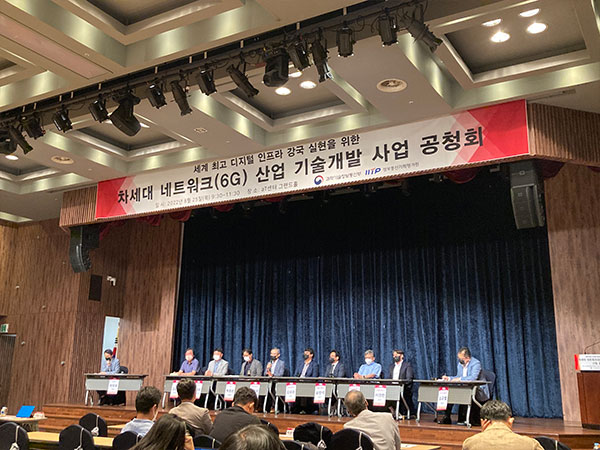
과기정통부 심규열 팀장은 “사업을 하는것은 기술개발에 멈추지 않고 많은 산학연이 결합해 시너지를 내서 6g 시대를 리드해나가자”며, 대기업 및 중소, 중견기업이 개방형 협업을 통해 함께 논의하고 협력하는 추진체계가 필요하다고 말했다.
또한 심 팀장은 5G 시기 이뤄지지 못했던 전략적 대응도 보완 필요하며, 고객에게 6G를 더 이상 속도로 설명하는 것은 의미가 없고, 6G의 방향성을 설명하는 새로운 방법을 고민해봐야 할 것이라고 주장했다.
마지막으로 정부의 디지털 인재 100만 양성을 비롯해 5G·6G 인재가 올 수 있도록 산학연이 함께협의해 글로벌 시장을 선도하며, 비전 있는 환경을 마련해야 한다고 말했다.
이번 공청회는 산학연의 결의를 다지고 방향성을 협의한 자리로써 의미가 있다고 보여진다. 앞으로의 글로벌디지털 인프라 강국 실현을 위해 6G 기술개발 및 표준화, 나아가 상용화에 있어 산·학·연의 행보가 기대된다.

관련뉴스
-
.jpg)
삼성전자, 5월 ‘6G 포럼’ 첫 개최...5G 뛰어넘어 6G의 미래로
5G를 넘어 6G 미래기술을 선점하기 위한 주도권 경쟁이 중요해지는 가운데 삼성이 관련 기술을 논의하고 공유하는 자리를 마련했다.
2022-04-15 오전 8:45:36by 권신혁 기자
-
UNIST, 6G 저전력·초고속 반도체 소자 개발
UNIST 전기전자공학과 김명수 교수는 미국, 프랑스, 이스라엘 연구진과 공동으로 저전력 초고속 아날로그 스위치를 개발했다.
2022-06-07 오후 4:46:48by 김예지 기자
-
"반쪽 짜리 5G, 고도화냐 대안이냐" 국회 첫 28GHz 정책 토론
과학기술정보방송통신위원회(과방위) 김영식(국민의힘), 변재일(더불어민주당) 의원이 주관하고 국회 미래정책연구회가 주최하는 ‘바람직한 5G 정책 방향 토론회’가 국회 의원회관에서 21일 열렸다.
2022-06-22 오전 10:05:22by 김예지 기자
-

과기부, 6G 국제표준화 선도
과기부는 지난 13일부터 24일까지 스위스 제네바에서 개최된 제41차 국제전기통신연합 이동통신작업반(ITU-R WP5D) 회의에서 우리나라는 6G 비전 및 미래 기술 연구에 대한 '6G 미래 기술 트렌드 보고서' 개발을 완료했다고 밝혔다.
2022-06-28 오전 9:51:08by 김예지 기자
-
과기부, 이음5G 프로젝트 480억 투입
과학기술정보통신부와 한국지능정보사회진흥원, 정보통신산업진흥원은 ‘5G 이동통신 융합서비스 프로젝트’ 실증과제에 착수한다고 지난 29일 밝혔다. 이번 프로젝트는 3개 실증 사업으로 구성됐으며, 공공·민간 분야에 올해 총 480억원을 투입해 11개 과제를 실증한다.
2022-07-01 오전 9:34:53by 김예지 기자
-

SKT, 코어망 고도화…6G 기반 마련
SK텔레콤이 에릭슨과 초고속·대용량의 5G 서비스를 위한 패킷 가속 처리, 경로 최적화, 다중 흐름 제어 등 최신 기술들이 적용된 코어망을 상용화했다고 21일 밝혔다.
2022-07-25 오후 4:02:07by 김예지 기자


많이 본 뉴스

[열린보도원칙] 당 매체는 독자와 취재원 등 뉴스이용자의 권리 보장을 위해 반론이나 정정보도, 추후보도를 요청할 수 있는 창구를 열어두고 있음을 알려드립니다.
고충처리인 장은성 070-4699-5321 , news@e4ds.com