SKT-철도연, 5G 열차 자율주행 '저지연 통신 테스트' 성공
기사입력 2022.10.25 08:48
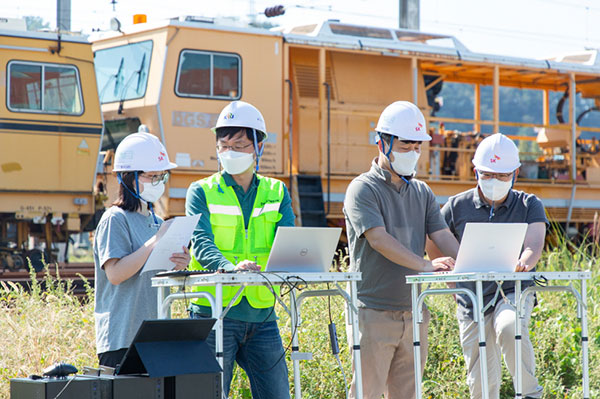
열차 운행정보 실시간 송수신 등 저지연 통신 기능
5G 에지 클라우드 적용…일반比 약 20% 지연 단축
SK텔레콤과 한국철도기술연구원이 열차 자율주행 초저지연 서비스 구현에 나선다.
SK텔레콤은 한국철도기술연구원이 개발한 열차 자율주행 핵심기술 ‘5G 차상통신장치’에 5G 에지 클라우드 및 5G 품질 최적화 기술을 적용해 저지연 통신 테스트에 성공했다고 24일 밝혔다.
‘5G 차상통신장치’는 열차 스스로 주행 안전거리를 확보할 수 있도록 열차간 운행정보를 실시간 송수신하는 기술로, 안정적인 저지연 통신이 필요하다.
철도연은 저지연 통신의 철도 이용을 위해 ‘5G 차상통신장치’를 개발하고, 이를 활용한 열차간 저지연 통신 기능은 SKT ‘5G 에지 클라우드’에 구현했다.
SKT와 철도연은 충북 오송에 위치한 철도연 철도종합시험선로에서 열차의 자율주행 통신 상황을 구현해 열차 자율주행에 필요한 열차간 저지연 데이터 송수신 테스트를 진행했다.
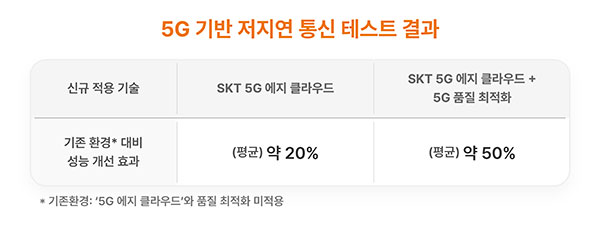
‘5G 에지 클라우드’는 5G와 클라우드가 만나는 최단 경로에 위치해 네트워크 지연을 최소화한다. SKT는 테스트를 통해 ‘SKT 5G 에지 클라우드’ 적용 시 일반 클라우드 대비 약 20% 지연이 감소되는 효과를 확인했다고 전했다.
또한 자율주행에 필요한 종단간 서비스 지연 요건을 위한 테스트에서 오송역 부근 5G 기지국에 지연 품질 최적화 기술을 추가적으로 적용해 기존 대비 약 50% 지연시간을 단축했다.
김명국 SKT 클라우드 사업 담당은 “당사의 에지 클라우드와 5G 최적화를 통해 자율주행과 같은 신뢰성이 필요한 초저지연 서비스가 가능함을 실증했다는 점에 의의가 있다”며, “앞으로도 열차, 차량, 선박, 로봇 등 자율주행 기술 도입에 필수적인 통신과 에지 클라우드를 제공하기 위해 다양한 국내외 파트너사들과 협력하겠다”라고 밝혔다.
한석윤 철도연 원장은 “선진 철도국을 중심으로 열차제어기술이 무선통신망을 통해 열차 간 필요 정보를 직접 주고받는 열차자율주행 시스템으로 이동 중이다”며, “수송력을 높이고, 운행 간격을 단축하는 열차자율주행 시스템을 미래 명품 K-철도기술로 만들겠다”고 밝혔다.

관련뉴스
-
SKT, 이통사 기지국 AI 기술 적용...6G 초석
SKT는 글로벌 이동통신 네트워크 제조사 에릭슨과 AI 기반 무선망 적응(Link Adaptation) 기술 성능 검증을 마치고, 해당 기술을 자사 상용망에 본격 적용했다.
2022-09-15 오후 3:43:47by 김예지 기자
-
.jpg)
SK 테크 서밋 2022 개최…사전 등록 시작
SK텔레콤이 관련 웹사이트(www.sktechsummit.com)에서 'SK 테크 서밋 2022' 참가 등록을 시작한다고 11일 밝혔다. 행사는 ‘SK의 기술이 만들어 가는 더 나은 미래’를 주제로 서울 광진구에 위치한 워커힐 호텔에서 오는 11월 8~9일 양일간 개최된다.
2022-10-11 오전 11:27:48by 김예지 기자
-

SKT ‘팀스튜디오’, 버추얼 프로덕션 컨소시엄 구성
SK텔레콤의 ‘팀(TEAM)스튜디오’가 국내 주요 버추얼 프로덕션(Virtual Production) 업체들과 컨소시엄을 이루고 미디어 생태계 확장을 본격화한다.
2022-10-13 오후 4:27:23by 김예지 기자
-

SKT, 개발자 커뮤니티 ‘데보션’ 앱 출시
SK텔레콤이 SK ICT패밀리 소속 개발 전문가들과 외부 개발 인재간 소통을 위해 만든 개발자 커뮤니티 '데보션(DEVOCEAN)' 앱 버전을 출시했다.
2022-10-14 오후 12:07:21by 김예지 기자
-
SKT-한수원, ‘이음5G’ 적용 원전 재난대응 역량↑
SK텔레콤과 한국수력원자력이 연내 경북 울진에 위치한 한울원자력발전소(이하 한울원전)에 5G 특화망을 적용하는 ‘5G 융합서비스 발굴 및 공공선도 적용’ 사업을 함께 추진한다.
2022-10-19 오후 2:22:33by 김예지 기자

.jpg)
많이 본 뉴스

[열린보도원칙] 당 매체는 독자와 취재원 등 뉴스이용자의 권리 보장을 위해 반론이나 정정보도, 추후보도를 요청할 수 있는 창구를 열어두고 있음을 알려드립니다.
고충처리인 장은성 070-4699-5321 , news@e4ds.com