SW가 이끄는 '디지털 치료' 2020년 첫 발 내딛을 것
기사입력 2020.01.15 20:50
인공지능·빅데이터 등 접목한 SaMD 시장 지속 성장
이미지 분석·PTSD 치료·로봇 수술·맞춤 케어에 활용
한국, 5G 네트워크로 글로벌 AI 헬스케어 시장 선도
최근 헬스케어 산업에서는 빅데이터, 클라우딩, 인공지능 등 소프트웨어를 접목한 SaMD(Software as Medical Device)서비스가 주목을 받고 있다.
헬스케어는 클라우딩 기술과 빅데이터 수집·분석 기술의 발전에 힘입어 의료기관 운영자동화, 정밀 수술 지원, 질병·사망발생률 예측 등 향후 10년 내 새로운 형태의 의료서비스를 제공할 것으로 기대된다.
미국 투자기업 Benhamou Global Ventures는 오는 2021년 헬스케어 분야에 대한 인공지능 투자액이 66억 달러에 이를 것으로 추정하고 있으며 컨설팅 업체 액센츄어는 인공지능 기술의 영향으로 2026년까지 연간 1,500억 달러를 절감할 수 있을 것으로 예측했다.
한국보건산업진흥원에 따르면 지난 2015년 인공지능 헬스케어 글로벌 시장규모는 71.3백만 달러(한화 약 800억 원)에서 2020년에는 754.7백만 달러(한화 약 8,475억 원)로 급성장할 것으로 예상된다.
특히 헬스케어 산업은 전체 인공지능 시장 중 CAGR(연평균성장률)이 60.3%에 달해 성장성이 가장 높은 분야다.
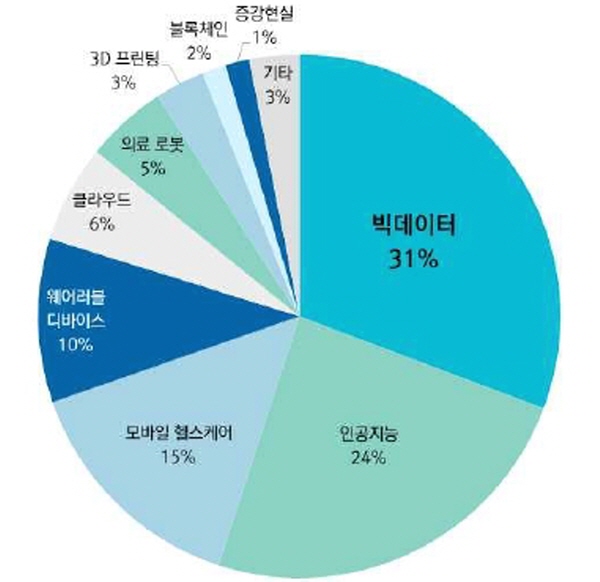
▲ 헬스케어 산업에 영향을 미칠 ICT 기술 <자료=프로스트앤설리번>
헬스케어 기술별 시장규모는 딥러닝을 포함한 기계 학습이 약 69.3%의 점유율을 차지하며 가장 높았고 뒤이어 자연어처리(16.5%), 이미지인식(13.3%), 음성인식(0.9%) 순으로 집계됐다.
구글과 IBM 역시 인공지능의 최우선 활용분야로 헬스케어 산업을 지목했다. IBM에 따르면 한 명의 개인이 일생 동안 만들어내는 의료 정보 데이터의 양은 100만 기가바이트에 달하는 것으로 나타났다.
의료 이미지 분석에 활용되는 인공지능
의료 인공지능의 유형은 크게 ▲복잡한 의료 데이터의 분석 및 insight 도출 ▲영상의료 및 병리 데이터 분석·판독 ▲연속 데이터의 모니터링 및 예방·예측 등 세 가지로 나뉜다.
실리콘밸리 병원의 한 의사는 “메디컬 이미지는 더 이상 인공지능이 얼마만큼 인간처럼 해내는가에 주목하지 않는다”며 “의료 인공지능이 단순히 정확하다는 것과 의사만큼 잘 치료할 수 있다는 것은 다른 개념이다”고 말했다.
인공지능은 이제 환자의 질환을 얼마나 잘 예측해내는지 의사의 의료행위를 어떻게 돕는지 등에 초점을 맞추고 있다.
실제 의료 산업계의 발전속도를 보면 이미지 분석에 인공지능을 활용하는 사례가 가장 많았다. 영상의학과, 병리과 등에서는 피부암 판독, 당뇨병 망막변증 판독, 대장내시경에서의 용종 발견 보조 등에 인공지능을 활용하고 있다. 오는 20203년까지 인공지능을 활용한 의료 영상 판독 기술분야의 시장 규모는 20억 달러(한화 약 2조원)에 이를 것으로 예상된다.
.jpg)
▲ 이미지 분석에 인공지능을 활용한 사례가 지속 증가하고 있다
VR·AR 기술로 외상 후 스트레스 장애 치료
의료계에서는 최근 PTSD(외상 후 스트레스 장애) 치료에 VR·AR 등 소프트웨어 기술을 활용하고 있다. PTSD 환자들이 갖는 큰 특징 중 하나가 과거의 고통스러웠던 기억을 떠올리기조차 힘들어 한다는 점에 주목해 접근한 의료기술이다.
연구결과에 따르면 20명의 환자들은 VR·AR 등을 활용한 치료를 받은 후 유의미한 개선효과를 보였으며 20명 중 16명은 치료 후 더 이상 PTSD를 겪지 않은 것으로 나타났다.
VR·AR을 활용한 치료는 이미 미국 등에서 사용되고 있는 치료법으로 전체 환자의 PCL-M 평균 수치가 치료 후 35.6(기존 54.4)까지 줄어든 것으로 집계됐다.

▲ VR·AR을 활용한 PTSD 치료 후 환자들에게서 유의미한 효과가 나타났다
5G 네트워크로 국내 인공지능 헬스케어 성장
디지털 헬스케어는 5G 기술 상용화 시대에 접어들며 더욱 가파른 성장세를 기록할 것으로 예상된다. 에릭슨의 조사에 따르면 5G 기술을 적용한 디지털 헬스케어 시장은 오는 2026년 760억 달러로 성장할 것으로 전망된다.
5G서비스는 기기 간 대기시간을 0.002초로 줄여 의사가 환자 바로 옆에서 수술을 집도하는 효과를 가져온다. 중국에서는 이미 5G 통신망을 통해 파킨슨 병을 앓고 있는 환자를 대상으로 뇌 자극장치를 삽입하는 원격 수술에 성공해 의미를 더한다.
국내 인공지능 헬스케어 시장 점유율은 미국, 일본, 유럽 등에 비해 낮은 편이지만 5G, ICT 인프라 등을 기반으로 빠른 성장속도를 보일 것으로 전문가들은 예상하고 있다.
Markets and Markets 보고서에 따르면 한국의 인공지능 헬스케어 시장점유율은 5.7%로 미국(32.1%), 독일(8.8%), 중국(8.5%), 영국(7.1%)에 비해 뒤처지지만 한국과학기술정보연구원이 발표한 마켓리포트에 따르면 국내 인공지능 헬스케어 시장의 CAGR은 70.4%로 세계 인공지능 헬스케어 시장의 연평균성장률(60.3%)보다 높았다.
5G 네트워크는 신속 정확한 정밀 진단, 일관성 있는 개인별 맞춤형 질병 예측·예방, 시공간의 제약 없는 측정 및 진료를 현실화하는데 기여한다.
딥러닝, 영상·자연어 처리 기술, 음성인식, 통계분석, 빅데이터, 클라우딩, 로보틱스 등을 적용한 의료계는 진단영상, 헬스케어IT, 의료기기, 의약품 등에 ICT 기술을 활용해 의료 서비스 질 향상에 나서고 있다.
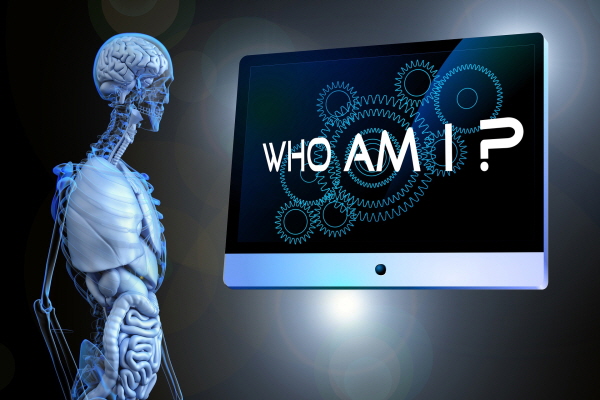
▲ 한국의 인공지능 헬스케어 시장의 CAGR은 글로벌 시장의 평균보다 높게 나타났다
디지털 헬스케어 고령화 사회문제 해결책으로 각광
한국은 세계에서 가장 빠른 고령화 추세(평균 3.3%)를 보이는 국가로 디지털 헬스케어 시장은 국민 의료비 절감에도 기여할 것으로 보인다. UN보고서에 따르면 질병 발병 형태가 감염성 질환에서 만성질환으로 변하고 있는 것으로 나타났다.
만성질환의 주요 원인이 잘못된 생활습관이란 점을 고려하면 인공지능 기술의 발전은 질환 발현시기 예측 또는 개인 맞춤형 진단 및 생활정보 제공 등에 활용돼 질병 예방에 도움을 줄 것으로 예상된다.
인공지능이 탑재된 웨어러블 디바이스를 착용해 심전도를 측정하고 패혈증을 예측하는 일은 이미 우리 일상 속에서 일어나고 있는 현실이다. 디지털 의료의 목표가 일상적인 치료가 되는 것이라는 시각에서 디지털 치료제 시장의 가치는 무궁무진하다고 볼 수 있다.

▲ 디지털 헬스케어는 의료비 절감을 가져와 고령화 사회문제 해결에도 기여할 것으로 기대된다
2020년 디지털 치료제 산업의 원년
산업통상자원부는 2020년 주요 키워드로 디지털 치료제를 꼽았으며 식약처에서는 가이드라인 마련 계획을 밝혔다. 전문가들은 2020년이 국내 디지털 치료제 산업의 원년이 될 것으로 예상하고 있다.
또한 인공지능을 활용한 국내 의료기기 스타트업이 세계 시장에서 인정받고 있어 한국의 스마트 의료시장은 성장 가능성이 매우 높다고 할 수 있다. 여기에 디지털 헬스케어의 핵심요소 중 하나인 초고속·초저지연을 충족하는 5G 기술 네트워크를 보유한 점 또한 긍정적 신호로 작용한다.
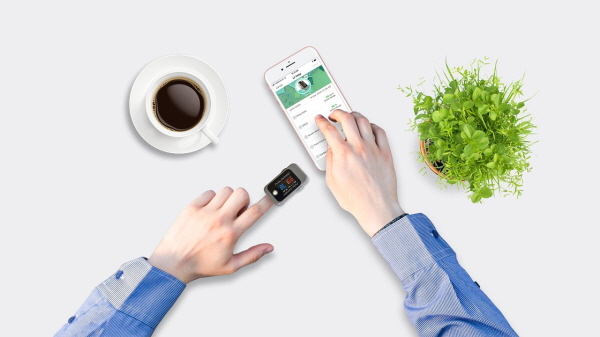
▲ 국내 디지털 헬스케어 시장은 5G·ICT 인프라를 기반으로 빠르게 성장할 것으로 예상된다
아직 국내에서는 각 병원별로 상이한 의료용어나 서식을 사용하고 있어 인공지능 활용에 걸림돌로 작용하고 있다. 뿐만 아니라 의료산업이 환자의 개인 정보를 다루는 분야인 만큼 프라이버시 문제 역시 극복해야 할 과제로 남아 있다.
그러나 스마트 기기나 센서 기술을 통해 일상에서도 손쉽게 자신의 식사량이나 혈압, 운동량 등 건강상태를 기록하고 관리하는 일명 자가 건강 측정 트렌드가 지속 확산되는 추세로 미뤄 볼 때 디지털 헬스케어 분야는 새로운 시장 창출의 기회로 작용할 가능성이 높아 보인다.
최인영 기자
관련뉴스
-

유망한데 가망없는 스마트 헬스케어 산업 중요한걸 중요하게 보지 않는 정부
우리나라의 국민건강보험은 전 세계 어디에 내놔도 부러움을 살만한 제도다. 그러나 최근 시대적인 흐름의 변화로 재정 부담이 급증하고 있다. 올해부터 건강보험 당기 수지는 적자가 예상되며, 5년 내 누적흑자가 고갈될 것으로 예상된다. 따라서 보험료 인상이 불가피하다. 내년에는 3.5%가 인상된다. 국민의 의료비 부담을 덜어주기 위해 시작된 국민건강보험이 본래의 취지에서 점점 어긋나고 있는 것이다. 문제는 돈은 돈대로 쓰는데 효과는 안 나고 있다는 것이다. 국민의 의료비 부담을 덜고 의료 서비스의 효율성을 높이기 위해선 스마트 헬스케어 산업의 육성이 필수불가결적이다. 안타깝게도 관심만큼의 정책적 지원은 부족한 실정이다.
2018-12-24 오후 3:45:11by 이수민 기자
-
맥심, 소형 헬스케어 애플리케이션 위한 PPG-ECG 통합 바이오센서 모듈 출시
맥심 인터그레이티드가 MAX86150을 출시했다. MAX86150은 내장형 LED, 광 검출기, ECG 아날로그 프런트 엔드(AFE)로 구성되며, 이를 통해 휴대폰, 노트북, 태블릿, 스마트 스피커 등 저전력 소형 설계를 가능케 한다. MAX86150은 ECG 센서와 광학 PPG 센서를 통합해 독립형 ECG 센서와 동일한 크기로 공간을 절약한다. 제 3전극 없이도 더욱 많은 기능을 제공한다.
2019-01-16 오전 9:01:58by 이수민 기자
-

유망한데 가망없는 스마트 헬스케어 산업 데이터 인프라 구축이 필요하다
문재인 정부의 의료보장성 확대 정책은 의료비 하락을 통해 의료접근성을 개선하는 것에 초점을 맞췄다. 그러나 만성질환 유병률이 날로 높아지는 이 시대에 의료비 하락은 국민 건강의 증대에 큰 영향을 끼치지 못한다. 근본적인 해결방안은 헬스케어의 효율성을 개선하는 것이다. 헬스케어의 효율성은 빅 데이터의 적절한 활용과 큰 관련이 있다. 우리는 이 빅 데이터를 어떻게 해야 문제없이 효과적으로 사용할 수 있을지 고민해봐야 하는 시점에 온 것이다.
2019-01-21 오후 2:31:14by 이수민 기자
-
정부, 바이오헬스 산업 혁신전략 발표… R&D에 4조원 투자
의약품·의료기기 등 바이오헬스 산업은 미래 성장가능성과 고용 효과가 크고, 국민건강에도 이바지하는 유망 신산업이다. 정부는 바이오헬스를 비메모리 반도체, 미래형 자동차와 함께 차세대 3대 주력산업 분야로 중점 육성하여, 세계시장 선도기업 창출 및 산업생태계를 조성할 방침이다. 이에 따라 환자 맞춤형 신약과 새로운 의료기술 연구개발에 활용할 최대 100만 명 규모의 국가 바이오 빅데이터가 구축된다. 혁신신약과 의료기기 개발 등을 위한 정부 R&D 투자가 2025년까지 연간 4조 원 이상으로 늘어난다.
2019-05-22 오후 6:19:50by 이수민 기자
-
KT, 삼성병원에 세계 최초 5G 의료서비스 시작
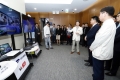
KT와 삼성서울병원이 세계 최초로 의료행위에 5G 서비스를 활용한다. 기업전용 5G를 통해 수술실 내 자율주행 로봇이 비품과 폐기물을 나르고 AI서비스로 병실 환자를 케어하는 동시에 5G 싱크캠으로 집도의의 수술장면을 고화질로 실시간 전송한다. 양사는 5G 스마트 혁신 병원 구축을 목표로 협력을 지속할 계획이다.
2020-01-14 오전 10:36:20by 최인영 기자

많이 본 뉴스

[열린보도원칙] 당 매체는 독자와 취재원 등 뉴스이용자의 권리 보장을 위해 반론이나 정정보도, 추후보도를 요청할 수 있는 창구를 열어두고 있음을 알려드립니다.
고충처리인 장은성 070-4699-5321 , news@e4ds.com