새로운 10년을 여는 2020년 핵심 ICT 트렌드 TOP 9
기사입력 2020.01.13 11:33
2020년, AI 시대로 기억될 2020년대 원년
5G, 자율주행차량, VR/AR, 로봇 기술 중요해져
AI를 활용한 범죄 증가 및 가짜뉴스 횡행 저지해야
중국의 부상과 미국발 보호무역주의 기조 확산은 2020년에도 어김없이 이어질 전망이다.
진전없는 브렉시트는 EU 내에서 꾸준히 혼란을 일으키고 있으며, 남미의 경제 혼란은 여전하고, 중동의 정세는 테러로 어지럽다. 한일(韓日)의 상호 경제 제재 역시 해결의 기미가 좀처럼 보이질 않고 있다.
주요 국가들은 내부적으로 치솟는 고령화와 실업률, 빈부 격차율에 고심하고 있으며, 기업들은 새로운 먹거리 창출에 나서고 있으나 불필요한 규제 등이 산재해 있어 쉽지 않아 보인다.
미래에 대한 불확실성이 인류의 앞날을 구름처럼 가리고 있는 가운데, 2020년 1월을 전후로 각 기관과 기업은 저마다 2020년 트렌드를 발표했다.
가트너는 2019년 10월, 2020년 10대 전략 기술 트렌드로 ▲초자동화(Hyperautomation) ▲다중 경험(Multiexperience) ▲전문성의 민주화(Democratization of Expertise) ▲인간 증강(Human Augmentation) ▲투명성 및 추적성(Transparency & Traceability) ▲자율적인 에지(The Empowered Edge) ▲분산형 클라우드(Distributed Cloud) ▲자율 사물(Autonomous Things) ▲실용적 블록체인(Practical Blockchain) ▲AI 보안(AI Security)을 꼽았다.
'20년 10대 전략 기술 트렌드 핵심은? "인간과 공간"
정보통신기획평가원(IITP)은 2019년 11월, 5G를 한국 ICT 발전의 중심축으로 보고 △AI 활용 보편화 가속 △위기와 기회가 공존할 2020년 대한민국 반도체 산업 △새로운 모빌리티 제품·서비스 등장 △ICT 신성장 돌파구 될 규제개혁 △구독경제 위시한 ICT 신소비 트렌드 확산 △플랫폼 노동과 자동화·무인화의 확산 △지속 가능 환경을 위한 친환경 ICT 혁신 △글로벌 보호무역주의 확산으로 촉발될 국내 ICT 혁신 △대중 무역의존도 탈피하기 위한 신남방·신북방 정책을 2020 ICT 10대 이슈로 선정했다.
가트너, IITP 외에도 MIT, 세계경제포럼, 포브스 등이 각각 2020년 전망을 발표한 가운데 한국정보화진흥원(NIA)이 이를 모두 취합한 ‘IT & Future Strategy 보고서’를 내놓고 2020년 ICT 기반 9대 트렌드를 전망했다.
.jpg)
▲2020 ICT 트렌드 전망 프레임워크 (표=NIA)
다음은 2020년 ICT 기반 9대 트렌드를 정리한 것이다.

1. AI 시대로 기억될 2020년대
1990년대 이후로 ICT는 10년 주기로 새로운 시대를 열었다. 90년대는 PC 시대, 2000년대는 인터넷 시대, 2010년대는 모바일 시대였다. 그리고 2020년대는 AI 시대가 될 전망이다.
AI는 저성장의 늪에 빠진 세계 경제에 새로운 모멘텀으로 작용할 것이다. 이미 AI 기술은 비즈니스의 지능화, 최적화, 효율화를 끌어내는데 활용되는 등 기업 경쟁력의 원천 기술로 자리 잡았다. 또 컴퓨팅 기술의 발전으로 AI 기술 역시 여전히 발전의 여지가 있다.
PwC는 2018년 2월, 2030년 전 세계 GDP를 114조 달러로 추정했는데, AI 활용이 늘어나면 최대 14%(약 15.7조 달러) 더 향상될 수 있다고 분석했다.
이제 AI는 그 자체가 물리적 자본이며 노동력을 대체할 수 있는 기술로서 단순히 생산성 강화 도구가 아닌 새로운 생산요소로 부상하고 있다.

2. 산업 성장, 5G와 자율주행차량이 이끈다
전 세계적으로 5G 상용화가 시작되고 있으며 관련 시장은 급속한 성장을 이룰 것이다. 이미 국내와 미국, 중국에선 5G 서비스 확산에 집중하고 있다. 일본 역시 2020 도쿄 올림픽 개막 전 5G 상용화를 목표로 하고 있다.
에릭슨은 2019년 11월, 전 세계 5G 가입 건수가 2025년에는 26억 건에 이를 것으로 예측했다. 2019년 8월, 가트너는 2020년 전 세계 5G 인프라 매출이 약 42억 달러에 달할 것으로 전망했다.
2020년 5G 인프라 매출액, 2019년 2배에 달할 것
곧 5G 상용화 시대 1주년? 아직은 4.5G 시대다
완성차 업계에서는 2020~2022년 사이에 레벨 3 자율주행차량 상용화를 목표로 기술 개발에 매진하고 있다. 레벨 3 자율주행은 자율주행 시스템이 운전의 모든 측면을 제어하며, 특정 상황에서만 운전자의 개입이 필요한 조건부 자동화 단계다.
IHS는 2018년 1월, 글로벌 자율주행차량 판매량이 2021년 51,000대에서 2040년 3,300만대 이상으로 증가할 것으로 예상했다.
우리 정부는 2019년 10월, ‘2030 미래차 산업 발전전략’을 발표하면서 자율주행차량을 활용한 공공서비스를 개발하여 공공 수요를 창출하고 2025년부터 시범사업을 추진하겠다고 밝힌 바 있다.
한국, 2027년까지 레벨 4 자율주행 인프라 완비한다

3. 금융 분야에서 신뢰 기술로 떠오르는 블록체인
금융 기업들의 블록체인 도입 확대로 블록체인 시장 성장이 예상된다. 스태티스타는 2018년 12월, 전 세계 블록체인 기술의 시장 규모가 2018년 12억 달러에서 2023년 233억 달러로 연평균 80% 이상 성장할 것으로 전망했다.
글로벌 마켓 인사이트는 2019년 11월, 블록체인 시장 규모가 2025년에 250억 달러에 달할 것으로 예상했다. 현재 블록체인 기술은 지불(Payment)과 거래(Exchanges) 시스템에서 가장 많이 활용되고 있다.
한국과학기술기획평가원(KISTEP)의 박소영 부연구위원은 2018년 12월, 금융 분야 외에도 보험업계, 공유서비스 중심으로 블록체인 기반의 스마트 컨트랙트(Smart Contract) 비즈니스 모델이 출현할 것으로 내다봤다. 가트너는 2022년에는 글로벌 기관 중 25% 이상이 단순한 계약은 스마트 컨트랙트를 사용할 것으로 예상했다.
국내에서도 블록체인 기반 비즈니스 모델 사례를 찾아볼 수 있다. 삼성SDS와 LG CNS는 각각 ‘넥스레저(Nexledger)’와 ‘모나체인(Monachain)’ 등 기업용 프라이빗 블록체인 플랫폼을 출시했으며, 카카오는 2020년 상반기에 퍼블릭 블록체인 플랫폼인 ‘클레이튼(Klaytn)’의 암호화폐 지갑인 ‘클립(Klip)’을 출시할 예정이다.
4. 실감 콘텐츠와 가상화폐의 활성화
차세대 이동통신 기술은 콘텐츠와 커뮤니케이션 판도를 바꿀 만큼 큰 영향력을 미친다. 3G로 인해 영상통화가 활성화됐고, LTE로 인해 유튜브·넷플릭스 등 실시간 동영상 스트리밍(Over The Top Service; OTT)이 대중화됐다.
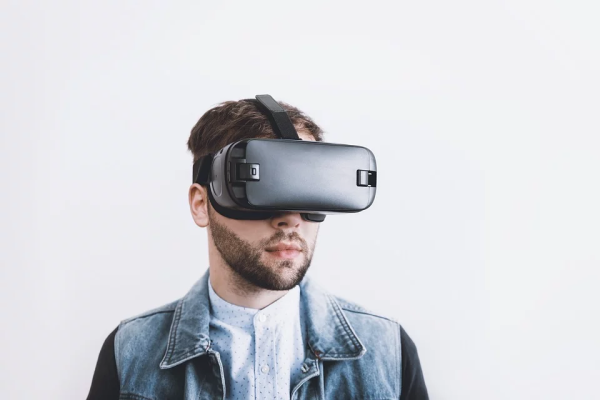
5G 시대에는 게임, 교육, 의료, 제조, 전자상거래 등의 분야에서 VR·AR 기술을 활용한 실감 콘텐츠가 활용될 것이다. 실감 콘텐츠는 인간과 디지털 세계가 상호 작용하는 방식을 바꾸면서 산업, 엔터테인먼트, 미디어 등으로 확장되어 빠르게 성장할 것으로 기대된다.
IDC는 2019년 11월, 전 세계 VR/AR 지출이 2019년 105억 달러에서 2020년 188억 달러로 약 79% 증가할 것으로 예상했다. VR은 컨슈머 부문에서, AR은 산업 부분에서 활용이 더 클 것이다.
2020년에는 미중 가상화폐 패권경쟁을 시작으로 글로벌 결제체계에서도 혁신이 일어날 전망이다. 페이스북은 2019년 6월, 글로벌 디지털 가상화폐 사업인 ‘리브라 프로젝트(Libra project)’를 공식적으로 발표했다.
중국인민은행이 법정 디지털 통화(Central Bank Digital Currency; CBDC) 발행을 추진하고 있는 가운데 중국 정부는 2019년 10월, 암호자산법을 제정하며 법정 디지털화폐 발행 준비 완료를 표명했다.
중국인민은행 판이페이(Fan Yifei) 부행장은 2019년 11월, 중앙은행 차원에서 법정 디지털화폐 관련 시범사업실시 방침을 언급했으며, 프랑스은행은 2020년에 CBDC(Central Bank Digital. Currency) 프로젝트를 시작하고, 한국은행도 디지털화폐 발행을 검토할 계획이다.
5. 개인 로봇의 부상
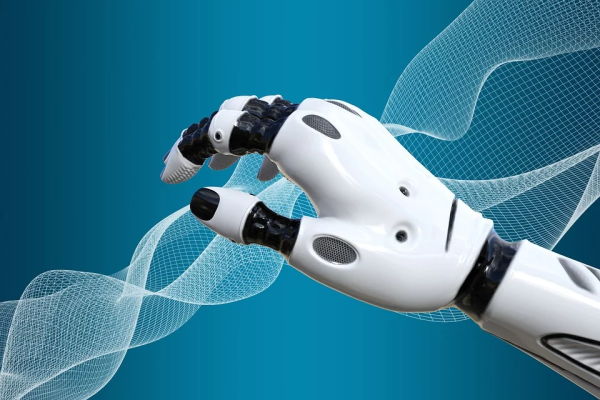
로봇은 PC, 스마트폰 이후 차세대 디바이스가 될 가능성이 큰 기기로 꼽히고 있다. 이미 일상에 깊게 파고든 AI 스피커, AI 가전 등 생활 속 스마트 디바이스에 커뮤니케이션 기능과 움직임만 더한다면 개인 로봇 형태로 발전할 수 있다.
또한, 로봇을 전면에 내세운 2020 도쿄 올림픽을 계기로 생활 서비스 로봇에 관한 관심이 커질 것이다. 국제로봇연맹(IFR)은 2019년 9월, 개인 및 가정용 서비스 로봇 시장의 시장 규모가 2019년 46억 달러에서 2022년 115억 달러에 이를 것으로 예상했다.
로봇의 역할은 인간을 보조하는 것에서 반려까지 확대될 전망이다. 한국정보화진흥원(NIA)은 2017년 11월, 고령화, 1인 가구 증가 등으로 인구구조 변화뿐만 아니라 인간관계 및 커뮤니케이션 등 사회·문화의 변화에 따라 ‘컴패니언 로봇(Companion robot)’의 수요 증가할 것으로 예상했다.

6. 미래 산업 움트는 지금, 앞서가는 규제철폐 필요하다
미래지향적인 규제 패러다임의 전환 필요성이 커지고 있다. 세계지식재산기구(WIPO)의 ‘세계혁신지수(Global Innovation Index) 2019’에 따르면 2019년 한국의 세계혁신지수는 11위지만, 규제환경지수는 45위를 기록했다. 시의성 있는 규제 혁신이 이뤄지지 않으면 글로벌 미래 성장 산업 경쟁력이 퇴보할 수 있다.
KPMG가 세계 25개국을 대상으로 평가한 ‘2019년 국가별 자율주행차 준비지수(2019 Autonomous Vehicles Readiness Index)’에서 한국은 13위를 기록했다. 1위는 네덜란드였으며 싱가포르, 노르웨이, 미국, 스웨덴, 핀란드, 영국, 독일, UAE, 일본, 뉴질랜드, 캐나다 다음이었다. 4가지 평가항목 중 정책과 입법(16위), 소비자 수용성(19위)이 기술과 혁신(7위), 기반 설비(4위)보다 미흡한 것에 따른 결과였다.
기술 혁신을 위한 선진적인 법률, 지침 등 법제도 기반 연구도 중요하다. 싱가포르는 최신 기술을 적극적으로 수용하기 위해 여러 협력자와 실제 같은 테스트단지에서 실험을 거듭하여 제도와 규제를 혁신하고 있다.

7. 가짜뉴스 창궐 경계해야
2020년은 한국(총선, 4월), 미국(대선, 11월)을 비롯해 영국(지방선거), 프랑스(지방의회 총선거), 폴란드(대선) 등 주요국 선거가 치러지는 해다. 이에 따라 가짜뉴스의 확산(Fake-demics)을 경계해야 한다. 한 연구에 따르면 2016년 미 대선 당시 유권자 27% 정도가 1회 이상 가짜뉴스를 접했으며 이는 불안, 사회 갈등과 신뢰 손상을 야기했다.
가짜뉴스는 사회안보에도 매우 큰 위험요소로 작용할 수 있다. 퓨 리서치 센터의 2019년 6월 발표에 따르면, 미국인들은 가짜뉴스를 테러리즘, 인종차별보다 더 큰 문제인 것으로 인식했다. 또 미국인의 68%는 가짜뉴스가 정부의 신뢰에 큰 영향을 줄 수 있다고 생각했다.
사회적 영향뿐만 아니라 신원 도용, 개인 디지털 정보를 조작한 가짜 메시지 작성으로 개인의 위험도 커질 수 있어 주의가 필요하다.

8. 기술 혁신으로 인한 부작용 막아야
기술이 지능화되고, 촘촘하게 연결될수록 부작용의 파급력이 높아지고 있다. 자율주행차량, 홈 IoT 등 네트워크에 연결된 거의 모든 것은 사이버 침해, 해킹 등 외부적인 공격 취약점 해결이 절실히 필요하다.
포브스는 2019년 9월, 2020년 7가지 위험 기술을 발표하며 그 부작용을 경고했다. 7가지 위험 기술은 ▲대량살상무기를 장착할 수 있는 ‘드론 군단’ ▲개인정보를 유출할 수 있는 ‘스마트홈 기기 감시’ 기술 ▲국민 감시용으로 쓰일 수 있는 ‘얼굴 인식’ 기술 ▲타인을 사칭할 수 있는 ‘AI를 통한 복제’ ▲AI로 효율성을 얻은 ‘랜섬웨어와 스피어 피싱’ ▲초소형 센서를 먼지처럼 뿌릴 수 있어 사생활 침해 우려가 있는 ‘스마트 더스트’ ▲AI로 가짜뉴스를 제작해 대량으로 살포할 수 있는 ‘가짜뉴스 봇’이었다.
위의 7가지 위험 기술 중 AI 기술 발전에 수혜를 입지 않은 기술은 없다고 봐도 무방하다. 따라서 AI의 권한과 책임, 편향성 문제, 설명 가능 AI에 대한 국제적 논의가 진행 중이다. OECD는 2019년 5월, 국제 수준의 합의가 이뤄진 최초의 AI 권고안을 발표했으며, 유네스코는 2019년 2월, AI 윤리 예비보고서를 발표하고 AI의 개발과 이용에 대한 국제적인 윤리 규범에 대해 논의하기도 했다.

9. 고령화에 따른 맞춤 의료 기술 수요 급성장
고령층 인구 증가에 따른 의료 서비스의 양적·질적 수요가 확산될 전망이다. 한국은 세계에서 고령화가 가장 빨리 진행되는 나라다. 통계청은 2019년 9월, 한국의 65세 이상 인구 비중이 2025년 20.3%, 2030년 25%, 2040년 33.9%, 2050년 39.8%로 점차 올라갈 것으로 예측했다.
고령화 사회가 될수록 개인과 사회의 의료비 지출이 증가한다. 이는 의료비 절감과 건강한 삶 영위를 위한 예방 중심의 맞춤형 의료 발전으로 이어진다. 한국보건산업진흥원(KHIDI)은 2018년 12월, AI를 의료에 접목하면 효과적인 진단 및 치료법 제시가 가능하다며, 이를 통해 헬스케어 난제들을 획기적으로 개선할 수 있을 것으로 기대했다.
얼라이드 마켓 리서치는 2018년, 세계 AI 헬스케어 시장이 2023년 227.9억 달러까지 성장할 것으로 예측했으며, 생명공학정책연구센터(BioIN) 역시 2018년, 정밀의료 세계 시장 규모가 2017년 53조5,000억 원에서 연평균 13.3%로 성장하여 2023년에는 112조9,000억 원 수준에 달할 것으로 내다봤다.
맞춤형 디지털 헬스케어를 넘어선 디지털 치료도 이젠 고려 대상이다. CES 2020을 주최하는 미국 소비자기술협회(CTA)는 2019년 10월, 2020년에 주목해야 할 5대 기술 트렌드 중 첫 번째로 디지털 치료(Digital Therapeutics)를 꼽았다.
디지털 치료는 시간과 장소에 구애받지 않으며, 어느 정도의 익명성이 보장돼 전통적인 기존 치료법이 적합하지 않았던 다양한 분야에 큰 도움을 줄 수 있다. 현재 AI, VR 등을 활용해 정신 건강과 관련된 장애나 질병을 치료하는 웨어러블 기기 및 소프트웨어가 다양하게 개발되고 있다.
다가올 10년을 바라보며
NIA 문용식 원장은 “이번에 선정된 트렌드 중에는 한 해 이슈로 끝나지 않고 5년, 10년을 바라봐야 할 주제들이 있다”라며, “2020년은 새로운 10년이 시작되는 해이자 AI 기술이 만들 새 물결을 앞둔 해인 만큼 ICT 잠재력 극대화가 국가사회 전반의 혁신성장과 사회적 가치 실현에 기여할 것”이라고 말했다.
문 원장의 말처럼 ICT 잠재력 극대화는 국가·기업 경쟁력의 원동력이며 AI, 5G, 로봇 등은 장기적인 사회적 관심이 필요한 분야들이다. 자율주행차량과 블록체인은 지금 당장은 상용화가 요원하지만 언젠가는 곧 실현될 일상이다. 불필요한 규제철폐, 고령화 및 기술 혁신 부작용 대비 등은 과거나 현재나 미래나 계속해서 중요한 현안으로 남을 것이다.
각국 정부와 기업은 지속적인 ICT 발전으로 2020년을 정치·경제적 이슈 및 사회·환경적 문제를 해결할 답안을 도출하는 해를 만들어야 한다. 그리고 답안을 도출하는 정부와 기업이 2020년대의 승자가 될 것이다.
이수민 기자
관련뉴스
-
'20년 10대 전략 기술 트렌드 핵심은? "인간과 공간"
인간 중심적인 스마트 공간에 초점을 맞춘 가트너가 기업들이 주목해야 할 2020년 10대 전략 기술 트렌드를 발표했다. 2020년 10대 전략 기술 트렌드는 두 가지 종류의 기술들로 이루어져 있다. 초기 상태에서 벗어나 보다 폭넓은 영향력과 활용 사례를 보이는 혁신적인 잠재력을 갖춘 신기술들 및 급격한 성장세를 자랑하며 향후 5년 내 정점에 달할 것으로 예상되는 기술들이다. 가트너가 제시하는 2020년 10대 전략 기술 트렌드는 초자동화, 다중 경험, 전문성의 민주화, 인간 증강, 투명성 및 추적성, 자율적인 에지, 분산형 클라우드, 자율 사물, 실용적 블록체인, 그리고 AI 보안이다.
2019-10-26 오전 7:01:20by 이수민 기자
-

CES 2020 관통하는 2020년 5대 기술 트렌드
미국 CTA는 세계 최대의 가전전시회 CES 2020 개막을 앞둔 지난 11월, 2020년에 주목해야 할 5대 기술 트렌드를 공개했다. CTA가 선정한 5대 기술 트렌드는 디지털 치료(Digital Therapeutics), 플라잉 카(Flying Cars), 미래 식품(The Future of Food), 안면인식(Facial Recognition), 로봇(Robots)이다.
2019-12-31 오전 11:31:54by 이수민 기자
-

2020년 엔터프라이즈 트렌드 10가지
2020년 엔터프라이즈 분야를 주도할 기술 트렌드는 인공지능, 머신러닝, 딥러닝, 디지털 전환 등이라는 분석 결과가 제시됐다. AI가 현실로 다가오면서 기업들은 데이터에 기반한 의사결정을 보다 많이 하게 되고 차세대 임베딩에 대한 수요도 점차 커져갈 것으로 예상된다.
2020-01-09 오후 4:51:14by 최인영 기자


많이 본 뉴스

[열린보도원칙] 당 매체는 독자와 취재원 등 뉴스이용자의 권리 보장을 위해 반론이나 정정보도, 추후보도를 요청할 수 있는 창구를 열어두고 있음을 알려드립니다.
고충처리인 장은성 070-4699-5321 , news@e4ds.com