커넥티드카·IoT 생태계 ‘IP 라이선싱 플랫폼’ 급부상
기사입력 2022.10.21 15:40
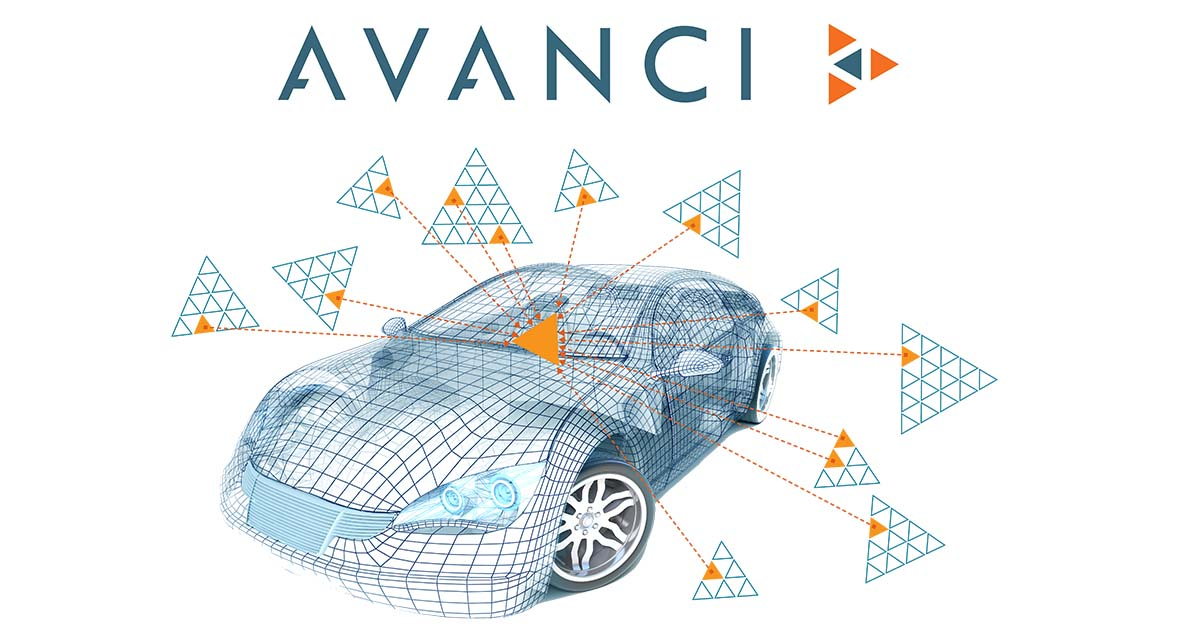
▲IP 라이선싱 마켓플레이스 기업 아반치(Avanci) (이미지-아반치)
기업들, IP 플랫폼 도입↑·분쟁無 효율↑
커넥티드카 이어 5G·IoT 분야 확장 예고
커넥티드카 이어 5G·IoT 분야 확장 예고
무선통신기술이 산업계 전반에 확대되며 커넥티드카, IoT 등 다양한 산업계 응용기술로 활용되고 있다. 이에 따라 향후 제품 개발과 설계 시 표준필수특허(Standard Essential Patent, SEP)에 대한 고려가 소송 및 분쟁 등 리스크 예방을 위해 중요할 것으로 전망된다.
표준필수특허(SEP)란 해당 기술을 이용하지 않으면 제품의 제조, 판매, 서비스가 불가능한 표준필수기술과 관련된 기술을 특허출원해 등록 결정된 것으로, ISO(국제표준화기구), IEC(국제전기기술위원회), ITU(국제전기통신연합) 등 국제기구에서 인증한 표준특허이다. 회피설계가 불가능해 해당 특허 기술을 이용하지 않고는 관련 제품의 생산이 불가능한 것이 핵심이다.
SEP에는 상당히 많은 특허 보유권자들이 있기에 개별적으로 접촉해 비용 등에 대해 협상을 진행하기 어렵다는 문제가 있다. 이에 IP 라이선싱 플랫폼을 통해 SEP 이용 협약을 체결하는 경우가 늘고 있는 추세이다.
IP 라이선싱 마켓플레이스를 운영하는 ‘아반치(Avanci)’에 따르면 아반치를 통해 SEP와 관련된 통신 기술을 적용한 커넥티드카가 1억대 이상이며 전체 판매 차량의 85% 이상이 라이선스를 받은 것으로 집계됐다고 밝혔다.
아반치 플랫폼은 2G~4G 통신 SEP를 보유한 퀄컴, 에릭슨 등 주요 통신기술 기업 5곳과 2016년 파트너십을 맺었다. 이후 5G기술을 상당량 보유한 LG전자와 KT, SK텔레콤 등 국내 통신 기업들도 특허풀에 가입하며 현재 52개 라이선스 제공자와 80개 이상의 자동차 브랜드가 아반치와 함께하고 있다.
빙 짜오(Bing Zhao) 아반치 아시아 PR 책임자는 “통합적인 특허 솔루션은 비용의 가시성과 예측성을 제공할 수 있으며, 불필요한 분쟁을 예방할 뿐만 아니라 양자계약 관계에서의 비용 불확실성 및 협상 시간·프로세스 효율을 제고할 수 있다”고 피력했다.
아반치는 정액제 로열티 산법을 적용해 4G 라이선싱의 경우 커넥티드카 1대당 20달러 수준의 라이선싱 비용을 책정했다. 이를 통해 양자간 협상을 생략해 프로세스를 간소화하고 가시성 및 예측력을 제공할 수 있다는 설명이다.
최근 국내에서는 현대·기아차와 라이선스 사용 계약을 체결했으며, 지난 9월에는 일본 혼다와 라이선스 사용 계약을 체결하는 등 글로벌 자동차 생태계에 상당히 진입해 있다고 평가받는다.
아반치는 커넥티드카를 넘어 5G·6G 통신기술 적용과 IoT 생태계 진입을 다음 단계로 계획하고 있다. 빙 짜오 아반치 아시아 PR 책임자는 “차세대 5G 특허풀 서비스 제공을 위해 특허권자들과 라이선스 협의 중에 있다”며 “IoT 제조사에 솔루션을 제공할 수 있도록 협의를 진행 중에 있다”고 밝혔다.

▲마리앤 프리덴런드(Marianne Frydenlund)(사진-아반치)
한편 아반치는 지난 8월 글로벌 IP 리더 마리앤 프리덴런드(Marianne Frydenlund)를 선임해 IoT 관련 신규 프로그램 개발 및 추진 업무를 담당하게 될 것이라고 발표했다. 그는 노르딕 세미컨덕터(Nordic Semiconductor)의 법률 및 규정 준수 부문 수석부사장으로서 특허 라이선스 관리 업무를 담당한 것으로 전해진다.

관련뉴스
-
노르딕 IoT 하드웨어 구매시, 노키아 라이선스 취득
노키아와 노르딕 세미컨덕터가 IoT 표준 필수 특허에 대한 라이선스 간소화에 협력하며, 광범위한 커넥티드 제품 공급 및 서비스 혜택 제공에 나선다.
2022-02-15 오후 1:13:48by 배종인 기자
-
펫 겔싱어, “UCIe 현실화 코 앞”
이종집적 반도체가 차세대 기술로 부상함에 따라 칩렛 구조를 채택하는 사례가 늘고 있다. 이에 비용절감과 개발 기간 단축을 위한 ‘UCIe(Universal Chiplet Interconnect Express)’이란 반도체 패키징 표준 제정이 가시권에 접어들고 있다.
2022-09-28 오후 2:30:28by 권신혁 기자
-
[KES 2022]‘메버’, 메타버스-디바이스 접목 특허·수익 창출
메타버스 플랫폼 기업 메버(mever)가 국내 최대 전자 IT 산업 대표 전시회 ‘한국전자전(KES 2022)’과 동시 개최된 ‘메타버스 코리아’에서 메타버스를 적용해 비즈니스화 한 디바이스를 선보였다.
2022-10-06 오후 4:16:41by 김예지 기자

많이 본 뉴스

[열린보도원칙] 당 매체는 독자와 취재원 등 뉴스이용자의 권리 보장을 위해 반론이나 정정보도, 추후보도를 요청할 수 있는 창구를 열어두고 있음을 알려드립니다.
고충처리인 장은성 070-4699-5321 , news@e4ds.com