최근 플라스틱 재활용 이슈와 관련해 화학 기업들이 디지털 솔루션 채용으로 재활용 공정을 간소화 하면서도 폐기물을 줄이는데 효과를 보고 있다. 이에 아스펜테크의 기고를 통해 디지털화를 이용한 지속가능성 목표 달성에 대해 살펴보는 자리를 마련했다.
디지털화, 생산·유통 최적화 지속가능 달성
소비재 기업, 플라스틱 폐기물 재활용·수집 과제 고민
디지털 기능 접근 방식 신개념, 재활용처리 문제 해결
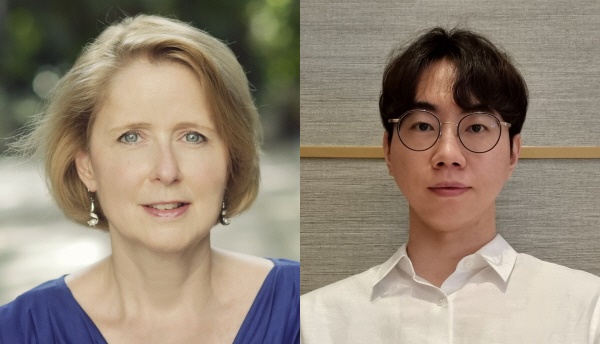
▲(왼쪽)페이지 마리 모스(Paige Marie Morse) 아스펜테크놀로지 고문&한규호 아스펜테크놀로지 수석 컨설턴트
지속 가능한 개발은 전 세계가 집중하는 주요 과제다. 반면에 지역 사회와 직원의 요구를 충족하고, 환경적 영향을 줄이면서도 회사의 이익까지 추구하는 사회-환경-경제(People, Planet, Profits)적 측면의 세 가지 가치(Triple Bottom Line, TBL)를 균형 있게 고려하기란 쉽지 않다. 소비자와 기업 모두가 지속 가능성을 구체적으로 다루기 위해 현재의 활동을 재고하고 있다.
이러한 지속 가능성 프로그램에서 중요하게 고려해야 할 점은 플라스틱의 생산과 사용이며, 코로나19 팬데믹이 지속되면서 그 인식은 높아졌다. 실제로 코로나19 팬데믹 동안 지속 가능성에 관한 모든 주제가 대단한 관심을 받았다. 기업 전반에 걸쳐 위험에 대한 인식이 높아졌으며, 플라스틱 폐기물 감소 등 환경에 대한 관심도 증가하고 있다. 반면에 이와 동시에 팬데믹 기간 동안 배달음식의 증가와 위생을 위해 일회용 플라스틱의 사용량이 증가했다.
플라스틱 재활용은 수년 동안 낮은 수준에 머물렀으며, 순환 경제로 나아가기 위해서는 이러한 활동의 확대가 관건이다. 이처럼 까다로운 개념은 선형 라이프사이클에 기반한 현재의 제조 공정에서 벗어나 폐기물과 부산물을 통합하고 배출물을 제거하는 동시에 자연 환경에 대한 영향을 전반적으로 줄여야 한다는 원칙을 토대로 한다.
.jpg)
▲그림 1 - 순환 경제 확장의 핵심인 플라스틱 재활용
영국의 앨런 맥아더 재단(Ellen MacArthur Foundation)에 따르면 전 세계에서 재활용으로 수거하는 플라스틱 포장재는 약 14%에 불과하며, 전체양의 무려 3분의 1이 환경에 누출되고 있다. 최근 열린 CERA위크 컨버세이션(CERAWeek Conversation)에서 IHS 마킷(IHS Markit) 부사장인 앤소니 팔머(Anthony Palmer)는 2050년까지 40만미터톤(Metrics Tons) 이상의 플라스틱 폐기물이 환경에 누출된다고 예상했다.
소비재 기업들은 자사의 최종 제품과 포장재에 재활용 플라스틱을 적용한다는 야심찬 목표를 세웠지만, 여기저기 분산된 많은 양의 플라스틱 폐기물을 처리하기 위해 재활용 및 수집 공정을 확장해야 한다는 과제를 안고 있다.
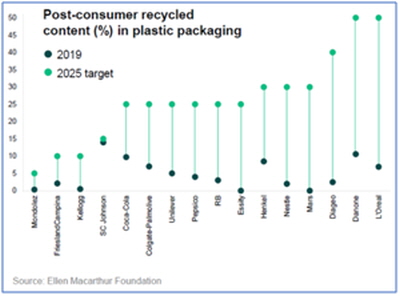
▲그림 2 - 재활용 플라스틱을 최종 소비자 제품 및 포장재에 통합해야 할 필요성
반가운 소식은 플라스틱 가치 체인 전체에서 많은 기업들이 플라스틱 폐기물 문제를 해결하고자 적극적으로 임하고 서로 협력하고 있다는 점이다. 이러한 상황에서 디지털 기능은 재활용 처리 작업에서 제일 중요한 몇 가지 문제를 해결하는 데 도움이 된다.
기계적 재활용 공정의 경우, 플라스틱을 녹여 새 플라스틱 제품을 만들 때 재료를 가치 체인에 다시 통합하는 작업이 어려울 수 있다. 재활용 기호 1∼6번(그림 3 참조)에 해당하는 플라스틱은 유형에 따라 일일이 분리수거를 해야 하는 경우가 많다. 많은 포장재들이 플라스틱이 혼합된 복합 소재로 돼 있기 때문에 고유한 접근 방식이 필요할 수 있다.
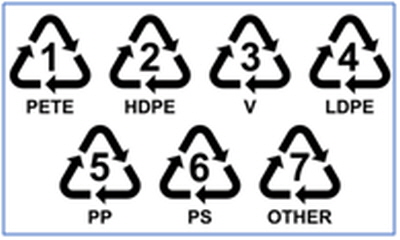
▲그림 3 - 플라스틱 재활용 기호
일본 회사인 FP 코퍼레이션(FP Corporation)은 포장 및 물류 운영 측면에서 비즈니스의 복잡성과 지속 가능성 과제를 안고 있었다. 반면에 디지털 공급망 솔루션을 성공적으로 적용한 덕분에 복잡한 생산 및 유통 프로세스를 최적화해 수익성과 지속 가능성 목표를 모두 충족하게 됐다.
FP 코퍼레이션은 파트너사인 타임 커머스(Time Commerce)와 협력하여 비용 발생의 주요소인 생산, 재고, 운송에 수요 계획과 창고 용량을 통합하는 스케줄링 플랜을 세웠다. 이 플랜에는 소비자로부터 소모된 용기를 회수하고 생산 현장에서 주로 폴리스티렌과 폴리에틸렌 테레프탈레이트 소재의 재료를 재사용하는 작업이 포함돼 있다. 그 결과, 이 회사는 2019 회계연도에 매립 폐기물을 44만3천미터톤가량 줄이고, 탄소 배출량을 16만미터톤가량 줄인 것으로 추정하고 있다.
또한 ‘첨단 리사이클링(Advanced Recycling)’라고 흔히 일컫는 새로운 재활용 기능을 개발하고 개선하는 데 디지털 기술이 도움이 되고 있다.
이 첨단 방식은 단량체(Starting Monomer)나 공급원료, 공급원료로 사용 가능한 다른 중간체를 만들기 위해 폴리머를 분해한다는 점에서 기계적 재활용과 성격이 다르다.
첨단 재활용은 많은 양의 플라스틱 폐기물을 관리하고, 이를 사용 가능한 재료로 전환하는 기회를 제공한다.
또한 공정이 개선됨에 따라 재활용 가능한 플라스틱의 유형과 다양성에 있어서도 유연성을 더 많이 제공할 수 있다.
열분해는 폴리에틸렌(2번 HDPE 및 4번 LLDPE) 및 폴리프로필렌(5번 PP)의 첨단 재활용을 지원하는 기본 공정이다.
여러 글로벌 기업이 아스펜테크의 아스펜 플러스(Aspen Plus)와 같은 디지털 시뮬레이션 솔루션에 중점을 두고 열분해 공정을 연구 중이다.
이러한 솔루션들은 폴리머 분해 과정에서 발생하는 복잡한 반응을 모델링하여 비용 및 배출물에 맞게 조건을 최적화할 수 있다.
액체 성분으로 만들면 대량의 플라스틱 폐기물보다 운송하기에 훨씬 편하다는 점에서 열분해는 지역 재활용 계획에 유용한 첫 번째 단계가 될 수 있다.
아스펜 플러스를 사용해 폐타이어의 열분해를 모델링한 최근의 연구 결과는 이러한 시뮬레이션 모델이 연료 수요와 가격을 결정하는 시장 조건에 대응하는 데 견고한 도구 역할을 하는 동시에, 공정 경제성을 위한 최적의 공정 조건(예: 온도)을 도출할 수 있다는 점에 주목했다. 운영자는 가솔린, 디젤, 기타 탄화수소 등 현지 시장 수요에 따라 최적화할 수 있다.
디지털 기술은 열분해 결과 생성된 오일이 올레핀(olefins)을 생산하는 스팀 크래커의 공급원료로 공정에 다시 통합된다는 점에서 재활용 공정의 다음 단계에도 도움이 된다. 아스펜 PIMS(Aspen PIMS)와 같은 스케줄링 솔루션은 기업이 대체 원료에 대한 단위 공정을 평가하고, 공정을 위한 최적 조건에 대한 지침을 제공하도록 지원한다. 운영 경험이 발전함에 따라 공정분석은 운영자가 운영 요구사항을 만족하면서 에너지 효율성을 높게 유지하도록 유지보수 활동(예: 가열로 디코킹)이나 안전성을 유지하는 활동을 목표로 할 때 도움이 될 수 있다.
품질 및 내구성 향상을 포함하여 기업에서의 다양한 접근방식 중 플라스틱의 가치는 플라스틱 가치 체인 전반에서 주목하는 또 다른 영역이다. 일부 소비재 회사들이 재사용 가능한 내구성이 높은 포장재로 전환하고 있으며, 플라스틱 생산자들은 제품 품질을 업그레이드하고 재활용 공정을 간소화하며 현재의 생산 공정에서 폐기물을 전반적으로 줄여 나가는 추세이다.
폴리머 특성 및 공정에 대한 시뮬레이션이 이러한 신제품 개발을 촉진하면서 생산자는 저렴한 비용으로 신제품을 더 빠르게 출시할 수 있다. 다우(Dow)의 경우, 공정 조건을 조정하기 위해 동적 시뮬레이션(Dynamic Simulation)을 사용해 시장 출시를 앞당기고 폴리머 생산의 배치 사이클 시간을 단축할 수 있었다. SCG 케미컬(SCG Chemical)의 경우, 새로운 HDPE 등급의 공장 시험을 생략함으로써 약 3억 5천만원(미화 30만 달러) 이상의 비용을 절감했다.
플라스틱 가치는 생산 품질을 비롯해, 주로 대량 생산 공정에서 만들어지는 저부가가치 제품을 제거하는 일과도 관련된다. 디지털 솔루션은 현재 폴리머 작업을 최적화하여 품질이 낮은 생산물을 최소화하고 에너지 사용을 줄이는 데 도움이 된다. 스케줄링 솔루션을 폴리머 공정 작업에 적용해 생산 스케줄과 운전조건을 최적화하면 고품질 제품 간에 발생하는 폐기물을 최소화할 수 있다.
플라스틱 폐기물 문제를 해결하고 중요한 지속 가능성 목표를 향해 나아가려면 세계적 차원에서 대대적인 노력이 필요하다. 기업들은 디지털화 기능을 사용해 폴리머 재활용, 최적화, 재설계에 집중하면서 목표를 빠르게 달성할 수 있다.
※ 본 기고는 페이지 마리 모스(Paige Marie Morse) 아스펜테크놀로지 고문과 한규호 아스펜테크놀로지 수석 컨설턴트가 기고한 글입니다.