현대오토에버, 가상 검증 플랫폼 생태계 확장 나서
기사입력 2022.05.30 14:10
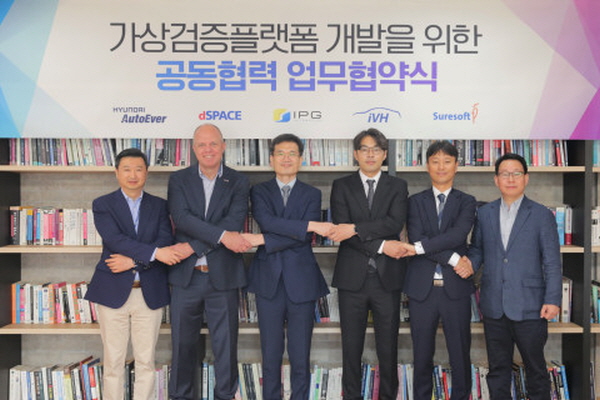
▲가상검증플랫폼 개발을 위한 공동협력 업무협약식. (사진제공: 현대오토에버)
디지털 트윈 통합 시뮬레이션 환경 제공
소프트웨어 개발 생산성·미래차 안정성 확보
현대오토에버가 소프트웨어로 정의되는 미래 자동차 시장에서 개발을 단축하고 차량 안정성을 확인할 수 있는 가상 검증 플랫폼을 본격적으로 개발할 예정이다.
현대오토에버는 차량 가상검증 플랫폼 개발을 위해 국내외 소프트웨어 전문 기업들과 얼라이언스를 맺었다고 30일 밝혔다.
가상검증 플랫폼은 차량 SW 플랫폼, 센서·액츄에이터 등 시스템과 차량 동역학 모델 등을 디지털 트윈으로 구현해, SW 로직 및 차량 기능 등을 선제적으로 검증할 수 있는 가상검증 환경과 검증 도구다.
가상검증 플랫폼의 필요성은 자율주행·커넥티비티·전동화 트렌드에 따라 대두됐다.
유엔 유럽경제위원회(UNECE)에 따르면 최근의 자동차에는 전투기 한 대보다 4배 많은 약 1억 라인의 코드가 포함돼 있으며, 2030년 3억 라인으로 증가할 전망이다.
차량 소프트웨어 검증 시장은 2020년 기준 약 12조원 규모로 전체 차량 소프트웨어 시장의 약 29%를 차지하고 있는데, 2030년까지 약 30조원 규모의 시장으로 성장할 것으로 예상된다.
소프트웨어 정의 차량이라고 할 만큼 소프트웨어의 중요성은 나날이 커지고 있다. 차량에서 소프트웨어의 비중이 크게 늘어나며 소프트웨어의 복잡성과 연결성이 증가했고, 소프트웨어의 안정성 검증은 더욱 중요해지고 있다.
현대오토에버가 개발하는 가상검증 플랫폼은 차량 내 제어기, 시스템, 차량을 가상화하고 가상주행환경도 구축해 차량에 대한 통합 시뮬레이션을 할 수 있다.
가상검증 플랫폼을 차량 소프트웨어 개발에 적용한다면, 차량이나 제어기의 실물이 제작되기 전에 미리 소프트웨어를 개발하고 검증할 수 있다.
이를 통해 차량 소프트웨어의 개발에 필요한 기간을 단축하고, 더 높은 안정성을 지닌 차량을 개발할 수 있게 된다.
현대오토에버는 가상검증 플랫폼의 성공적인 개발을 위해 소프트웨어 전문 기업들과 MOU를 맺고 개발 생태계를 확장한다.
현대오토에버는 지난 26일 △디스페이스코리아(dSPACE Korea) △아이피지오토모티브코리아(IPG Automotive Korea) △자동차공학연구소(IVH) △슈어소프트테크(SureSoft Technologies) 등 4개사와 업무협력을 위한 MOU를 체결했다고 밝혔다.
4개사는 가상검증 플랫폼 개발을 위한 업무협력과 공동조사에 협력할 예정이다.
현대오토에버와 4개 기업은 2022년 가상검증 플랫폼의 기술 실증을 진행하고 내년 말 시범서비스 시작을 목표로 개발을 진행한다.
이번 MOU로 현대오토에버는 가상검증 분야의 각 요소에 기술 경쟁력을 가진 여러 업체와 함께 ‘가상검증 얼라이언스’를 구성해 소프트웨어 검증 분야에서 선도적인 위치를 선점하며, 각 사는 보유한 기술을 고도화하고 새로운 사업 기회를 창출할 수 있을 것으로 기대된다.
현대오토에버 담당자는 “자동차의 제어기 통합, 커넥티비티 기능의 확대에 따라 소프트웨어의 안정성을 보장하기 위한 검증이 더욱 중요해지고 있다”며 “업계 최고의 전문가들과 협업해 가상검증 플랫폼을 개발해 더 안전하고 편안한 미래자동차를 만드는 데 기여하겠다”고 밝혔다.
현대오토에버는 차량 가상검증 플랫폼 개발을 위해 국내외 소프트웨어 전문 기업들과 얼라이언스를 맺었다고 30일 밝혔다.
가상검증 플랫폼은 차량 SW 플랫폼, 센서·액츄에이터 등 시스템과 차량 동역학 모델 등을 디지털 트윈으로 구현해, SW 로직 및 차량 기능 등을 선제적으로 검증할 수 있는 가상검증 환경과 검증 도구다.
가상검증 플랫폼의 필요성은 자율주행·커넥티비티·전동화 트렌드에 따라 대두됐다.
유엔 유럽경제위원회(UNECE)에 따르면 최근의 자동차에는 전투기 한 대보다 4배 많은 약 1억 라인의 코드가 포함돼 있으며, 2030년 3억 라인으로 증가할 전망이다.
차량 소프트웨어 검증 시장은 2020년 기준 약 12조원 규모로 전체 차량 소프트웨어 시장의 약 29%를 차지하고 있는데, 2030년까지 약 30조원 규모의 시장으로 성장할 것으로 예상된다.
소프트웨어 정의 차량이라고 할 만큼 소프트웨어의 중요성은 나날이 커지고 있다. 차량에서 소프트웨어의 비중이 크게 늘어나며 소프트웨어의 복잡성과 연결성이 증가했고, 소프트웨어의 안정성 검증은 더욱 중요해지고 있다.
현대오토에버가 개발하는 가상검증 플랫폼은 차량 내 제어기, 시스템, 차량을 가상화하고 가상주행환경도 구축해 차량에 대한 통합 시뮬레이션을 할 수 있다.
가상검증 플랫폼을 차량 소프트웨어 개발에 적용한다면, 차량이나 제어기의 실물이 제작되기 전에 미리 소프트웨어를 개발하고 검증할 수 있다.
이를 통해 차량 소프트웨어의 개발에 필요한 기간을 단축하고, 더 높은 안정성을 지닌 차량을 개발할 수 있게 된다.
현대오토에버는 가상검증 플랫폼의 성공적인 개발을 위해 소프트웨어 전문 기업들과 MOU를 맺고 개발 생태계를 확장한다.
현대오토에버는 지난 26일 △디스페이스코리아(dSPACE Korea) △아이피지오토모티브코리아(IPG Automotive Korea) △자동차공학연구소(IVH) △슈어소프트테크(SureSoft Technologies) 등 4개사와 업무협력을 위한 MOU를 체결했다고 밝혔다.
4개사는 가상검증 플랫폼 개발을 위한 업무협력과 공동조사에 협력할 예정이다.
현대오토에버와 4개 기업은 2022년 가상검증 플랫폼의 기술 실증을 진행하고 내년 말 시범서비스 시작을 목표로 개발을 진행한다.
이번 MOU로 현대오토에버는 가상검증 분야의 각 요소에 기술 경쟁력을 가진 여러 업체와 함께 ‘가상검증 얼라이언스’를 구성해 소프트웨어 검증 분야에서 선도적인 위치를 선점하며, 각 사는 보유한 기술을 고도화하고 새로운 사업 기회를 창출할 수 있을 것으로 기대된다.
현대오토에버 담당자는 “자동차의 제어기 통합, 커넥티비티 기능의 확대에 따라 소프트웨어의 안정성을 보장하기 위한 검증이 더욱 중요해지고 있다”며 “업계 최고의 전문가들과 협업해 가상검증 플랫폼을 개발해 더 안전하고 편안한 미래자동차를 만드는 데 기여하겠다”고 밝혔다.

관련뉴스
-

현대車, 전기차·자율주행 등에 대규모 예산 투입
현대자동차·기아·현대모비스(이하 3사)는 미래 먹거리의 핵심인 전동화 및 친환경 사업을 비롯한 커넥티비티, 자율주행, 모빌리티 등 미래 신기술 고도화에 주력할 것이라고 24일 밝혔다.
2022-05-25 오전 9:08:24by 성유창 기자
-

삼성SDI·스텔란티스, 美 인디애나에 배터리 공장… 25억달러 투자
삼성SDI와 스텔란티스(Stellantis)는 함께 미국 첫 전기차 배터리 셀·모듈 합작법인 부지를 인디애나주 코코모시로 선정하고 25억달러 이상 투자한다고 밝혔다.
2022-05-27 오후 2:28:05by 성유창 기자


많이 본 뉴스

[열린보도원칙] 당 매체는 독자와 취재원 등 뉴스이용자의 권리 보장을 위해 반론이나 정정보도, 추후보도를 요청할 수 있는 창구를 열어두고 있음을 알려드립니다.
고충처리인 장은성 070-4699-5321 , news@e4ds.com