이도 저도 아닌 ICT 인재 양성 현실, 패러다임 전환 필요하다
기사입력 2018.11.05 14:58
IoT 디바이스, 2020년 500억 개에 이를 전망
정부 R&D 사업 중 ICT 인재 예산 2.3%에 불과
정부, 교육계, 기업계의 초연결, 초지능화 필요해
4차 산업혁명이 대중의 입방아에 오르내린지 벌써 억만 년이 흐른 것 같다. 그만큼 우리는 4차 산업혁명 시대를 대비해야 한다는 말을 귀에 딱지가 앉도록 듣고 있다. 그런데 말로만이 아니라 실제로도 대비하고 있을까?
4차 산업혁명은 ICT(Information and Communications Technologies, 정보통신기술)를 통해 사람과 사물, 공간을 초연결하고 초지능화하는 만물 초지능 혁명이다. 인터넷과 연결된 사물의 수는 2012년 9억 개에서 2020년이면 500억 개에 이를 예정이고, 점점 이런 사물이 보내는 데이터를 얼마나 많이 확보할 수 있는지가 경쟁의 척도가 되고 있다.
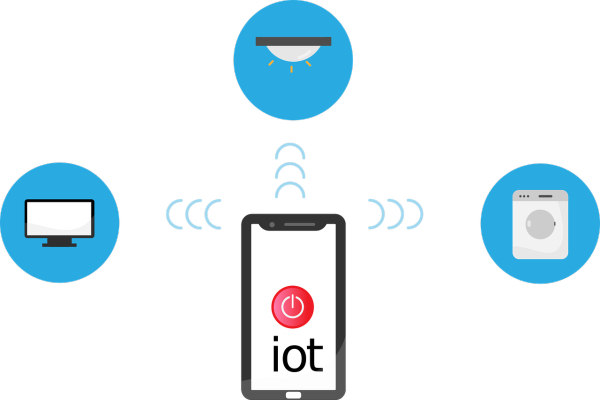
점점 인간과 사물, 사물과 사물이 연결되고 있다
데이터는 4차 산업혁명 시대의 자원이다. 데이터가 없다면 아무것도 할 수 없다. 그러나 데이터보다 중요한 것이 바로 데이터의 활용이다. 데이터가 아무리 많아 봤자 그 자체로는 무의미한 코드일 뿐이다. 가치가 없다. 데이터는 해석하고 활용할 줄 알아야 한다.
데이터를 언제, 어디서, 어떻게 활용하는지 결정하는 것은 결국 인간이다. 4차 산업혁명 시대에서의 경쟁에서 우위를 차지하려면 데이터를 확보함에 앞서 데이터를 활용할 줄 아는 인재를 확보해야 한다.
한국 ICT 석박사 인재 육성의 현실
한국은 2000년대 초부터 IT 강국을 외쳤지만 정작 그 핵심이 될 인재 육성에는 부족한 모습을 보였다. 정부의 R&D 사업 중 인재 육성에 들어가는 돈은 전체 예산 2.3%에 그치고 있다.
그 결과 주요 63개국을 대상으로 한 IMD의 세계 경쟁력 연감에 따르면, 한국의 인재 경쟁력 세계 순위는 10년 전부터 지금까지 30위권에 머물고 있다. 대학교육의 경쟁력 순위는 50위권이며, 기업 수요 충족도 역시 50위권이며 수준급 엔지니어 공급 정도는 30위권이다.
이마저도 2000년부터 지속되어온 대학ICT연구센터 사업의 일몰에 따라 하락이 예상된다.
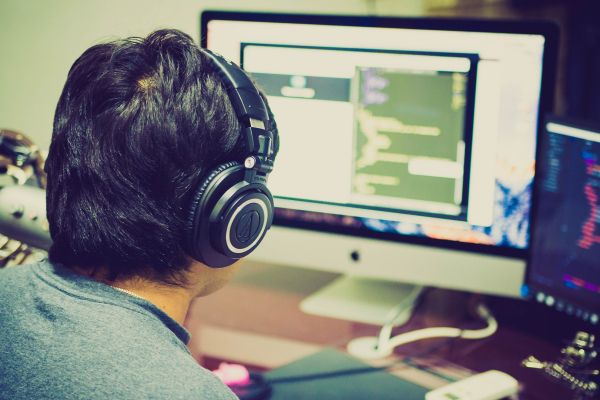
교육계가 배출하는 ICT 석박사 인력과 산업계가 원하는 인력의 차이가 벌어지고 있다
2021년부터 2030년까지 산업계에서 필요로 하는 ICT 석박사 인력은 20만 명이지만, 교육계에서 배출되는 인력은 5만 명에 그칠 것으로 예상된다. 수급 차가 15만 명까지 벌어지는 것이다.
각계의 목소리
산업계에서는 ICT 인력을 채용하고 싶지만, 지원자가 너무 적다고 하소연한다. 또 자기주도적으로 적극적으로 일할 수 있는 인재와 문제 해결력을 갖춘 창의융합적인 인재도 부족하다 말한다. 거기다 대학원 졸업생은 바로 일할 준비가 되어 있지 않아 1년 반의 교육이 필요하여 효율성도 떨어진다는 지적이다.
교육계에서도 불만이다. 각 대학들도 취업률을 높이기 위해 기업에서 원하는 인재를 육성하고 싶지만, 기업들이 적극적으로 참여하지 않는다는 것이다. 또한 기업들이 원하는 역량을 ICT 석박사 인력에게 가르치기 어렵다고 말한다. 국내에서 AI와 빅데이터, 블록체인과 같은 주제로 석박사 인력에게 실무 수준의 가르침을 전할 수 있는 사람은 분야마다 손에 꼽을 정도로 적다.
학생들은 학생 나름대로의 불만이 있다. 열악한 교육 환경과 편협한 정부 지원 때문에 주도적 역량개발에 미흡한 환경이 조성됐다는 것이다. 연구책임자, 즉 교수 중심으로 지원금이 나오는 상황에서 학생이 주도적인 연구를 하는 것은 불가능에 가깝다. 또 실패를 용납하지 않고 오직 성과만을 평가하는 정부의 사업 관리 방향상 대학원에서 이뤄지는 연구는 창의와 혁신보다는 보수와 보신으로 흐를 수밖에 없는 것이다.
어떻게 보자면 ICT 인력을 누가 키우냐는 책임을 기업과 학교가 서로에게 떠넘기는 모양새가 강하다. 교육계는 기업의 인재 수요를 제대로 파악할 수 없는 데다 기업이 원하는 과목을 개설하는 것도 힘들다. 산업계는 신입사원의 교육에 들어가는 시간과 비용을 무시할 수 없다. 이렇게 서로가 처한 입장 탓에 섣불리 혁신을 꾀할 수 없는 상황에서는 정부의 노력이 필수적이다.
현 상황 개선하기 위해서는
지난 10월 31일, 서울 상암동에서 ICT혁신인재 4.0 신규 사업 공청회가 열렸다. 2000년부터 시작한 ITRC사업이 2019년에 일몰 됨에 따라 과학기술정보통신부와 정보통신기술진흥센터가 후속사업을 추진하기 위해 열린 이번 공청회에서는 교수와 학생, 산업계 종사자들이 모여 저마다의 의견을 제시했다.
새로 시작될 ICAN(ICT Challenge & Advanced Network of HRD) 사업은 ICT 전공 및 비 ICT 전공 대학원생이 산업계의 실제 문제를 해결하는 교육연구 연계 통합의 graduate PBL 과정이다. 실제 문제 해결 프로젝트를 통하여 ICT 전공 및 비 ICT 전공 대학원생이 팀을 꾸려 창의 융합적으로 문제를 해결 능력을 키우는 것이다. 그와 동시에 산업계의 프로젝트 프로세스를 미리 경험해 봄으로서 실무역량 또한 향상시킬 것이다.
ICAN사업은 2020년을 목표로 기획되고 있으며 성과 지표를 다양화하여 ITRC 사업의 미흡했던 부분을 보완할 예정이다.

4차 산업혁명 시대에는 IoT 디바이스뿐만 아니라 기관도 초연결 되어야 한다
그러나 정부만 노력한다고 될 일은 아니다. 교육계와 산업계는 공급처와 수요처의 위치가 아니라 대한민국의 미래를 이끌어갈 양대 축이다. 교육계와 산업계 모두가 이기는 게임을 해야 한다. 그러기 위해선 서로가 각자의 강점을 살리고 상대의 강점을 이용할 줄 알아야 한다. 물론 각자의 약점을 죽이고 상대의 약점을 보완할 줄 알아야 한다.
기존 패러다임에 함몰되어 자신의 역할에만 갇혀있으면 안 된다. 4차 산업혁명 시대의 인재를 키우기 위해선 4차 산업혁명 시대에 맞는 초연결적인 정책과 교육, 그리고 기업문화가 필수가 될 것이다.
이수민 기자
관련뉴스
-
삼성 AI 포럼 2018, AI 인재의 요람
삼성전자가 12일, 13일 양일간 AI 분야의 세계적인 석학들을 초청해 AI 관련 최신 연구 동향을 공유하고 응용과 혁신 방향을 모색하는 ‘삼성 AI 포럼 2018’을 개최했다. 지난해부터 시작된 이번 포럼은 1일 차는 삼성전자 종합기술원 주관으로 삼성전자 서초사옥에서, 2일 차는 삼성 리서치 주관으로 우면동 삼성전자 서울 R&D 캠퍼스에서 각각 진행됐다. 이틀간 약 1,500여 명의 인공지능 전문가와 교수, 학생 등이 참석했다. 세계적인 석학들의 AI에 대한 깊이 있는 주제 발표와 더불어 대학생들이 자신의 연구 결과를 발표하고 전문가들로부터 조언을 듣는 연구 교류 활동도 진행됐다.
2018-09-15 오전 7:04:28by 이수민 기자
-
KT, 5G 미래 인재 육성 위해 산학 협력 나서
KT는 연세대학교, 가천대학교와 5G 기반의 스마트 캠퍼스를 구축하고 5G 관련 연구를 가속하기 위한 업무협약을 체결했다. KT는 두 대학의 세 캠퍼스에 5G 상용 네트워크를 구축하고 URLLC, 의료용 VR 콘텐츠 등의 5G 관련 연구를 지원하기로 했다.
2018-10-18 오전 7:01:40by 이수민 기자
-
삼성전자, 북미 AI 중심 캐나다 몬트리올에 AI 연구센터 신설
삼성전자가 캐나다 몬트리올에 글로벌 AI 연구센터를 신설했다. 지난해 11월 한국 AI 총괄센터를 시작으로 올해 1월 미국 실리콘밸리, 5월 영국 케임브리지, 캐나다 토론토, 러시아 모스크바, 그리고 지난달 개소한 미국 뉴욕 AI 연구센터에 이어 7번째다. 삼성전자는 그간 협력해온 맥길대학교, 몬트리올대학교 등의 세계적인 AI 전문가들과 협력을 강화하고 우수인재 확보에도 적극 나설 계획이다. 삼성전자는 한국 AI 총괄센터를 중심으로 글로벌 AI 연구센터를 확대해 2020년까지 약 1천 명의 AI 선행 연구개발 인력을 확보하고 우수 인재와 기술이 풍부한 지역을 중심으로 AI 연구센터를 지속 확대할 계획이다.
2018-10-19 오전 7:02:52by 이수민 기자

많이 본 뉴스
[열린보도원칙] 당 매체는 독자와 취재원 등 뉴스이용자의 권리 보장을 위해 반론이나 정정보도, 추후보도를 요청할 수 있는 창구를 열어두고 있음을 알려드립니다.
고충처리인 장은성 070-4699-5321 , news@e4ds.com