
기사입력 2021.11.05 13:58
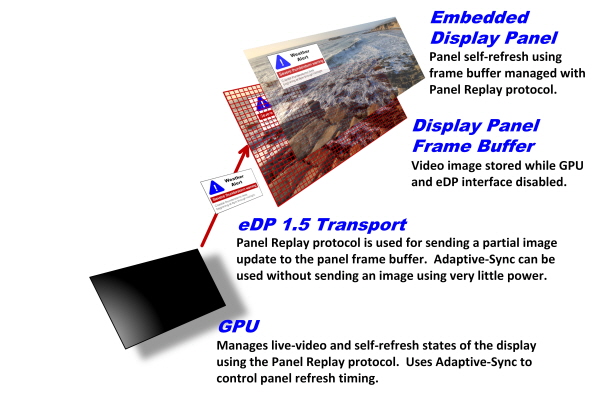

라이선스 대행업체 MPEG LA, LLC는 디스플레이포트 특허 포트폴리오 라이선스(DisplayPort Patent Portfolio License) 범위가 16년 3월 VESA 디스플레이포트 표준 ver1.4 를 포함하도록 업데이트 됐다고 발표했다. 디스플레이포트 특허 포트폴리오 라이선스는 디스플레이포트 사용자 편의를 위해 제공되는 것으로 사용자가 복수의 특허권자가 가진 필수 특허에 대해 각각의 라이선스 보유자와 협상하는 대신 이를 하나의 라이선스에 통합해 사용권을 취득할 수 있도록 해준다.
2016-04-26 오후 5:28:43by
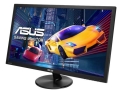
ASUS가 보급형 모니터 및 미니 PC 제품을 국내에 출시한다. 이번에 출시한 모델은 27인치 VP278H와 24인치 VP247H다. TUV 인증을 받은 시력보호 기술은 눈을 쉽게 피로하게 만드는 청색광을 단계별로 조절할 수 있다. 여기에 깜빡임을 방지하는 플리커 프리 기능이 적용돼 장시간 동안 작업에도 눈의 피로가 덜하다. 양방향 2W 스테레오 스피커를 기본 내장하여 별도의 스피커를 구비하지 않아도 된다. VESA 월 마운트가 적용돼 벽걸이나 스탠드 설치 등 설치 환경 및 용도에 맞게 활용할 수 있다. 그 외 Quick Fit 기능으로 문서나 사진을 실제 출력 사이즈로 보여줘 시험 출력 없이 확인과 편집이 가능하다. 멀티 프레임 기능은 화면 속 여러 창을 보기 편하게 재배열해 작업하기 쉬운 환경을 만들어준다. 두 모델의 응답 속도는 1ms로 게이밍 모니터로도 활용할 수 있다.
2017-06-13 오후 4:21:35by 김자영 기자
삼성전자의 QLED 게이밍 모니터 CHG90과 CHG70이 영상전자표준위원회(Video Electronics Standards Association, 이하 VESA)로부터 HDR 디스플레이 표준 인증을 받았다. HDR(High Dynamic Range)은 영상과 사진의 밝은 부분은 더 밝게, 어두운 부분은 더 어둡게 명암을 최적화해 보다 생생하고 자연스럽게 보여 주는 고화질 기술이다. TV와 달리 PC모니터·노트북 디스플레이의 HDR 성능에 대한 기준 규격이 없었으나, VESA가 이달 11일 해당 제품군을 테스트 하고 3가지 등급(DisplayHDR 400·600·1000)을 부여하는 표준 규격 인증 프로그램을 업계에 내놨다.
2017-12-18 오전 10:40:03by 김지혜 기자



[열린보도원칙] 당 매체는 독자와 취재원 등 뉴스이용자의 권리 보장을 위해 반론이나 정정보도, 추후보도를 요청할 수 있는 창구를 열어두고 있음을 알려드립니다.
고충처리인 장은성 070-4699-5321 , news@e4ds.com