차세대 웨어러블 디바이스, 그래핀으로 만들어진다
기사입력 2020.08.13 16:05
그래핀, 유연하고 잘 늘어나 웨어러블에 적합
인체 휴대/착용/부착/이식/내장하는 연구 진행
코로나19로 웨어러블 수요 늘며 연구 활성화
그래핀(graphene)은 2차원 평면상에서 6각형의 벌집 형태로 결합한 탄소 원자 1층으로 구성된 소재다.
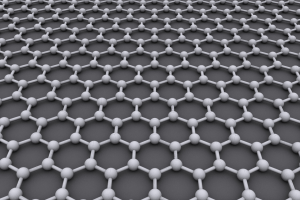
▲ 그래핀은 탄소 원자들이 6각형의 벌집 형태로
서로 연결된 2차원 평면 구조의 고분자 탄소 동소체다
서로 연결된 2차원 평면 구조의 고분자 탄소 동소체다
두께가 얇고, 투과도가 높으며, 유연하고, 늘어나고, 전기 및 열 전도성이 높다. 원재료인 탄소는 자연계에 풍부해서 가격이 싸다. 그리고 열 화학기상증착법(Thermal CVD)을 통해 고품질 및 대면적 제작이 가능하다.
위의 특성에 따라 그래핀은 유연 투명 터치패널, 플렉시블 디스플레이, 웨어러블 디바이스, 유연 투명 전자파 차폐 소재, 유연 투명 정전기 방전 방지막, 유연 투명 발열 소재, 유연 투명 방열 소재, 나노 바이오 분자 디바이스 소재 등에 응용할 수 있다.
그래핀 분야에서 웨어러블 디바이스는 중 최근 많은 관심을 끌고 있다. 그래핀의 유연성과 신축성, 높은 전기 전도도는 웨어러블 디바이스 착용감과 연관이 되는 초소형화, 유연화, 신축화, 저전력화 등의 요구사항들을 충족시킬 잠재적 가능성을 가지고 있기 때문이다.
김완수 한국산업기술대학교 산업융합학과 교수는 ‘정보통신기획평가원(IITP) 주간기술동향 1958호’에 ‘그래핀 기반 웨어러블 디바이스 기술 동향’이란 제목의 글을 기고하며 그래핀 기반 웨어러블 디바이스 최근 기술 개발 동향을 소개했다.
◇ 그래핀 기반 웨어러블 디바이스용 소재 사례
서울대 및 LG전자 연구팀은 2017년, 전기적인 전자기파 차폐 향상 및 기체 불투과성과 관련된 탈수 저감을 목적으로 그래핀을 적용, 전자기파를 흡수하여 열복사로 방출하고 수분 등의 기체 투과를 줄이면서 기능성 콘택트렌즈 등 인체 부착형 웨어러블 디바이스용 소재로써 활용 가능성을 보여줬다.
UNIST 연구팀은 2020년, 기계적인 유연성 및 굽힘성 등 내구성 향상을 목적으로 그래핀 상에 폴리이미드를 직접 통합, 유기 태양 전지 등 유연·경량 인체 부착형 웨어러블 디바이스용 소재로써 활용 가능성을 확인했다.
건국대·한양대 공동 연구팀은 2020년, 미세한 접촉에도 민감도의 향상 및 소자 간 크로스토크 저감을 목적으로 그래핀 전극으로 축전기 형성 및 정전용량 방식 압력 센싱을 구현, 초민감형 투명 촉각 센서 등 신체 부착형 헬스케어 웨어러블 디바이스용 소재로써 활용 가능성을 엿보았다.
KIST 연구팀은 2020년, 기계적인 신축성 향상을 목적으로 그래핀 소재를 적용, 펼 수 있는 리튬이온 배터리 등 인체 부착형 웨어러블 디바이스용 소재로써 활용 가능성을 파악했다.
김완수 교수는 이러한 가능성은 그래핀의 충분한 품질 및 생산성 향상과 해당 웨어러블 디바이스의 시장성에 의해 실현될 것이라 조언했다.
◇ 그래핀 기반 웨어러블 디바이스용 부품 사례
웨어러블 디바이스의 착용감을 높이려면 위의 소재 등을 활용한 유연성과 신축성을 가진 배터리, 히터, 센서, 디스플레이 등의 부품이 필요하다.
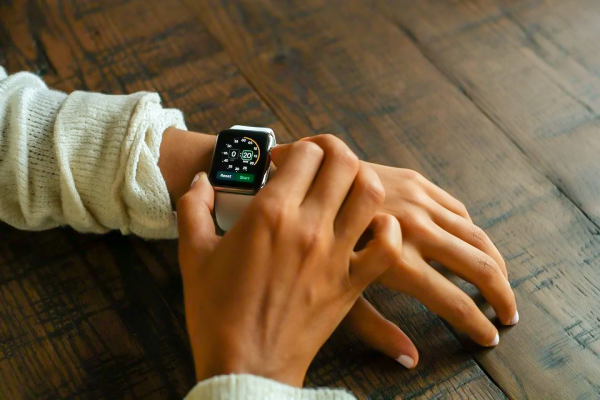
▲ 그래핀 기반 웨어러블 디바이스 소재·부품 상용화는
웨어러블 디바이스의 착용감을 높이는 데 기여할 전망이다
웨어러블 디바이스의 착용감을 높이는 데 기여할 전망이다
배터리 부분에선 UNIST 연구팀이 2020년, 기계적인 유연성 및 굽힘성 등 내구성 향상을 목적으로 그래핀 상에 폴리이미드를 직접 통합시켜 유기 태양 전지 등 웨어러블 디바이스용 부품으로서 가능성을 확인했다.
또한, KIST 연구팀은 2020년, 기계적인 신축성 향상을 목적으로 그래핀 소재를 적용하여 펼 수 있는 리튬이온 배터리 등 웨어러블 디바이스용 부품으로서 가능성을 파악했다.
히터 부분에선 서울대 연구팀이 2017년, 소비 전력 저감, 균일한 온도 분포, 유연함, 가벼운 중량, 박형, 높은 열전도도 등을 목적으로 그래핀 히터를 방한 의류에 탑재, 방한 의류 등 웨어러블 디바이스용 부품으로서 가능성을 확인했다.
센서 부분에선 건국대·한양대 공동 연구팀이 2020년, 미세한 접촉에도 민감도의 향상 및 소자 간 크로스토크 저감을 목적으로 그래핀 전극으로 축전기 형성 및 정전용량 방식 압력 센싱을 구현, 초민감형 투명 촉각 센서 등 웨어러블 디바이스용 부품으로서 가능성을 보여줬다.
미국 캘리포니아 공과대학의 연구팀은 2019년, 저가 및 대량 생산성을 목적으로 3D 그래핀 구조를 갖는 플라스틱 시트를 적용, 땀 및 스트레스 센서 등 인체 부착형 웨어러블 디스이스용 부품으로서 가능성을 확인했다.
디스플레이 부분에선 구글 연구팀이 2012년, 내장형 및 소형화 구현 및 저전력 등을 목적으로 LCoS(Liquid Crystal on Silicon) 마이크로 디스플레이 및 FFC(Field Sequential Color) 구현 방식을 결합한 프로젝션 타입 디스플레이 시스템을 적용, 구글 글래스 등 웨어러블 디바이스용 부품으로서 가능성을 보여주었다.
김완수 교수는 그래핀 기반 웨어러블 디바이스용 배터리, 히터, 센서, 디스플레이 등의 부품 기술은 웨어러블 디바이스용 소재 기술에 기반을 두고 있으며, 향후 웨어러블 디바이스가 제품의 상용화까지 발전하기 위해서는 한층 더 다양한 연구가 필요하다고 밝혔다.
◇ 전염병 저지에 사용되는 그래핀 기반 웨어러블 디바이스
김완수 교수는 그래핀 기반 웨어러블 디바이스가 지속해서 발전하기 위해서는 기술적으로 밀접히 연관된 그래핀 자체, 그래핀 기반 웨어러블 디바이스용 소재, 그래핀 기반 웨어러블 디바이스용 부품, 그래핀 기반 웨어러블 디바이스 등의 기술적 공급 및 가치사슬 사이에 상호 긴밀한 협력적 발전이 필요하다고 조언했다.
코로나19 팬데믹은 그래핀 기반 웨어러블 디바이스의 실현 가능성을 더욱 높이는 계기가 되고 있다. 코로나19에 대응하기 위해 웨어러블 디바이스의 기술 및 제품 개발이 전보다 활발히 진행되고 있다.
필립스, 오우라, 라이프시그널스 등은 현재 코로나19 감염 예측/감지/발견을 목적으로 그래핀 기반 웨어러블 디바이스를 개발 및 실험하고 있다. 이러한 노력이 지속된다면 그래핀 기반 웨어러블 디바이스 제품, 소재, 부품은 물론 웨어러블 디바이스 전체의 시장 파이가 더욱 늘어날 것으로 전망된다.
이수민 기자
관련뉴스
-
"전자기기 폼 팩터 더욱 다양해진다" IBS, 대면적 단결정 금속 박막 합성 성공
기초과학연구원이 그래핀과 같은 고성능 2차원 소재 합성을 위한 금속 기판의 표면 패턴을 다양화하는 데 성공했다. 2차원 단결정 소재는 원자의 배열과 배향이 규칙적인 소재로, 열 및 전기 전도도가 우수하여 고성능 전자기기 소재로 사용된다. 그동안 2차원 단결정 소재 합성에 필요한 단결정 금속 박막 패턴의 종류가 한정적이란 문제가 있었는데 이번 연구로 해결의 실마리를 찾은 것이다.
2020-05-28 오후 5:05:11by 이수민 기자
-

맥심, 광검출기 2개 통합한 웨어러블 센서 솔루션 출시
맥심 인터그레이티드 코리아가 웨어러블 용 초박막 듀얼 광검출기 광학 센서 솔루션, MAXM86146을 출시했다. 턴키형 드롭인모듈인 MAXM86146은 심박 수와 산소포화도 모니터링 및 활동 구분을 위한 모듈이 탑재됐다.
2020-07-09 오전 10:17:56by 강정규 기자
-

노르딕, 韓 헬스케어 업체에 블루투스 5.2/LE SoC 공급
디지털 헬스케어 솔루션 제조업체인 메쥬가 자사의 '하이카디 웨어러블 ECG 모니터링 시스템'의 무선 연결 기능을 위해 노르딕의 nRF52832 블루투스 5.2/LE 멀티프로토콜 SoC를 채택했다. 노르딕 SoC는 사용자의 블루투스 4.0 이상 스마트폰으로 데이터를 무선으로 전달하며, iOS 및 안드로이드 기반 하이카디 앱을 통해 심장의 상태 데이터를 확인할 수 있다.
2020-07-24 오전 9:51:55by 이수민 기자


많이 본 뉴스

[열린보도원칙] 당 매체는 독자와 취재원 등 뉴스이용자의 권리 보장을 위해 반론이나 정정보도, 추후보도를 요청할 수 있는 창구를 열어두고 있음을 알려드립니다.
고충처리인 장은성 070-4699-5321 , news@e4ds.com