정부가 8대 혁신 성장 사업으로 선정한 스마트 팩토리, 공장의 새로운 패러다임 될까?
기사입력 2019.12.10 12:08
정부에서 8대 혁신 성장 사업으로 '스마트 팩토리'를 선정하여 2022년까지 3만 개의 스마트 팩토리 보급을 목표로 하여 내년 스마트 팩토리 보급을 목표로 하여 내년 스마트 팩토리 관련 예산은 올해 4천 400억원 보다 2배 이상 늘어난 1조 300억원이 투입될 예정이라고 밝혔다.
5G의 등장과 함께 떠오른 스마트 팩토리는 과연 무엇인가?
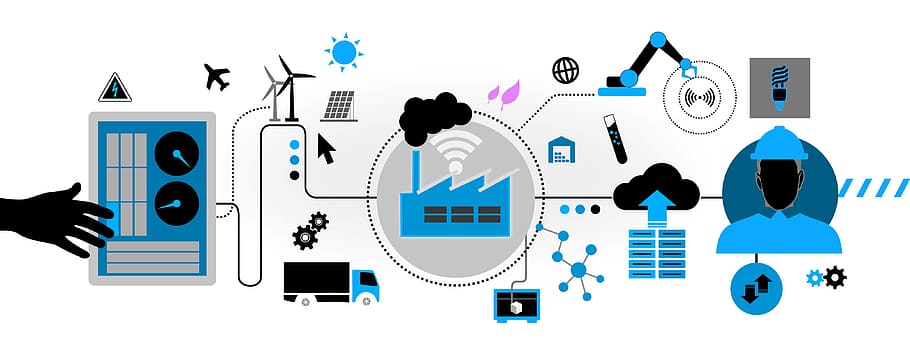
▶ 스마트 팩토리와 5G ◀
스마트 팩토리란 생산 과정에서 디지털 솔루션이 결합된 ICT 기술을 적용해 생산성, 품질, 고객 만족도를 향상시킨 지능화 공장을 뜻한다. 하지만 LG U+ 박종욱 자문 위원은 고객 맞춤형 제품 생산을 위해 유연하고 지능화된 생산 체계를 갖춘 공장으로 재해석했다.
4차 산업 혁명의 수요 중 가장 큰 특징은 공급자 중심의 대량 생산 체제에서 수요자 중심의 고객 맞춤형 생산 체제로 바뀌었다는 것이다. 고객의 다양한 요구 사항을 받아들이면서 생산성을 극대화 하기 위해서는 공장을 지능화하고 유연한 체계로 갖추는 것이 중요한 과제로 떠오르고 있다.

▲ 스마트 팩토리의 단계
스마트 팩토리의 단계는 총 5단계로 나뉜다. 1단계는 수작업 단계로 경험 기반의 개선이 중점적이고, 2단계 전산화에서는 시스템을 통한 데이터를 관리한다. 3단계 자동화 단계에서는 표준과 룰을 공정 제어하며 효율화시키는 작업을 진행하고, 4단계 정보화에서 데이터 기반의 분석과 이를 최적화시킨다. 마지막 5단계 지능화 단계에서 AI 활용 예측 제어와 자율화 및 유연화를 시킨다. 이 중 스마트 팩토리의 핵심 단계는 3단계 자동화와 4단계 정보화에 있다.
기존의 공장은 공급자 중심의 대량 생산으로 수직적이고 폐쇄형 시스템이다. 또한 자동화 시스템의 라인 생산 체계이다. 따라서 기존은 고객 요구 사항을 일부만 반영하고, 제조 Cycle의 순환이 길다.
하지만 5G를 활용한 스마트 팩토리는 수요자 중심의 고객 맞춤형 생산으로 자율 분산형, 개방형 시스템을 구축하고 있으며 자동화, 지능화 시스템으로 유연한 생산 체계를 갖추고 있다. 따라서 다양한 고객의 요구 사항을 반영하며, 제조 Cycle의 순환이 짧다.
그러므로 공장 지능화는 설비들의 초연결을 통한 Big-Data 수집과 분석 제어, 이동성과 가변성이 높은 유연한 생산 체계를 위해 고품질 무선 네트워크가 필요하다.
▶ 5G 특징과 장점 ◀
5G는 무선 고유의 이동성, 가변성, 구축 용이성, 초연결성 등의 장점을 가지며, 기존 무선 네트워크보다 초고속, 초저지연, 초연결이라는 고품질의 성능을 가진다. 이로 인해 공장 지능화, 유연성 확보를 위해 무선의 장점을 적극적으로 활용할 수 있는 시대가 도래되었다.
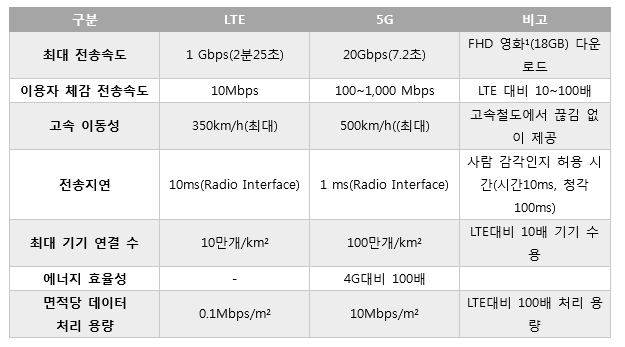
▲ LTE vs 5G ( 1) 영화 '킹스맨' 블루레이 1080p 무압축 버전
위의 표와 같이 5G는 LTE 대비 최대 전송 속도는 20배, 전송 지연은 1/10배, 연결 수는 10배로 무선 LTE 대비 5G의 특징인 초고속, 초저지연, 초연결의 특성을 정확하게 보여주고 있다. 현재의 5G는 B2C(Business to Customer)용이라기보다 B2B(Business to Business)로 기획되고 소비되고 있다.
현재 통신 시장은 극심히 포화 상태이다. 그래서 각 통신사에서 앞으로 어떻게 새로운 시장을 찾아가나 고민 중에 있다. 그런 측면에서 현재까지는 통신 시장에서 '사람 vs 사람' 시장을 가져왔다면 앞으로는 '사람 vs 물건', '로봇 vs 물건' 등 새로운 가치 실현하는 산업 IoT 부분에서 새로운 시장을 창출하기 위한 기대를 많이 가지고 있다.
그 안에서 스마트 팩토리의 구성 요소 중 하나인 네트워크 인프라를 살펴보면 통신의 성능은 설비 별 데이터 전송량(User Experienced Data Rate(Mbps)), 인증/암호화/안정성(Security & Stability), 공장 별 데이터 전송량(Area Traffic Capacity(Gbps/km2)), 데이터 도달에 걸리는 시간(Latency(ms)) 등이 있고, 유연성은 무선의 장점으로 이동 지원(Mobility & Flexivility(km/h)), 연결 할 센서/설비(Connection Density(devices/km2)), 구축과 운영의 용이성/경제성(Installation & Operation($/device))이 있다.
기존 LTE와 Wi-Fi는 성능이 유선 대비 많이 떨어졌다. 그래서 실제 공장에서는 한정적으로 유선을 사용해왔다. 현재는 5G의 경우 성능이 무선에 임박하게 된다면 무선의 장점인 이동성, 가변성, 초연결성을 적극적으로 활용할 수 있는 시대가 되었다. 이로써 스마트 팩토리와 5G가 접목하여 제품의 생산성이 향상될 뿐만 아니라 생산 시간 단축과 불량률 감소로 큰 역할을 하게 된다.
▶ LG U+ 산업 IoT 사업 ◀
현재 LG U+ 산업 IoT의 사업 영역은 무선 네트워크 서비스를 바탕으로 스마트 팩토리 향 산업 IoT 솔루션을 구축하고 토탈 서비스를 제공하고 있다. 현재까지 추진 방향은 무선 네트워크의 장점인 넓은 커버리지, 이동성을 바탕으로 무선화 Needs가 많은 넓고 복잡한 공장의 안전, 보안, 환경, 물류 등 간접 영역에서 시작해서 최근에 통신 기술 발전으로 5G가 등장하면서 직접 영역인 설비, 품질, 공정, 생산으로 확대를 추진하고 있다.
2016년에는 LG 화학 대산 공장 등에 LTE 기반 안전/환경/보안/물류 영역별 솔루션을 출시하였고, 2017년에는 화학, 제철, 발전소 등에 설비 영역 솔루션을 출시하고, 타 계열사 및 일반 기업으로 확대해 나갔다. 2018년 하반기부터 현재까지는 6개의 Site를 중심으로 5G 기반 연동 솔루션을 검증하고 적용하고 있는 중이다.
현재 LG 그룹 주요 6개 제조 계열사 32개 공장에 LG U+의 산업 IoT 솔루션이 도입되어 있으며, 전국 주요 산업 단지 내 공장과 공공기관애도 산업 IoT 솔루션이 도입되었다.
▶ 무선 네트워크 기반 솔루션 현황 ◀
산업용 IoT 솔루션 확산 현황을 살펴보면 크게 안전, 환경, 보안, 물류, 설비, 생산/공정/품질 등으로 나뉠 수 있다.
현황에 대해 자세히 살펴보면 아래와 같다.
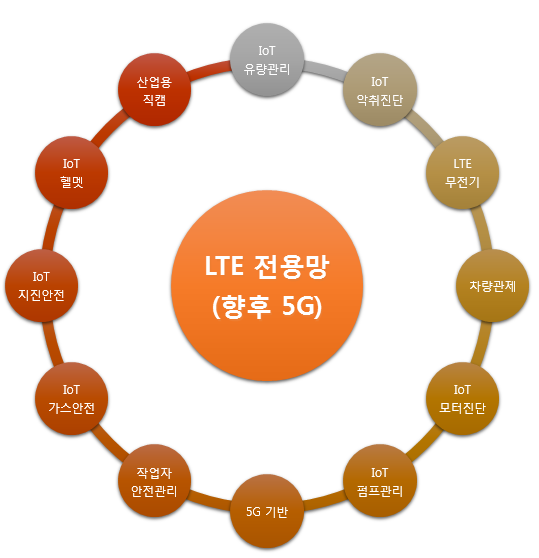
▲ 산업 IoT 솔루션 확산 현황
- 안전 -
> 산업용 직캠 : 앱 기반 현장 영상 중계, 드론 영상 연동
> IoT 헬멧 : 전용 헬멧 기반 현장 영상 전송, IP-PTT, 위치 관제
> IoT 지진 안전 : 센서기반진도(3축 가속도), 범위 설정 및 실시간 알림
> IoT 가스 안전 : 가연성/독성 48종 농도 측정, 방폭 LTE망 통합 단말
> 작업자 안전 관리 : 앱 기반 작업자 위치 측위( 위험 지역, 대피 경로 등), 비콘 및 비콘 리더기 활용
- 환경 -
> IoT 유량 관리 : 유량(용수, 폐수) 사용량 관리, 중단 없는 시공(외벽 부착식 단말)
> IoT 악취 진단 : 황/아민/VOC 계열 진단(센서 기반), 악취 발생원 추적(대기 모델링)
- 보안 -
> LTE 무전기 : 앱 기반 무전기, 음성/영상 전송
- 물류 -
> 차량 관제 : 앱 기반 위치 및 경로 관제, 운행 일지
- 설비 -
> IoT 모터 진단 : 전류/전압 기반 진단(전용 단말), 빅 데이터 기반(1,300만 분석 DB)
> IoT 펌프 관리 : 온도/압력/전력 측정(전용 단말), 유량/양정/효율성 관리
- 생산, 공정, 품질 등 -
> 5G 기반 : 5G 기반 스마트 팩토리 솔루션 발굴 진행 중
> 산업용 직캠 : 앱 기반 현장 영상 중계, 드론 영상 연동
> IoT 헬멧 : 전용 헬멧 기반 현장 영상 전송, IP-PTT, 위치 관제
> IoT 지진 안전 : 센서기반진도(3축 가속도), 범위 설정 및 실시간 알림
> IoT 가스 안전 : 가연성/독성 48종 농도 측정, 방폭 LTE망 통합 단말
> 작업자 안전 관리 : 앱 기반 작업자 위치 측위( 위험 지역, 대피 경로 등), 비콘 및 비콘 리더기 활용
- 환경 -
> IoT 유량 관리 : 유량(용수, 폐수) 사용량 관리, 중단 없는 시공(외벽 부착식 단말)
> IoT 악취 진단 : 황/아민/VOC 계열 진단(센서 기반), 악취 발생원 추적(대기 모델링)
- 보안 -
> LTE 무전기 : 앱 기반 무전기, 음성/영상 전송
- 물류 -
> 차량 관제 : 앱 기반 위치 및 경로 관제, 운행 일지
- 설비 -
> IoT 모터 진단 : 전류/전압 기반 진단(전용 단말), 빅 데이터 기반(1,300만 분석 DB)
> IoT 펌프 관리 : 온도/압력/전력 측정(전용 단말), 유량/양정/효율성 관리
- 생산, 공정, 품질 등 -
> 5G 기반 : 5G 기반 스마트 팩토리 솔루션 발굴 진행 중
▶ 스마트 팩토리 솔루션과 5G 활용 사례 ◀
공장에서 스마트 팩토리를 하는 근본적인 목적은 고장과 불량, SCM Loss를 개선하고, 인원 운용을 효율화 하고, 안전과 환경의 리스크를 해소를 위한 것이다. 그에 대한 솔루션으로는 진동, 전류, 소리 등 설비 예지 보전 솔루션과 FDC(설비분석시스템,Fault Detection and Classification) 등과 같은 품질 예측 솔루션, 지능형 CCTV로 보안과 안전을 관리하고 있다. 이러한 솔루션으로 공장을 스마트화 시키고 있다.
하지만 이런 솔루션들에 이동성, 유연성, 구축 용이성, 초연결성이 장점인 5G로 직접 연결한다면 무선의 가치를 만들어낼 수 있다.
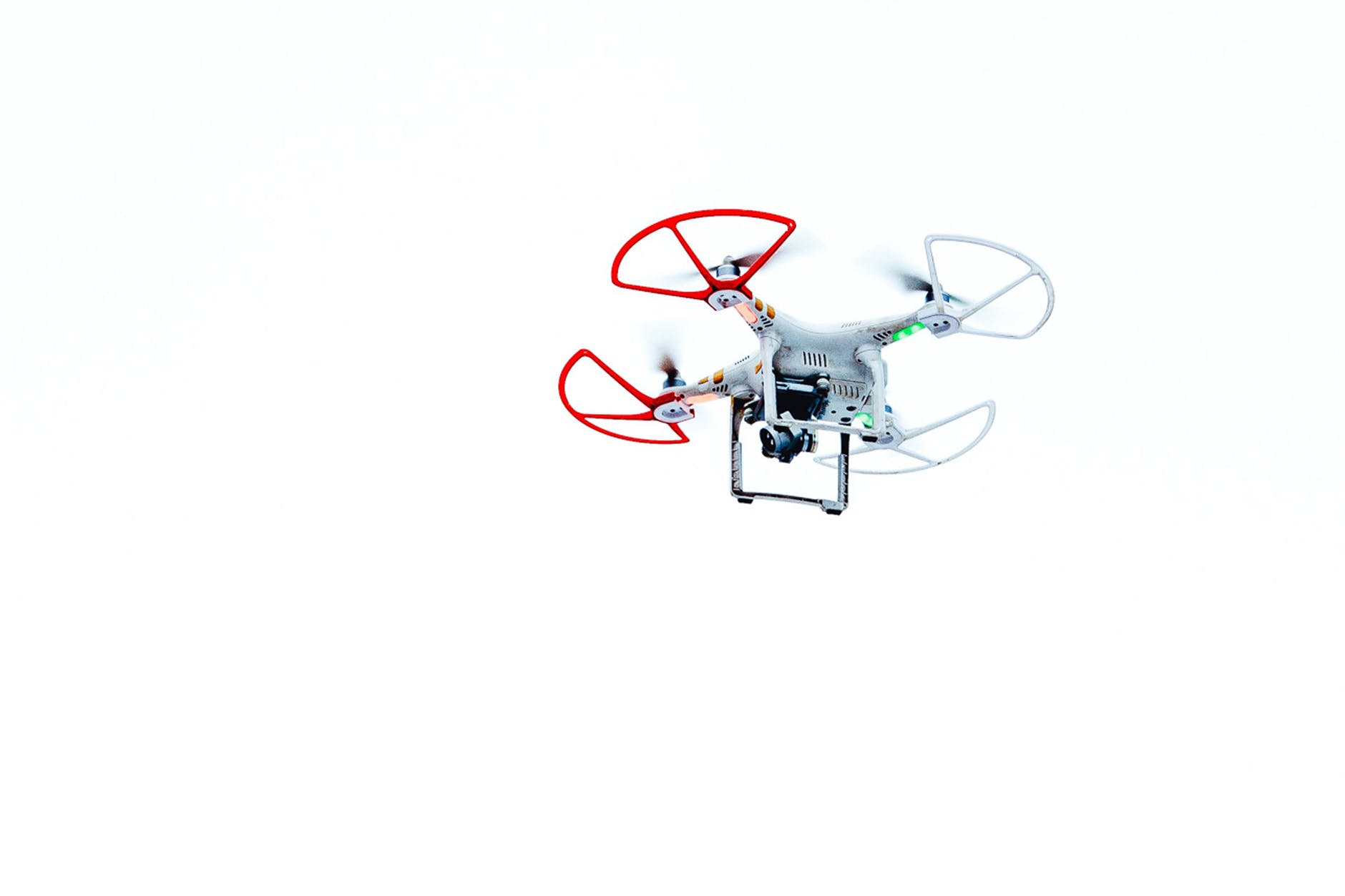
이에 5G 활용 사례는 다음과 같다.
- 스마트 폰 케이스를 금형하는 공장에서 자율 주행 물류 로봇에 5G를 적용하여 AGV(자동이송차량, Automated Guided Vehicle)에 환경 센서나 감시 카메라를 정착하여 물류 이송 뿐만 아니라 시야 확보 등 다양하게 관리하는 가공 툴로 사용
- 기존의 드론은 사람이 직접 조종하지만 5G가 접목된 스마트 드론은 구조물을 직접 점검을 하고, 석유 화학 공장의 플레어스택을 드론에 열화상 카메라를 장착해서 온도 변화를 확인
- 스마트 드론으로 공장 단지 내의 공장 인력의 보안이나 안전을 위해 순찰의 기능
- 중장비에 화상 카메라를 연결하여 5G로 원격 제어
▶ 스마트 팩토리의 기대 효과와 발전 방향 ◀
KT경제경영연구소에서 발표한 '5G 시대 사회경제적 파급효과 분석'에 의하면 제조업이 금융, 자동차, 미디어 등을 제치고 기대 효과가 가장 큰 산업이 될 것이라고 발표해 화제가 되었다.
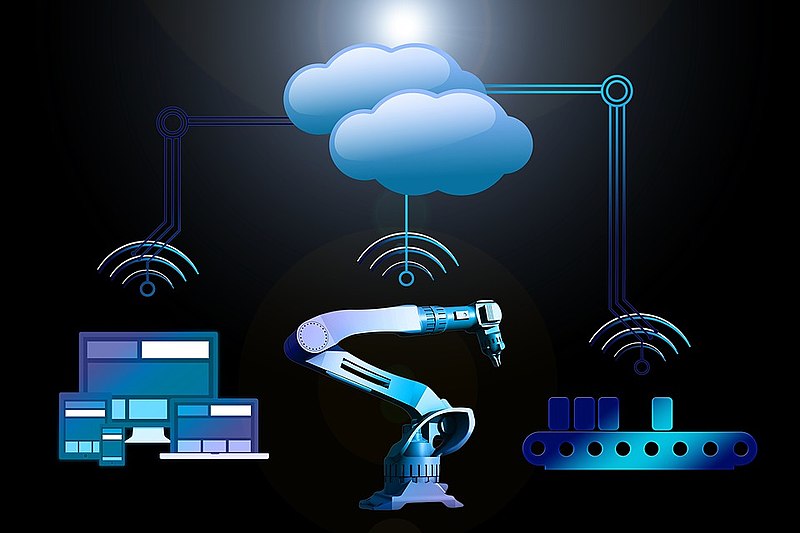
5G 기술로 실현한 스마트 팩토리는 제조업에 부가 가치와 효율성을 함꼐 가져오면서 미래 제조업에 큰 도움을 줄 수 있는 요소로 작용될 것으로 예상된다. 아직은 5G 스마트 팩토리가 안정적인 데이터 공급은 물론 보안 문제 등 개선해나가야할 사항들이 있지만 이러한 점들을 보완하고 발전하여 국내 제조업에 새로운 바람이 불기를 바란다.
최수림 연구원

.png)
관련 웨비나



많이 본 뉴스

[열린보도원칙] 당 매체는 독자와 취재원 등 뉴스이용자의 권리 보장을 위해 반론이나 정정보도, 추후보도를 요청할 수 있는 창구를 열어두고 있음을 알려드립니다.
고충처리인 장은성 070-4699-5321 , news@e4ds.com