스마트팩토리에 5G, 정말로 필요한 걸까?
기사입력 2020.02.05 11:05
국내 스마트팩토리 도입 기업, 생산성 30%↑
이통 3사, 5G 앞세워 스마트팩토리 시장 노려
5G, 스마트팩토리에 도움 되지만 전 분야는 아냐
5G는 스마트팩토리의 중추가 될 수 있을 것인가?
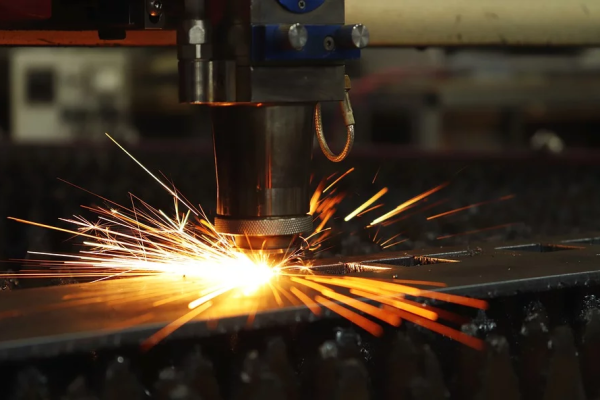
▲중기부, 연말까지 스마트팩토리 5,600개 보급 밝혀
중소벤처기업부는 1월 31일, 올해 말까지 국내에 스마트팩토리 5,600개를 보급하겠다고 밝혔다. 정부에서 정책적으로 스마트팩토리 보급에 주력하는 이유는 스마트팩토리를 도입한 기업의 각종 수치가 개선되었기 때문이다.
중기부에 따르면, 작년 말까지 스마트팩토리를 도입한 기업들의 생산성은 30% 증가, 품질은 43.5% 향상, 원가는 15.9% 감소, 납기 준수율은 15.5% 증가했다. 기업당 고용은 3명 증가했고, 산업재해는 17.9% 감소했다.
스마트팩토리에서는 기존 물리적 제조공정의 기계설비 또는 생산 공장이 IoT로 연결된다. 여기서 발생하는 빅데이터를 모아 AI로 분석한다. 이어 가상공간에서 실제 기계설비부터 제조공정까지 자동적이고 지능적으로 제어할 수 있는 사이버 물리 시스템(CPS)이 도입된다.
이를 통해 공장 내의 장비, 부품들이 연결 및 상호 소통하는 생산체계로 최소비용과 최소시간으로 고객 맞춤형 제품뿐만 아니라 다품종 복합생산이 가능한 유연한 생산체계를 구현한다. 프로세스의 변화로 운영 효율성이 높아지면 비즈니스 모델 최적화 및 재구성도 가능하다.
캡제미니는 스마트팩토리 도입을 통해 창출되는 경제 효과를 2018년부터 2022년까지 5년간 전 세계적으로 최대 1.5조 달러에 달할 것으로 예상했다. 같은 기간 전 세계 GDP 예상 증가액이 약 18.4조 달러 수준인 점을 고려할 때 1.5조 달러는 약 8%를 차지하는 규모이다.
스마트팩토리를 도입했을 때 나타나는 장점과 관련 시장의 성장 잠재성이 큰 만큼 기존 자동화 업계는 관련 솔루션 개발에 박차를 가하고 있다. 이 시장에 관심을 가지는 업계는 자동화 업계만 있는 것은 아니다. 통신 업계에서도 주목하고 있다.
스마트팩토리 사업으로 눈길 돌린 통신사들
국내 이동통신 3사는 2018년 12월, 5G 상용 전파를 세계 최초로 송출했다. 그리고 그 첫 대상은 SK텔레콤이 명화공업, KT가 AI 로봇 ‘로타’, LG유플러스가 LS엠트론이었다. 주 영업대상인 이동통신 고객에게는 5개월이 지난 2019년 4월에야 5G 서비스가 제공되었다.
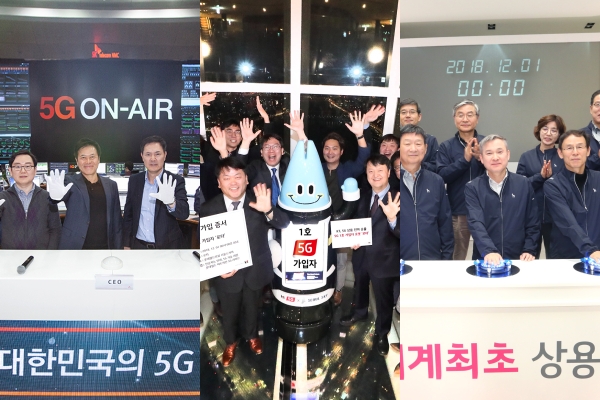
이통 3사는 5G의 초고속(eMBB)·초저지연(URLLC)·초연결(mMTC) 특성을 통해 사업영역을 확장할 계획이다. 5G는 기존 이동통신 분야뿐만 아니라 막대한 데이터 전송이 필요한 자율주행차량, 실감형 콘텐츠, 스마트팩토리 등에서 활용될 여지가 크다고 업계는 보고 있다.
KT는 지난 12월, ‘KT 5G AI Factory’란 제목의 광고를 내보냈다. 광고에선 △5G 초저지연 기술로 즉각적인 대응을 하는 협동 로봇 △5G 대용량 데이터 전송으로 정확하고 빠른 음성인식 및 머신 비전 기술 △5G로 실시간 연결되어 공장 전체를 24시간 조절하는 AI 관제 시스템 등을 소개했다. KT는 지난 1월에도 유사한 광고를 내보냈다. 이 광고에서는 5G 협동 로봇, 5G AR 글래스, 5G 커넥티드 카를 소개했다.
그러나 산업 현장에서 로봇을 보는 것은 어렵지 않은 일이다. 국제로봇연맹(IFR)에 따르면 2018년 기준으로 국내 산업 현장에 약 27만 대의 로봇이 존재하고 있다. 광고에 소개된 협동 로봇 역시 2009년에 덴마크의 유니버설 로봇이 UR5를 출시한 이래, 전 세계적으로 약 3만 대가 활약하고 있다.
5G로 실시간 연결되어 공장 전체를 24시간 제어하는 AI 관제 시스템 역시 5G와 큰 관계없이 발전 중이다. KT는 지난 10월에 ‘기가 사운드 닥터’를 발표했다. 이 기기는 설비에 부착하면 소리와 진동을 토대로 결함을 예측하는 AI 솔루션이다. 기기 결함이 예상되면 이를 관제실로 알리는데, 사용하는 네트워크는 와이파이다.
산업 현장에선 이미 다양한 무선 네트워크가 사용되고 있으며 지속적인 기술개발로 데이터 전송 속도와 전송 양도 늘어가고 있다. 기존 기술로도 공장은 이미 스마트팩토리로 진화 중이다. 그렇다면 5G는 스마트팩토리에 굳이 도입할 필요가 없는 기술일까? 광고는 광고일 뿐일까?
5G 스마트팩토리의 가능성
산업 자동화 업계에선 KT 광고에서 보여주는 시나리오의 실현 가능성을 긍정적으로 보고 있다. 그러면서도 5G를 실제 현장 어디에 어떻게 적용해야 할지 고민하고 있었다.

▲지멘스는 IoT 플랫폼인 마인드스피어(MindSphere)의
확장성에 집중하고 있다 (이미지=지멘스)
확장성에 집중하고 있다 (이미지=지멘스)
지멘스 디지털 인더스트리의 최유순 디지털 엔터프라이즈 팀장은 KT 광고에 대해 “실제로 가능한 시나리오”라면서도 “시나리오에서 보여주는 콘셉트는 산업 종류나 적용 공정에 따라 도입 필요성이 달라 일괄적이라 볼 수 없다”라고 말했다.
그러면서 “5G는 그 자체보다 IoT 플랫폼과 연계됐을 때 제조업의 디지털 혁신에 더 큰 파급을 불러일으킬 것”이라며, “제조업 대부분에서는 예지 보전을 목적으로 서비스 단계에서 IoT 플랫폼을 사용하고 있는데 5G 기술이 도입되면 그 기능이 더욱 강력해질 것”이라고 설명했다.
기존 무선 프로토콜과 5G의 차별점에 대해서는 “비용을 내고 5G 통신망을 사용하느냐, 아니면 기존 무선 프로토콜을 큰 비용 없이 사용하느냐의 차이”라며, “비용을 감수하면서도 5G를 사용함으로써 큰 이익을 얻을 수 있는 산업(대규모 플랜트)이나 애플리케이션(예지 보전, 데이터 취득)의 경우 5G를 도입할 것”이라 밝혔다.
어드밴텍의 조광희 부장은 “생산현장에서는 실시간 대응 여부에 따라 생산 비용이 달라질 수 있다”라며, “어드밴텍은 5G가 대용량 처리 및 실시간 대응 부분에 있어서 스마트팩토리에 적용할 수 있다 파악하고 관련 솔루션을 개발 중”이라고 말했다.
힐셔의 한 관계자는 광고의 시나리오처럼 5G가 그 역할을 해낼 수 있을 것이라며 “힐셔는 프라이빗 및 퍼블릭 5G 네트워크 솔루션을 모두 제공할 계획”이라고 밝혔다. 그러면서 “5G는 산업 현장에서 자신의 자리를 찾을 것”이라고 덧붙였다.
5G 기반 솔루션, 시장이 필요로 할 때 등장할 것
5G가 스마트팩토리에서 어떤 역할을 할 것인가는 업계의 여전한 고민거리다. 분명한 것은 5G의 도입이 크건 작건 제조업의 생산성 향상을 불러올 것이란 점이다.
스마트팩토리를 구현하는 데 꼭 필요한 기술인 빅데이터 분석, 클라우드, AI, 머신 러닝 등을 사용하기 위해서는 데이터의 수집·분석·가공이 필수적이다. 이를 위해선 기존 현장에서 사용 중인 다양한 장비와 장치의 정보를 모아 데이터베이스를 만들어야 하는데 이를 IT 단까지 연결할 방법이 필요하다.
5G의 초고속·초저지연·초연결 특성은 OT 단에서의 정보를 수집하는 데 중요한 역할을 할 수 있다. 한 업계 관계자는 “산업 자동화 솔루션 공급사들이 3G와 LTE 기반 솔루션을 발빠르게 준비했던 사례를 볼 때 5G 기반 솔루션도 시장의 흐름에 맞추어 적기에 개발될 것”이라고 말했다.
이수민 기자
관련뉴스
-
ETRI, 퀄컴과 손잡고 5G 스몰셀 기술 국산화한다
5G 스몰셀은 기지국과 같은 기능을 제공하지만, 반경 1Km 내에서 5G 이동통신 서비스를 제공할 수 있는 저비용, 저출력, 소형 이동통신 기지국이다. ETRI는 퀄컴과 밀리미터파 기반의 5G NR 기반 스몰셀 기술 개발을 위한 공동연구를 진행한다고 밝혔다.
2020-01-14 오후 1:24:12by 이수민 기자
-

2020년 삼성전자 먹거리는 5G 칩과 고화소 센서
삼성전자는 30일, 연결 기준으로 매출 59.88조 원, 영업이익 7.16조 원의 2019년 4분기 실적을 발표했다. 2020년 1분기는 계절적 비수기 영향으로 실적 하락이 예상된다. 그럼에도 2020년에는 주요 사업이 성장할 것으로 삼성전자는 예상하고 있다.
2020-01-31 오전 8:27:29by 이수민 기자
-
LS산전, 중소기업 맞춤형 스마트팩토리 확대한다
LS산전은 대·중소기업·농어업협력재단과 ‘대·중소 상생형 스마트공장 구축지원을 위한 상생협력기금 출연협약’ 체결식을 지난 1월 21일 가졌다고 밝혔다. 이번 협약으로 LS산전은 협력재단에 30억 원을 출연하고 솔루션 공급기업 풀 구성, 전문가 멘토링 서비스, LS산전 스마트공장 플랫폼 ‘테크스퀘어’ 기반 맞춤형 솔루션을 공급한다.
2020-02-04 오전 8:21:24by 이수민 기자


많이 본 뉴스

[열린보도원칙] 당 매체는 독자와 취재원 등 뉴스이용자의 권리 보장을 위해 반론이나 정정보도, 추후보도를 요청할 수 있는 창구를 열어두고 있음을 알려드립니다.
고충처리인 장은성 070-4699-5321 , news@e4ds.com