반도체 AI 인더스트리 4.0 SDV 스마트 IoT 컴퓨터 통신 특수 가스 소재 및 장비 e4ds plus

“Carbon Neutrality, the Key to Creating New Growth Engines”

기사입력2023.02.22 17:10


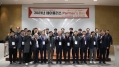
Special lecture at the 45th regular general meeting of the Korea Carbon-Free Trade Association ( Kim Sang-hyeop, Co-Chairman of the 2050 Carbon-Neutral Green Growth Committee)

Special lecture on 'Green Growth Industrial Technology Strategy' at the Korea Industrial Technology Association General Assembly
National-level economic structure transformation, talent cultivation is essential

“The response to the climate crisis must be swift, but strategic and meticulous.”

Experts have suggested that in order to achieve ultra-gap green technology innovation, we must enhance the R&D systemization and focus on discovering new growth engines and fostering talent.

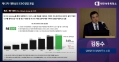
The Korea Industrial Technology Association (KOITA) held its 45th regular general meeting at the Grand Intercontinental Hotel on the 22nd. In a special lecture, Sang-Hyeop Kim, co-chairman of the 2050 Carbon Neutrality Green Growth Committee, looked into the current status of carbon neutrality in Korea and presented the green growth industrial technology strategy.

Chairman Kim Sang-hyeop said, “The climate crisis is an existential risk that goes beyond economic crises and pandemics,” and argued that “the way to achieve carbon neutrality must be to pursue new growth engines, job creation, and sustainable economic growth strategies in parallel.”

The coronavirus pandemic has exposed humanity's fears about climate change, which were buried beneath glaciers. The virus that spread around the world has led to a surge in interest in green growth and efforts to achieve a flexible recovery. In addition, AI and metaverse technologies have accelerated the non-face-to-face economy through digital transformation.

According to each country's carbon neutrality policy, our country aims to achieve carbon neutrality by 2050 and reduce carbon emissions by 40% by 2030 compared to 2018. Japan, China, and the United States are also joining in, and the United States in particular is leading ESG by focusing on clean energy and infrastructure investment through IRA legislation.

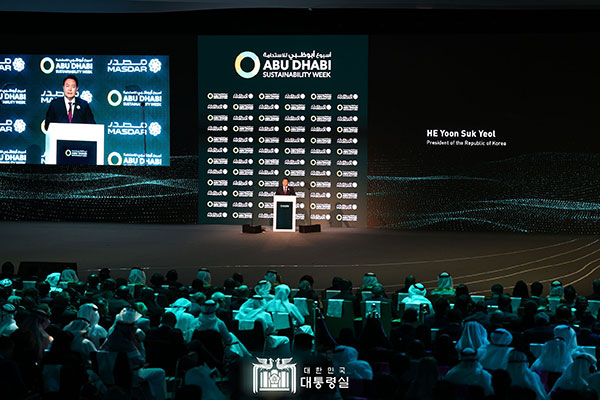
▲President Yoon Seok-yeol gave a keynote speech at the ‘Abu Dhabi Sustainability Week Opening Ceremony’ in January.

In particular, this year, the United Arab Emirates (UAE) announced a $100 billion clean energy investment plan and formed a carbon neutrality alliance with Korea. At the opening ceremony of the Abu Dhabi Sustainability Week in January, President Yoon introduced Korea’s carbon neutrality plan in his keynote speech and emphasized the importance of cooperation between the two countries.

However, achieving the 40% greenhouse gas reduction target by 2030 is still far from being achieved. While a 5.48% reduction is needed each year to achieve this, greenhouse gas emissions in 2021 increased by 3.5% compared to the previous year, making the target further away. Chairman Kim also said, “KEPCO’s electricity purchase costs, which account for 80% of the total electricity rate cost, have increased by an additional 13 trillion won and the deficit has doubled during the past five years of the Moon Jae-in administration due to the decrease in nuclear power generation,” and in particular, he reported that the surge in LNG purchase costs was the main cause, leading to KEPCO’s deficit of -5.9 trillion won.

The current government implemented the Framework Act on Carbon Neutrality and Green Growth in March 2022 to achieve structural transformation of our economy. Chairman Kim urged, “We must find a path to carbon-neutral, green growth not only with the business community but also with civil society and future generations by pursuing a sustainable economic growth strategy in parallel.”

To this end, he asserted that technological innovation and securing patient capital through consultation between the government and industry are key, and that it is important to build a foundation for the next government to continue policies until 2050.

Finally, Chairman Kim proposed the political independence of the electricity rate determination organization to form an energy mix that accompanies the innovation of the power system based on the harmony of renewable energy and nuclear power from a technology-neutral perspective. It is also necessary to establish related systems such as including nuclear power in the green taxonomy, and to build infrastructure related to renewable energy.

Stanford University invested 2 trillion won to establish a graduate school of sustainability. There are many ways to achieve green growth, such as implementing green finance policies, encouraging green investments by large corporations, and providing consulting and R&D to small and medium-sized enterprises. In order to overcome the climate crisis and take the lead in the technological hegemony competition, our country must strengthen global partnerships and foster irreplaceable science and technology talent.

Chairman Kim added, “In particular, manufacturing is an industry that needs to be given significant momentum, and the government should support it so as not to block the path of companies that are playing a pioneering role.”

On the 21st, the Ministry of SMEs and Startups announced the '23 Small Business Voucher Project' to strengthen the competitiveness of small and medium-sized businesses, and will provide services of up to 50 million won to 'small manufacturing businesses' with an average sales of 12 billion won or less over the past three years.

In order to achieve carbon reduction by 2030 and carbon neutrality by 2050, attention is being paid to the direction of the government's ESG management and new growth engine creation system for carbon neutrality.

Meanwhile, the general meeting on that day reported and settled the business performance for 2022 and proposed the business plan for 2023. For 2023, the goal was to lead private-sector cooperation technological innovation with a vision of an innovation platform that opens the future of K-Tech. The agenda items presented as major projects, such as creating a future growth environment to lead carbon neutrality and expanding technological cooperation to secure ultra-gap technology, were passed unanimously.