트랜스폼, 4세대 SuperGaN 전력 FET 車 등급 인증
기사입력 2021.11.11 15:46
고전압·고전력 GaN 기술 우위 바탕 車시장 겨냥
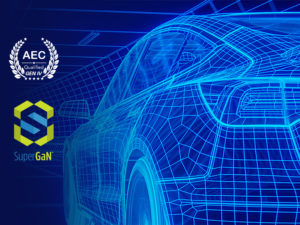 신뢰성 높은 고성능 질화갈륨(GaN) 전력 변환 제품을 공급하는 선도적인 글로벌 기업 트랜스폼(Transphorm Inc.)의 전력 FET이 자동차 등급 인증 획득을 통해 수십억달러 규모의 자동차 부품 시장을 본격 공략한다.
트랜스폼은 최근 대표 제품인 4세대 35밀리옴(milliohm) SuperGaNⓡ 기기가 차량용 개별(discrete) 반도체 인증 규격인 미국 자동차전자부품협회(AEC)의 AEC-Q101 스트레스 테스트를 무사히 통과했다고 트랜스폼이 10일 발표했다. 이로써 트랜스폼은 3번째 차량용 제품군을 확보하는 이정표를 달성했다.
4세대 TP65H035G4WSQA 기기의 온도 규격은 전작 3세대와 마찬가지로 175°C다. 실리콘 MOSFET이나 여타 GaN 솔루션보다 25°C 높은 접합 온도다. 일부 GaN 솔루션의 온도 규격은 125°C에 불과하다.
리차드 에덴(Richard Eden) 옴디아(OMDIA) 선임 애널리스트는 “트랜스폼은 각 세대의 GaN 플랫폼으로 기기 성능과 전력 밀도, 제조성(manufacturability)을 일제히 끌어올리는 한편, 기기 가격을 실리콘 기기 가격에 근접한 수준으로 낮췄다”며 “GaN 기술에 대한 자동차 시장의 높아진 관심과 AEC-Q101 인증을 획득한 트랜스폼의 GaN 포트폴리오는 GaN 도입 확산에 견인차 역할을 할 것”이라고 말했다. 이어 “수십억 달러 규모인 자동차 시장의 GaN 트랜지스터의 조기 도입 규모가 2025년에는 1억달러를 웃돌 것으로 예상된다”고 덧붙였다.
고전압 GaN 솔루션은 전기차가 가진 여러 문제를 해결할 수 있다. 예를 들어 GaN은 전기차의 배터리에서 구동렬(drive train)에 이르는 전력 변환 효율을 높인다. 같은 소형 배터리를 사용해도 주행 거리가 늘어나 전기차의 고질적 문제로 꼽히는 주행 거리 불안을 덜어준다는 뜻이다.
또한 GaN FET는 높은 주파수에서 작동하기 때문에 전력 밀도가 높은 소형·경량 시스템으로 이어질 수 있다. 이는 차내 충전기(OBC), DC-DC 컨버터, 메인 트랙션 인버터에 확실한 이점이며, 배터리 주행 거리 개선과 빠른 충전에도 유용하다. 이 3가지 핵심 시스템이 있어야 배터리 전기차(BEV)의 주행과 기능이 역할을 다할 수 있다. GaN의 역할이 클 수밖에 없는 대목이다.

관련뉴스
-
“전력 반도체 2030년 40조 시장”
2030년에는 세계전력 반도체 시장이 40조원 이상으로 확대되고, SiC, GaN, Ga2O3 등 산화물 전력반도체의 시장도 크게 성장할 것으로 전망됐다.
2021-06-25 오후 3:31:02by 배종인 기자
-
.jpg)
[기획]급성장하는 전력반도체 시장, 경쟁력 강화 시급
전력반도체 시장이 2023년 약 530억달러 시장으로 성장할 것으로 전망되는 가운데, 전기차, 전력기기 등에서 전력반도체 수요 증가 및 전비향상, 효율 향상 등의 요구로 GaN, SiC 등 화합물 반도체의 수요가 급증할 것이라는 전망이다.
2021-07-20 오후 1:42:04by 배종인 기자
-
산업부 "전력 반도체 상용화 사업, 390억 원 성과내"
산업통상자원부가 21일, 신산업 창출 전력 반도체 상용화 사업 성과를 점검했다. 해당 사업은 2017년부터 Si 및 SiC, GaN 같은 화합물 기반의 전력 반도체 산업 기반을 국내에 구축하기 위해 2023년까지 진행된다. 이번 점검에는 참여기업들의 제품 개발을 통해 2019년부터 올해 5월까지 390억 원 규모의 사업화 성과가 창출됐음을 확인했다.
2021-07-21 오후 2:45:05by 이수민 기자


많이 본 뉴스

[열린보도원칙] 당 매체는 독자와 취재원 등 뉴스이용자의 권리 보장을 위해 반론이나 정정보도, 추후보도를 요청할 수 있는 창구를 열어두고 있음을 알려드립니다.
고충처리인 장은성 070-4699-5321 , news@e4ds.com