삼성전자, 세계 최초 MRAM 저전력 설계 성공
기사입력 2022.01.13 08:41
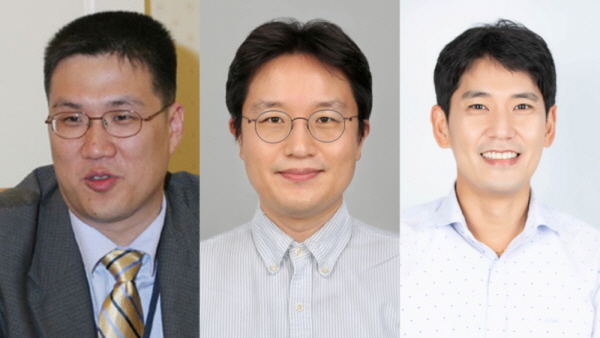
▲(왼쪽부터) 삼성전자 함돈희 펠로우, 정승철 전문연구원, 김상준 마스터
차세대 저전력 AI 칩 유력 기술로 주목
향후 뉴로모픽 기술·연구·개발 도움 기대
삼성전자가 기존 자기저항메모리(이하 MRAM)의 한계를 뛰어넘어 저전력 설계에 성공해 차세대 저전력 AI 칩 기술의 지평을 확장했다.
삼성전자는 연구진이 MRAM을 기반으로 한 인-메모리(In-Memory) 컴퓨팅을 세계 최초로 구현했다고 13일 밝혔다.
기존 컴퓨터는 데이터의 저장을 담당하는 메모리 칩과 데이터의 연산을 책임지는 프로세서 칩을 따로 나누어 구성한다.
인-메모리 컴퓨팅은 메모리 내에서 데이터의 저장뿐 아니라 데이터의 연산까지 수행하는 최첨단 칩 기술이다.
메모리 내 대량의 정보를 이동 없이 메모리 내에서 병렬 연산하기 때문에 전력 소모가 현저히 낮아, 차세대 저전력 인공지능(AI) 칩을 만드는 유력한 기술로 주목받고 있다.
RRAM(저항메모리)과 PRAM(위상변화메모리) 등 비휘발성 메모리를 활용한 인-메모리 컴퓨팅의 구현은 지난 수년간 전 세계적으로 관심이 높은 연구 주제였다.
MRAM은 데이터 안정성이 높고 속도가 빠른 장점에도 불구하고, 낮은 저항값을 갖는 특성으로 인해 인-메모리 컴퓨팅에 적용해도 전력 이점이 크지 않아 인-메모리 컴퓨팅으로 구현되지 못했다.
삼성전자 연구진은 이러한 MRAM의 한계를 기존의 ‘전류 합산’ 방식이 아닌 새로운 개념의 ‘저항 합산’ 방식의 인-메모리 컴퓨팅 구조를 제안함으로써 저전력 설계에 성공했다.
연구진은 MRAM 기반 인-메모리 컴퓨팅 칩의 성능을 인공지능 계산에 응용했다.
숫자 분류에서는 최대 98%, 얼굴 검출에서는 93%의 정확도로 동작하는 것을 검증했다.
이번 연구는 시스템 반도체 공정과 접목해 대량 생산이 가능한 MRAM을 세계 최초로 인-메모리 컴퓨팅으로 구현하고, 차세대 저전력 AI 칩 기술의 지평을 확장했다는데 큰 의미가 있다.
연구 결과는 영국 현지시간 12일 세계적인 학술지 ‘네이처(Nature)’에 게재됐다.
이번 연구는 삼성전자 종합기술원 정승철 전문연구원을 필두로 함돈희 종합기술원 펠로우 및 하버드대학교 교수와 김상준 종합기술원 마스터가 공동 교신저자로 참여했다.
삼성전자 종합기술원, 반도체연구소, 파운드리사업부 연구원들도 공동으로 연구에 참여했다.
정승철 삼성전자 종합기술원 전문연구원은 “인-메모리 컴퓨팅은 메모리와 연산이 접목된 기술로, 기억과 계산이 혼재되어 있는 사람의 뇌와 유사한 점이 있다”며 “이번 연구가 향후 실제 뇌를 모방하는 뉴로모픽 기술의 연구 및 개발에도 도움이 될 수 있을 것”이라고 말했다.

관련뉴스
-

삼성전자, 파운드리 최첨단 공정기반 칩 구현 솔루션 강화
삼성전자가 △3나노 설계 인프라 △AI EDA 기술 △2.5D/3D 패키지로 파운드리 최첨단 솔루션을 강화한다.
2021-11-19 오후 12:28:09by 배종인 기자
-
.jpg)
삼성전자, 통합 세트 부문 명칭 ‘DX부문’ 출범
삼성전자가 중장기 사업구조 및 미래지향성, 글로벌 리더십 강화 등을 내포한 통합 세트 부문 명칭을 새롭게 발표했다.
2021-12-13 오후 4:05:56by 배종인 기자
-
삼성전자, 車 메모리 공급…車 시장 공략 본격화
삼성전자가 차세대 차량용 메모리 솔루션을 글로벌 자동차 제조사에 공급을 시작하며, 자동차용 반도체 시장 공략을 본격화 했다.
2021-12-16 오후 12:25:02by 배종인 기자

.jpg)

많이 본 뉴스

[열린보도원칙] 당 매체는 독자와 취재원 등 뉴스이용자의 권리 보장을 위해 반론이나 정정보도, 추후보도를 요청할 수 있는 창구를 열어두고 있음을 알려드립니다.
고충처리인 장은성 070-4699-5321 , news@e4ds.com