[편집자주] 반도체가 산업의 쌀이라면 MEMS는 각종 제품에 탑재되며 부가가치를 높이는 디바이스로 산업의 콩과 잡곡 같은 존재이다. 다양한 종류의 잡곡만큼이나 MEMS센서는 △가속도 △자이로 △관성 △지자기 △압력 △온도 등 다채로운 역할을 담당하며 산업계에 두루 활용되고 있다.
ST MEMS 센서 로드맵 공개, 엣지 컴퓨팅 강화
ISPU 임베디드 통한 실시간 센서 데이터 딥러닝
[편집자주] 반도체가 산업의 쌀이라면 MEMS는 각종 제품에 탑재되며 부가가치를 높이는 디바이스로 산업의 콩과 잡곡 같은 존재이다. 다양한 종류의 잡곡만큼이나 MEMS센서는 △가속도 △자이로 △관성 △지자기 △압력 △온도 등 다채로운 역할을 담당하며 산업계에 두루 활용되고 있다. 최근 ISPU를 통한 엣지 컴퓨팅 강화와 소비전력 최소화를 통해 MEMS센서 기능을 발전시켜 나가고 있는 추세이다. 센서와 AI를 통합함으로써 기능 혁신을 이뤄내고 기술과 물리적 세계를 융합 구현하는 온라이프 시대를 촉진하게 될 전망이다. 이에 지준영 ST마이크로일렉트로닉스 차장을 만나 ST MEMS센서 로드맵과 ISPU에 대해 들어보는 자리를 마련했다.
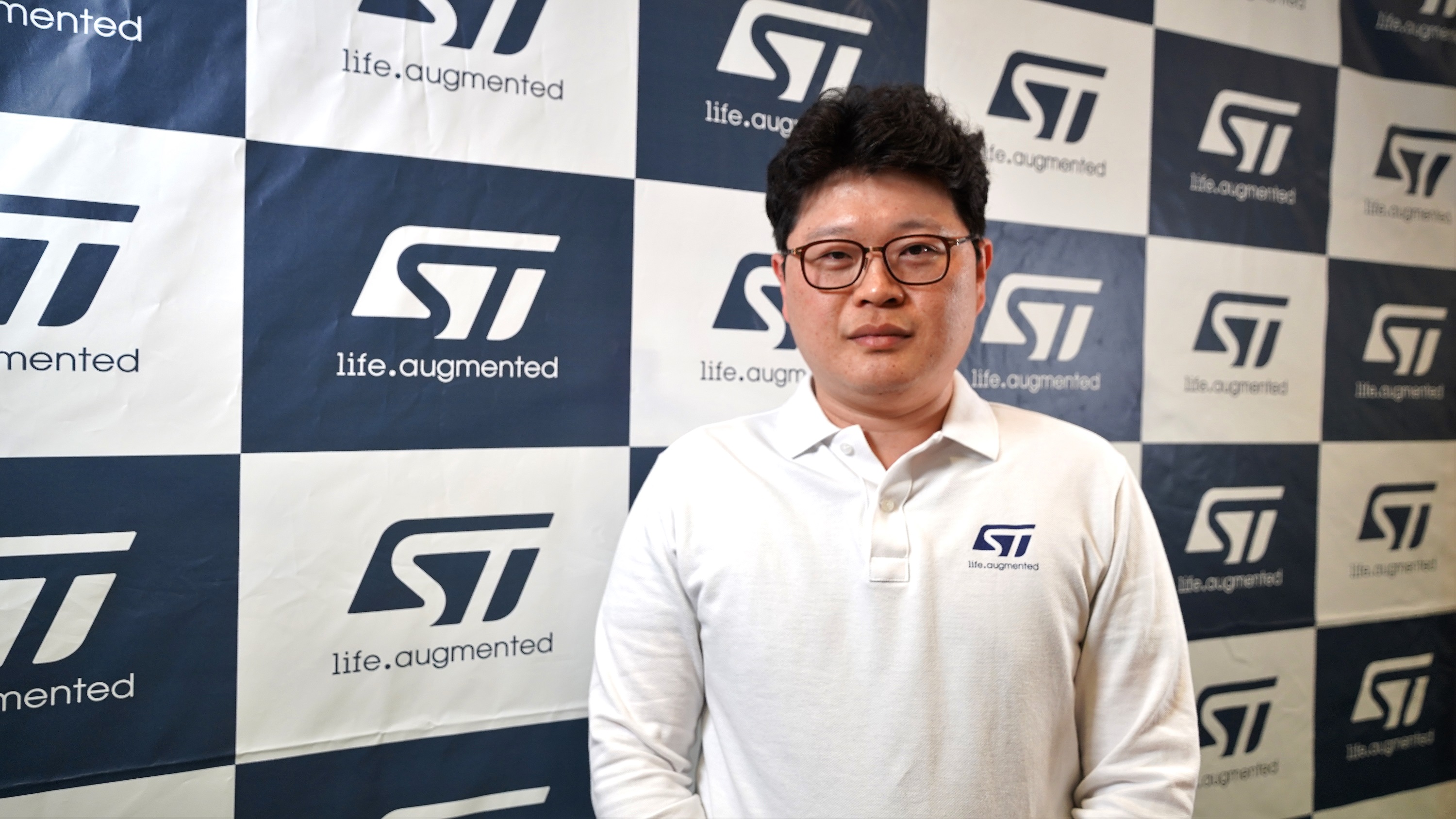
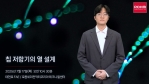
▲지준영 ST마이크로일렉트로닉스 차장
■ Mems 센서가 무엇이며 주요 적용분야는 어디인가
MEMS(멤스)란 Micro-Electro Mechanical Systems의 약자로 초소형 정밀기계시스템을 의미한다. 미세한 실리콘 기반의 입체 구조를 지니며, 다양한 입력·출력 신호를 취급하는 시스템이다. ST의 MEMS센서는 △휴대용 전자기기 △가전 △게임기 △IoT △의료 △자동차 △산업 시스템 등 폭넓은 분야에서 사용되고 있다.
■ 최근 Mems센서에 대한 시장의 주요 요구는 무엇이 있나
최근에는 배터리를 사용하는 모바일 디바이스의 수요가 많아짐에 따라서 ST에서는 고성능과 저전력 소비 두 마리 토끼를 모두 잡을 수 있는 MEMS센서 제품군을 선보이고 있다.
■ 이에 대해 ST 제품군은 어떤 솔루션을 가지고 있나
ST는 MEMS센서의 글로벌 핵심 제조사이다. △가속도를 측정하기 위한 가속도센서 △회전속도를 측정하기 위한 자이로센서 △가속도센서와 자이로센서가 같이 임베디드 되어있는 관성센서 △자력을 측정하기위한 지자기센서 △대기압 측정을 위한 압력센서 △음성을 측정하기 위한 MEMS 마이크 등 거의 모든 종류의 MEMS 센서 제품군을 제공한다.
최근 ISPU을 통해 엣지 컴퓨팅을 강화하는 방향으로 로드맵을 발표했다. 센서 및 시스템 레벨에서의 소비전력을 최소화 할 수 있는 솔루션을 준비하고 있다.
■ ISPU(Intelligent Sensor Processing Unit)가 무엇인지 설명 부탁드린다
ISPU는 ST MEMS센서 내부에 임베디드 되어있는 C언어 프로그래밍이 가능한 DSP로, 32kbyte의 프로그램 RAM, 8kbyte의 데이터 RAM 그리고 FPU 연산을 지원한다.
■ ST의 ISPU가 제공하는 이점은
실시간 센서 데이터에 대한 신호처리와 머신러닝 및 딥러닝과 같은 소프트웨어 알고리즘 실행이 센서내부에서 가능해짐에 따라 센서외부로 데이터 전송을 줄임으로써 의사 결정 속도를 높일 수 있다. 그리고 데이터를 로컬에 유지함으로써 개인 정보를 보호하는 동시에, 메인 MCU의 센서데이터 프로세싱 역할을 최소화함으로써 전체시스템의 전류소비를 줄일 수 있다.
■ 마지막으로 독자들에게 전하는 말은
이번 웨비나에서는 ST MEMS 센서와 ISPU기능을 많은 분들에게 소개시켜드리는 자리가 되기를 희망한다. 많은 관심과 참여를 부탁드린다.
감사합니다.