IoT 및 엣지 디바이스에 다양한 기능 탑재가 요구되며 저전력 엣지 디바이스에서 향상된 기능을 수행할 수 있는 저전력 고성능 임베디드 칩이 시장에 출시되고 있다.
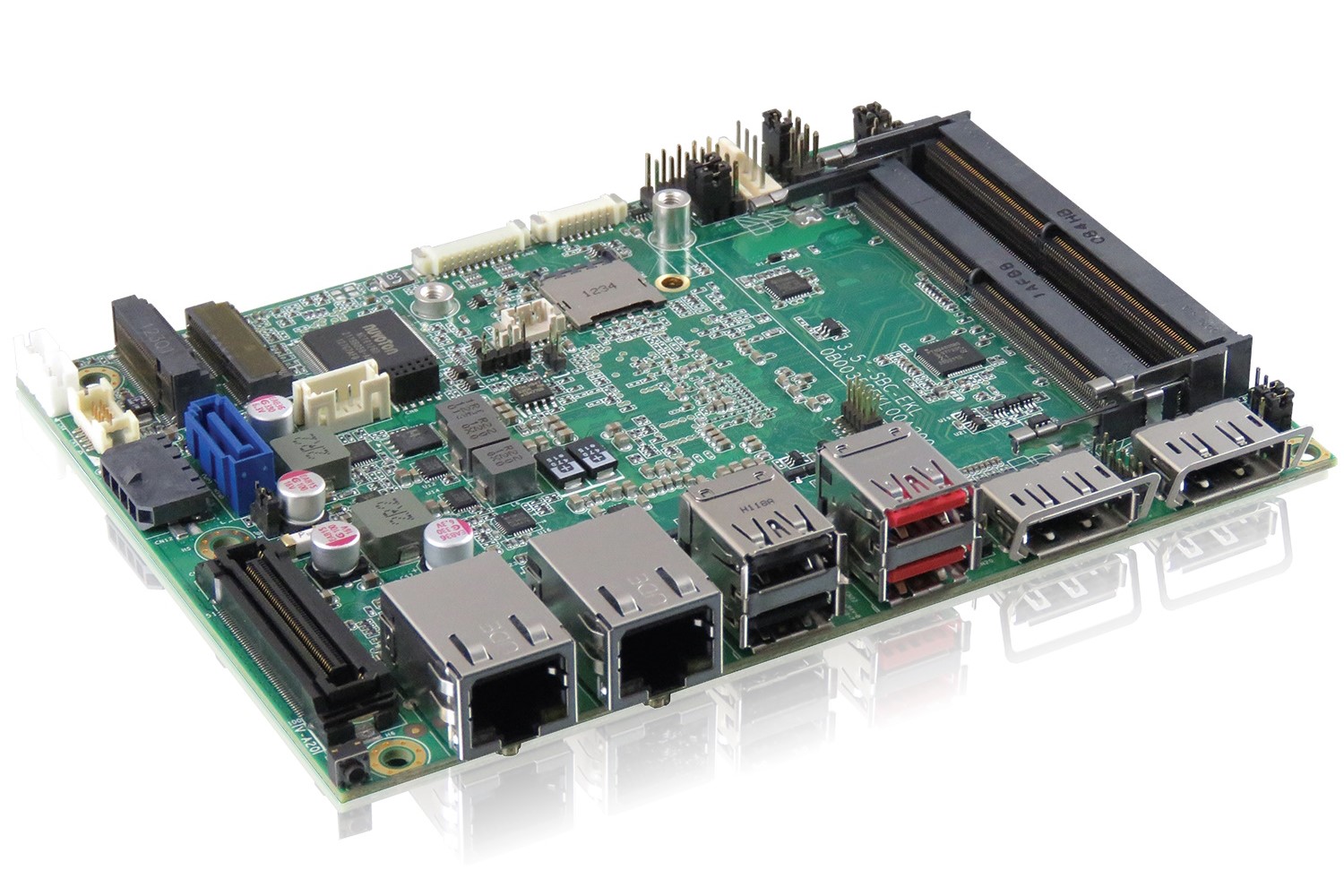
▲3.5인치 싱글보드 컴퓨티(SBC)-EKL(사진:콘트론)
AI 프로세싱 성능 개선·지연시간 최소화
사이버 공격 보안성 강화·넓은 온도 범위
IoT 및 엣지 디바이스에 다양한 기능 탑재가 요구되며 저전력 엣지 디바이스에서 향상된 기능을 수행할 수 있는 저전력 고성능 임베디드 칩이 시장에 출시되고 있다.
사물 인터넷(IoT)과 임베디드 컴퓨팅 기술(ECT) 분야 글로벌 기업 콘트론(Kontron)이 고성능 엣지 프로세싱이 요구되는 상업용 및 산업용 IoT 애플리케이션을 위해 설계된 3.5인치 싱글보드 컴퓨티(SBC)-EKL 범용 제품을 출시했다고 29일 발표했다.
4가지 타입의 3.5인치 싱글보드 컴퓨터(SBC)는 △최신 인텔 아톰(Intel Atom) x6000E 시리즈 △셀러론(Celeron) J6000/N6000 시리즈 △펜티엄(Pentium) J6000/N6000 시리즈 프로세서를 탑재하고 있다.
이 중에는 △산업용 인텔 아톰 x6212RE/x6425RE △임베디드 인텔 아톰 x6211E △상업용 인텔 셀러론 J6413이 포함되며, 향후 인텔의 다른 시스템 온 칩(SoC) 옵션을 사용하는 더 많은 제품들도 제공될 예정이라고 밝혔다.
새로 출시된 SBC-EKL은 산업 및 상업용 시스템 개발자들이 △산업 자동화 △소매업 △스마트 시티 △헬스케어 기기 △기타 유사 응용 프로그램에서 향상된 실시간 컴퓨팅과 그래픽 성능 그리고 강화된 보안 요구 사항을 충족하는 저전력 소형 IoT 에지 장치를 구축할 수 있도록 설계됐다.
콘트론은 3.5인치 SBC-EKL은 인텔의 이전 세대 SoC보다 CPU 성능이 향상됐으며 그래픽 성능도 최대 2배까지 향상됐다고 강조했다. 그래픽 성능 개선에 따라 AI 및 컴퓨터 비전 작업이 빨라진 동시에 에너지 효율도 높였다는 설명이다. 또한 SBC는 후면 패널에 2개의 디스플레이 포트 커넥터를 제공해 소매 및 광고, 공용 터미널이나 HMI 애플리케이션에 사용할 수 있는 듀얼 4K 60프레임 디스플레이를 지원한다.
더불어 멀티 홉(HOP) 네트워크 환경에서의 지연 시간 최소화했는데, SBC-EKL은 대역 내 ECC를 지원하는 듀얼 채널 DDR4 SO-DIMM 메모리를 비롯해 △소켓 2.5 GbE LAN 포트 2개 △USB 3.2 2세대 커넥터 4개 △SSD 또는 HDD 스토리지용 SATA 3.0 포트 1개 등을 탑재했다.
인텔 TCC(Time Coordinated Computing) 기술과 TSN(Time-Sensitive Networking) 프로토콜을 지원하는 모델도 제공해 최대 1초의 100만분의 1(1㎲)에 달하는 정확성을 통해 고도로 안정적인 저지연 이더넷 통신을 지원할 수 있다.
이러한 SBC-EKL 성능 향상은 ARM 기반 에지 IOT 장치 대한 응답성 향상으로 이어졌다. PCH에 통합된 전용 ARM 코어텍스 M7(ARM Cortex-M7)기반 마이크로 컨트롤러(MCU)를 사용하는 인텔 PSE(Programmable Services Engine)를 지원한다.
해당 마이크로 컨트롤러(MCU)는 독립적으로 작동하고, 2개의 CAN 버스 인터페이스를 직접 라우팅하며, 최대 5Mb/s의 속도로 CAN FD(CAN with Flexible Data Rate) 전송을 지원한다. 이를 통해 △센서 △액추에이터 △컨트롤러 등의 ARM 기반 엣지 IoT 장치에서 실시간 반응형 통신을 제공할 수 있다.
I/O 포트에 있어서 3.5인치 SBC-EKL은 3개의 M.2 확장 슬롯에 각각 △SSD △WLAN △블루투스△WWAN와 더불어 M.2 확장 옵션을 위한 Key B·E·M 인터페이스가 포함된다. 보드 투 보드 커넥터도 탑재돼 시스템 개발자가 애플리케이션에 따라 추가 I/O 포트나 기능을 위해 콘트론의 3.5인치-elO 시리즈 보드를 추가할 수도 있다.
엣지단에서 멀웨어와 고도의 사이버 공격에 대한 보안성 강화가 중요한 이슈로 부각되며 3.5인치 SBC-EKL은 △인텔 PTT(Platform Trust Technology) △인텔 AES-NI(AES New Instructions) △인텔 SHA 익스텐션(SHA Extensions) △인텔 시큐어 키(Secure Key) △인텔 부트 가드(Boot Guard) 등의 프로세서가 제공하는 통합 보안 기능 외에도 추가로 TPM 2.0 보안 칩을 기판에 통합했다.
이는 △사용자 인증 △네트워크 액세스 △데이터 보호를 관리하는 더 안전한 하드웨어 기반 접근 방식을 제공할 수 있다.
SBC-EKL은 -40~85°C까지의 폭넓은 작동 온도를 지원하는 산업용 등급 제품군으로 제공되며, 표준형 제품군은 0~60°C의 온도 범위를 지원한다.