[권신혁의 혁신포커스] [인터뷰]사이먼 텡 Arm 시니어 디렉터, “SDV전환 기능안전·리얼타임 컨트롤 必"
기사입력 2023.07.14 08:00
“SDV전환 기능안전·리얼타임 컨트롤 必"
Arm, SOAFEE 주도 SDV 개발 가속화
표준 기반 개발, 컨테이너 이점 극대화
비즈니스 모델 다변화할 SDV 생태계
표준 기반 개발, 컨테이너 이점 극대화
비즈니스 모델 다변화할 SDV 생태계
[편집자주]전통적으로 하드웨어가 중심이던 자동차 산업에서 소프트웨어 정의 자동차(SDV, Software-Defined Vehicle)로의 패러다임 전환이 빠르게 진행되고 있다. 이미 신시장에 진입과 제품 개발을 가속화하는 솔루션과 생태계도 빠르게 구축되고 있다. 반도체 IP 기업인 Arm은 SOAFEE(Scalable Open Architecture for Embedded Edge)라는 개방형 표준 아키텍처 개발을 주도하며 SDV 실현을 앞당기고 있다. 이에 사이먼 텡(Simon Teng) Arm 오토모티브 사업부 아태지역 시니어 디렉터를 만나 관련 이야기를 나눠봤다.
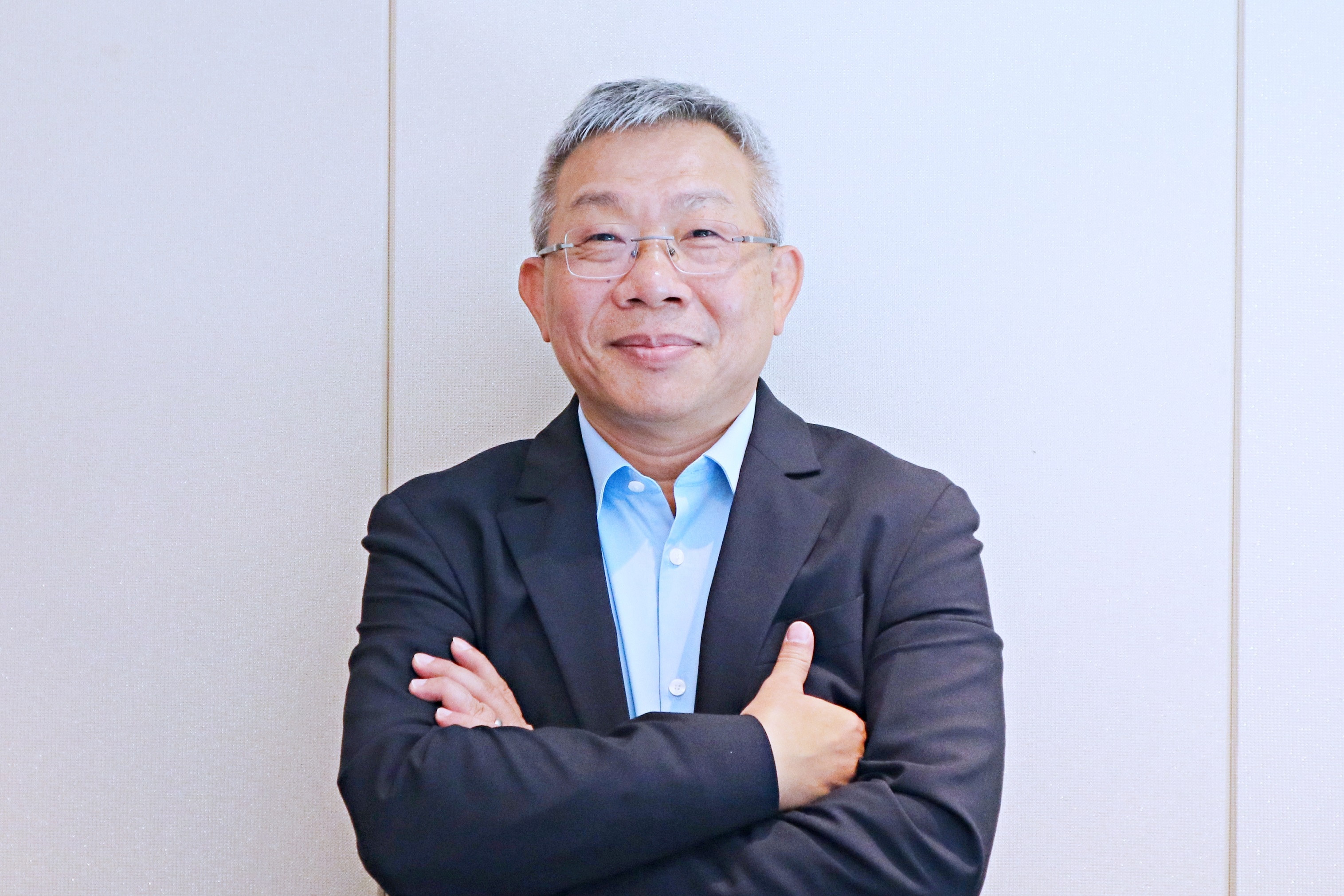
▲사이먼 텡(Simon Teng) Arm 오토모티브 사업부 아태지역 시니어 디렉터
■ Arm의 솔루션이 서비스되는 4가지 사업 부문에 대한 간단한 소개와 함께 최근 급속히 떠오르고 있는 차량용 솔루션에 대한 소개를 부탁드린다
Arm은 △소비자 기술(모바일/가전) △IoT △컴퓨터 인프라(서버/클라우드) △오토모티브 부문으로 나뉜다. 이 4가지 부문은 각각 필요한 IP가 다르며, 시장의 요구 사항도 다르기에 이를 분류해 지원하고 있다.
소비자 기술은 스마트폰 및 TV 등 가전제품 관련 IP와 관련 상품을 개발하며, 전력효율성과 저전력이 주요 고려사항임과 동시에 고성능을 낼 수 있어야 하는 해결 과제를 안고 있다. IoT 부문은 굉장히 많은 엣지단에 설치가 되어야 하기에 저비용(Low Cost)이 중요한 포인트이다. 인프라 부문은 고성능 컴퓨팅(HPC) 솔루션에 대한 요구가 가장 크다.
마지막으로 오토모티브 솔루션은 기능 안전에 대한 부분을 중점적으로 고려해 개발하고 있다. Arm은 오토모티브 솔루션 관련한 IP에 ‘AE(Automotive Enhanced, 오토모티브 인핸스드)’를 제품명 뒤에 붙여 기능 안전성이 검증된 오토모티브 솔루션임을 나타내고 있다.
차량용 IP는 기본적으로 ISO 26262 인증을 받았으며, 진단 인증을 통해 운전 시 우발 고장(Random failure)이 발생하면 시스템에서 이를 감지하고 안정된 상태를 유지하면서 세팅을 변경할 수 있는 기능들이 IP 디자인에 반영돼 있다.
■ 소프트웨어 정의 차량(SDV)으로의 패러다임 전환을 시도하고 있는 자동차 산업에서 Arm은 SOAFEE를 주도하며 SDV 개발 복잡성을 해결해 나가고 있다. 이에 대한 설명 부탁드린다
기존의 개발 과정을 보면 하드웨어 디자인이 선행되고 이후 소프트웨어를 개발해 이를 테스트하는 방식으로 개발이 진행된다. 하지만 SDV 경우에는 기존 방식의 변화가 필요하다.
먼저 소프트웨어를 정의한 후 개발을 진행하며, 그 다음에 소프트웨어에 맞춰서 하드웨어 스펙을 결정하고 개발한다는 개념이다. 이와 같은 콘셉트가 우리가 나아갈 방향이며, 동시에 현실적으로 난관에 부딪히는 지점이기도 하다.
특히, 소프트웨어 개발은 클라우드 네이티브 기반이 많다. 서버, 모바일 등 기존 클라우드 네이티브 개발에선 기능 안전성에 대한 고려는 크지 않았다. 반면, 자동차 산업은 하드웨어인 자동차가 굉장히 빠르게 움직이기 때문에 실시간 제어(Real-time Control)와 기능 안전이 필수적이다.
이에 관련 업계는 클라우드 네이티브 개발에서 이러한 부분들을 고려한 접근이 필요했으며, SOAFEE가 주는 이점은 첫번째가 바로 기능 안전성에 관한 것이며, 두번째가 실시간 제어를 클라우드 네이티브 개발 방식에 적용했다는 점이다.
■ 현재 SOAFEE에 합류한 기업 규모는 어느 정도이며, 더불어 이러한 파트너사들의 협력이 SOAFEE 발전에 어떤 기여를 하고 있는지 질문드린다
현재까지 100여개 정도의 회원사가 참여하고 있으며 2021년부터 뜻을 모아 출범하게 됐다. SOAFEE가 목표로 하는 바는 첫째로 개방성이다. SDV를 위한 기술 및 개발 표준으로 자리매김해 SOAFEE 멤버 참여 여부에 관계없이 OEM, 1차 협력 업체, 반도체 디자인 회사 등에서 이러한 표준을 무료로 사용할 수 있게 하는 데 첫번째 목표를 두고 있다.
기술 표준의 개발 과정에서 오토모티브 산업 생태계를 구성하고 있는 OEM, 1차 협력업체, 소프트웨어 개발사들과의 적극적인 협업은 필수적이다. 이들은 자동차를 계속해서 만들어 왔으며, 안전 요건에 대한 이해도도 우리보다 훨씬 높다.
■ SOAFEE를 사용하는 것이 업계 어떤 이점을 줄 수 있는가
여러 사례가 있지만 몇 가지 예시를 들자면 먼저 운영 시스템과 하드웨어 간에 표준 인터페이스를 제공하는 부분에서 SOAFEE 표준이 반도체 제조사에 이점을 줄 수 있다. 만약 하드웨어 제조사와 OS업체가 SOAFEE 표준 인터페이스를 사용하기만 한다면 반도체 제조사는 자신들의 제품에 여러 다른 OS를 이식(Porting, 포팅)할 필요가 없어진다. 중복적인 작업을 제거하는 데 의미가 있다.
OEM이나 1차 벤더의 경우에도 SOAFEE 표준 기반 서비스 및 애플리케이션 개발 시 컨테이너 기술의 이점을 챙길 수 있다. 예컨대 OS 변경이나 하드웨어 플랫폼이 변경되는 경우에도 코드 변경 없이 기존의 소프트웨어를 재사용할 수 있다는 것이다. 이를 통해 소프트웨어 개발 비용 및 유지 보수 비용을 절감할 수 있다.
비즈니스 모델 측면에서도 큰 이점이 될 수 있다. OEM 및 소프트웨어 개발사 입장에선 SaaS 제품 개발 시 SOAFEE 표준을 활용하면 오토모티브 플랫폼을 위한 서비스 제공이 용이하게 된다.
■ 차량용 반도체 측면에서 보면 중앙 집중식 고성능 아키텍처로 발전을 모색하고 있다. 이러한 고성능 임베디드 컴퓨팅(HPEC)에서 극복해야 될 과제는 무엇이며 Arm은 어떤 기여를 하고 있는가
차량에서 기능 요구가 증가하며 이에 따른 고성능 칩셋은 대면적을 필요로 한다는 점에서 신뢰성 있는 품질을 유지하기가 굉장히 어려워지고 있다. 충격이나 접촉, 발열 면에서 문제가 발생할 수 있으며 이에 대한 해결책으로 공정의 미세화가 있으나 이 또한 물리적 한계가 존재한다.
이에 비용적인 부담은 있지만 면적을 줄이려는 노력이 패키징단에서 활발하다. 가장 많이 사용되는 방식으로 칩렛 기술이 있는데, 이를 통해 전체 면적을 줄이고 신뢰성 이슈도 조금은 해결할 수 있다.
칩렛과 같은 패키징은 다이마다 다른 프로세스 노드를 쓸 수 있다. 이기종의 칩을 집적하는 과정에서 다이 별 공급 회사나 특징들이 다를 수 있다. 이에 통신 방식의 표준화가 필요하다는 시장 요구가 발생했고 자동차 부문에서 관련 표준이 현재 개발 중에 있다. 올해나 내년에는 표준 통신 방식을 사용할 수 있을 것으로 생각한다.
Arm은 인터커넥트 관련 기술을 다수 보유해 UCIe(Universal Chiplet Interconnect Express) 표준의 안정성을 강화하는 데 기여하고 있다.
■ SDV에서의 기능 안전 중요성이 매우 강조되는데, 보안 측면은 어떤지 궁금하다
Arm은 플랫폼 시큐리티 아키텍처(PSA)라는 오픈 소스 방식으로 개방된 보안 인증 체계를 구축했으며, 프로세서 측면에선 트러스트존이라고 하는 안전 구역을 만들어 중요한 워크로드는 이러한 트러스트존에서 구동되게끔 한다.
트러스트존은 더 많은 파워와 프로세스를 거치기에 모든 애플리케이션이나 워크로드를 이곳에서 처리하는 것은 비효율적이다. 보안 메커니즘에 따라 트러스트존 작업과 아닌 것을 분류하는데 이러한 점이 큰 차별점이라고 할 수 있다.
■ Arm이 바라보는 SDV 시장 전망은
SDV로의 전환은 OEM과 협력업체, 부품 공급사, 소프트웨어 개발사 등에서 수혜를 볼 것으로 예상돼 해당 업계의 푸시로 동력이 크게 발생하고 있다. 향후 SDV 전환은 빠르게 추진될 것이며, 시장의 방향성 또한 동일하다.
SDV로의 전환은 사업적인 측면에서도 수익 모델을 다변화하고 서비스를 제공하는 업체로 탈바꿈할 수 있는 기회가 될 것이다. 모빌리티는 마치 스마트폰의 플랫폼적 역할 수행처럼 다양한 소프트웨어 개발 생태계를 구축할 수 있으며, 개발 및 유지보수에 들어가는 비용 또한 낮출 수 있어 이러한 변화가 선택이 아닌 필수로 자리 잡아갈 것이다.
Arm은 이러한 트렌드를 가속화하기 위한 지원과 노력을 하고 있으며, 우리가 가진 많은 자원과 기술을 투자하고 있다.

관련뉴스
-
.jpg)
현대차그룹, 2023년 전동화·SDV·신사업 집중
정의선 현대자동차그룹 회장이 차량 전동화 체제, 소프트웨어 중심으로의 전환과 더불어 자율주행 등 신사업에 적극적인 행보를 이어나갈 것이라고 발표했다.
2023-01-04 오전 10:42:27by 성유창 기자
-

Arm, 모바일용 토탈 컴퓨트 솔루션 발표
프리미엄 모바일 시장에서 고성능 시각 경험과 AI를 위시한 인텔리전스 요구로 SoC 설계의 복잡성이 한층 증대된 가운데 Arm에서 차세대 모바일을 위한 새로운 토탈 컴퓨트 솔루션을 발표해 전 세대 대비 향상된 PPA를 제시했다.
2023-05-30 오후 4:07:31by 권신혁 기자
-
“車 반도체, SDV 흐름 속 新 기회”
전기차로의 전환이 플랫폼 변화를 이끌면서 후발주자로 시장에 진입한 자동차 반도체 기업들도 기회를 맞이하고 있다는 업계 관계자의 분석이 나왔다.
2023-07-07 오후 12:23:08by 성유창 기자

많이 본 뉴스

[열린보도원칙] 당 매체는 독자와 취재원 등 뉴스이용자의 권리 보장을 위해 반론이나 정정보도, 추후보도를 요청할 수 있는 창구를 열어두고 있음을 알려드립니다.
고충처리인 장은성 070-4699-5321 , news@e4ds.com