컨슈머 기기의 사용자 경험을 향상하는 USB-C 기반 병렬 배터리 충전에 대해 아나로그디바이스의 카일 존슨이 이야기 한다.
“차세대 컨슈머 디바이스 USB-C 병렬 배터리 충전으로 해결”
최대 240W 전력·더 높은 용량, 소비자 요구 충족
MAX77958 맞춤형 펌웨어 및 독립형 솔루션 제공
■ 뛰어난 유연성을 자랑하는 USB-C
USB-C가 다양한 컨슈머 디바이스에서 표준으로 자리잡고 있다. USB-C는 이전의 USB 포트들에 비해 훨씬 더 뛰어난 유연성을 자랑한다. 컨슈머 디바이스들은 갈수록 더 높은 전력과 더 긴 배터리 시간을 요구하고 있다.
따라서 이 디바이스들을 더 높은 전력으로 충전해야 할 필요성 또한 높아지고 있다. 이 글에서는 병렬 배터리 충전 아키텍처와 활용 사례에 대해서 소개하고, 이러한 활용 사례들에서 USB-C를 활용하는 방안에 대해 설명한다.
또한 컨슈머 시장에서 병렬 배터리 충전과 USB-C를 활용하는 방안의 장단점도 함께 알아본다.
■ 병렬 배터리 충전이란
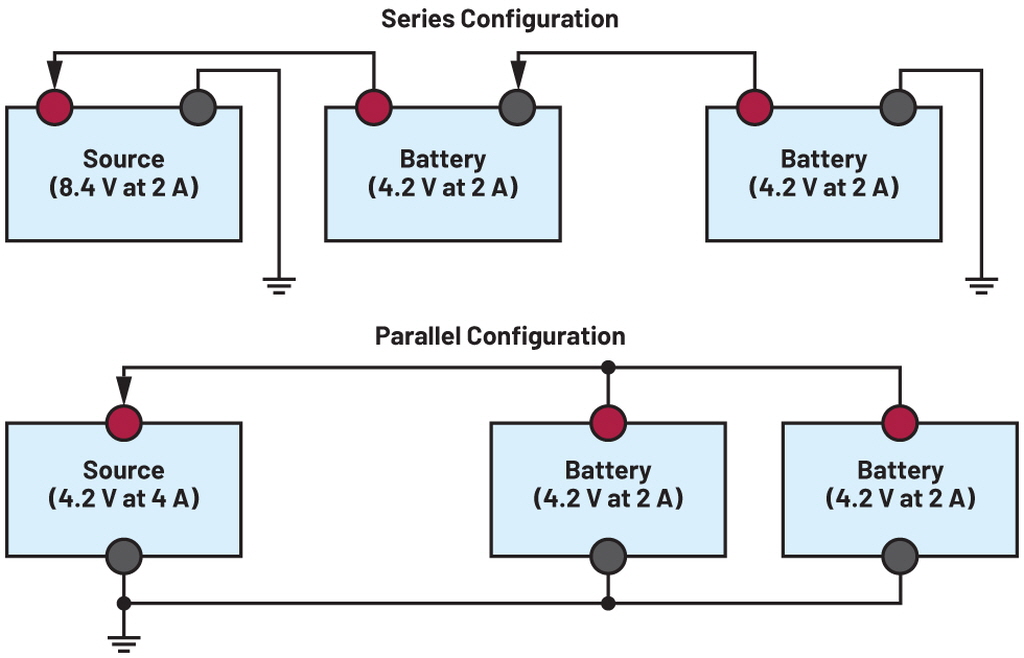
배터리 관리 시스템(battery management system, BMS)에서, 각각의 필요에 따라 배터리 구성을 다르게 할 수 있다. 배터리들을 직렬 구성으로 배치하면 배터리 용량은 동일하되 더 높은 전압을 달성할 수 있다.
이 구성은 고전력 제품에 주로 사용된다. 또 다른 방법은 배터리를 병렬로 구성하는 것이다.
이 구성은 동일한 전압으로 더 높은 용량을 제공할 수 있다. 오늘날에는 각종 컨슈머 디바이스들이 긴 배터리 시간을 매우 중요하게 요구하므로, 제조사들이 배터리 팩의 가용 용량을 절약하면서 배터리 사용 시간을 늘릴 수 있도록 창의성을 발휘할 필요가 있다.
배터리 사용 시간을 늘리기 위해 간단하면서도 효과적인 방법이 병렬 충전을 사용하는 것이다. 간단히 말해 병렬 충전 배터리는 사용자가 여러 배터리들을 한꺼번에 충전할 수 있으므로 배터리 사용 시간을 늘리고 신뢰성을 높일 수 있다. 그림 1은 흔히 사용되는 기본적인 직렬 및 병렬 배터리 구성을 보여준다.
▲그림 1 : 직렬 및 병렬 배터리 구성
■ USB-C를 활용한 병렬 배터리 충전
앞서 언급했듯이, USB-C 포트 및 디바이스는 이전의 USB 2.0 및 USB 3.0에 비해 더 높은 전력 수준으로 충전이 가능하다.
가장 최근의 USB-C 규격인 Power Delivery 3.1은 최대 240W를 제공할 수 있다. 이는 대부분의 컨슈머 제품에는 과잉일 수도 있지만, USB-C가 이전 USB 세대들에 비해 견고성이 높아졌다는 것을 보여준다.
USB-C 포트로 이처럼 높은 전력을 제공할 수 있게 된 것과 더불어, 소비자들은 갈수록 더 높은 전력과 더 긴 배터리 시간을 요구하고 있다.
이러한 요구를 충족할 수 있는 것이 바로 병렬 배터리 구성이다. 병렬 배터리 구성으로 컨슈머 디바이스의 배터리 용량이 늘어나는 만큼, 디바이스에 전원을 공급하는 차저의 전력 요구량 역시 높아졌다.
뿐만아니라 컨슈머 시장의 또 다른 중요한 요구는 사용자가 자신의 디바이스를 되도록 항상 이용할 수 있게 하는 것이다.
USB-C 포트의 높아진 전력은 소비자가 자신의 디바이스를 어느 때보다 더 빨리 충전할 수 있게 하므로 디바이스를 충전 케이블 연결없이 더 많이 사용하게 만들어 주었다.
■ 장점과 단점
USB-C를 활용한 병렬 배터리 충전은 이미 많은 애플리케이션에 도입되고 있으며, 앞으로 컨슈머 애플리케이션 전반으로 확산될 것이다. USB-C 포트 및 케이블은 전력, 비용, 간편함 면에서 컨슈머 시장에 많은 장점을 제공하지만, 지적할 수 있는 몇 가지 단점도 있다.
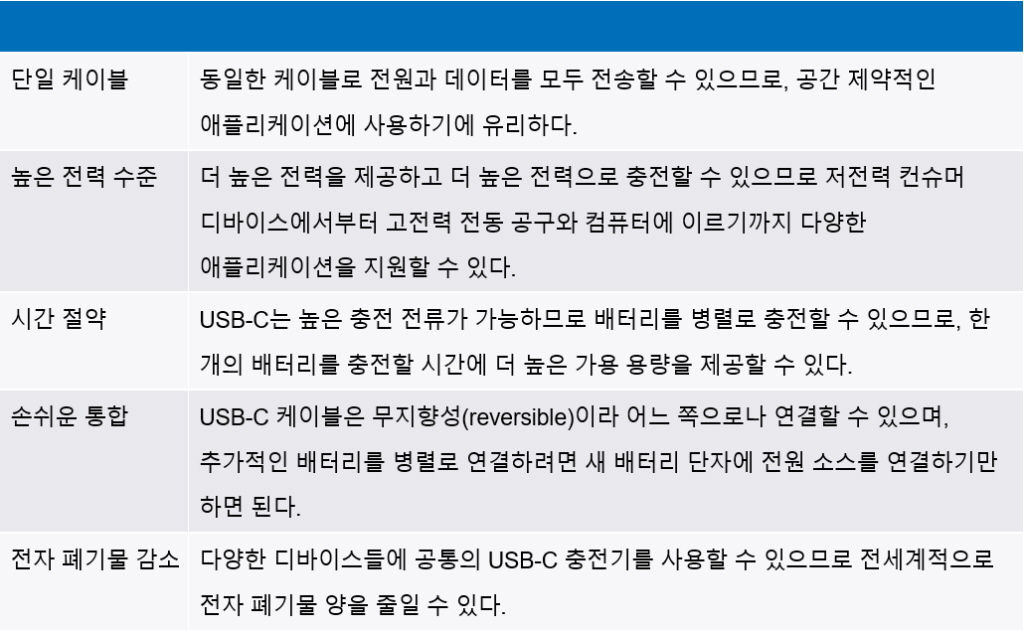
▲표 1 : USB 및 병렬 배터리 충전의 장점
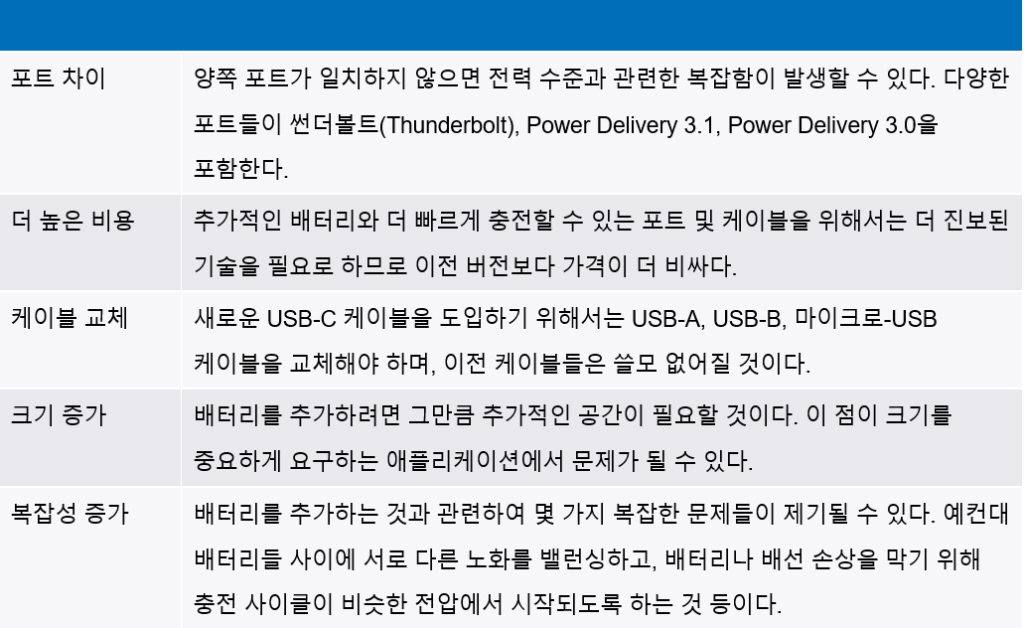
▲표 2 : USB-C 및 병렬 배터리 충전의 단점
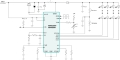
그림 2는 MAX17330을 활용한 병렬 배터리 충전 환경을 보여준다. MAX17330은 배터리 차저, 연료 게이지, 프로텍터를 하나의 IC로 통합한 것이다. MAX17330은 USB-C 호환 차저 또는 컨버터로부터 전원을 공급받고, 이를 가지고 빠른 속도로 병렬 배터리 팩들을 충전함으로써 사용자가 충전 시간을 단축할 수 있게 해준다.
또한 이 구성은 배터리를 독창적인 위치에 배치할 수 있게 해준다. 예를 들어 배터리를 AR/VR 헤드셋의 양쪽에 하나씩 배치하거나, 폴더블 폰의 양쪽에 하나씩 배치하는 식이다. 이 칩의 장점은 전압 강하와 열 발생을 최소화하고, 병렬 배터리들에 대한 교차 충전을 방지하며, 병렬 팩들을 개별적으로 충전할 수 있다는 것이다.
■ MAX17330의 실제 애플리케이션 사례
지금까지 USB-C를 활용한 병렬 배터리 충전의 장점과 단점, 그리고 병렬 배터리 충전 및 USB-C의 조합에 대해 간략한 알아보았으니, 이제부터는 몇 가지 실제 애플리케이션 사례들을 살펴보기로 한다.
몇몇 컨슈머 시장에서는 이미 USB-C를 활용한 병렬 배터리 충전이 도입되고 있다. AR/VR 헤드셋, 무선 드릴 및 기타 전동 공구, 랩톱, 포터블 태블릿 등이 그러한 사례들이다. 그런데 이러한 시스템을 구현할 때 표 2에서 언급한 과제들이 설계 엔지니어들에게 몇몇 고충을 초래할 수 있다.
아나로그디바이스(Analog Devices)는 설계 엔지니어들이 겪을 수 있는 고충을 덜 수 있도록 포괄적인 솔루션을 제공한다. 예컨대 그림 2의 블록들을 MAX17330로, USB-C 컨트롤러 자리는 MAX77958로, 그리고 다운스트림 소스 자리는 MAX77986으로 대체할 수 있다.
MAX77958은 USB-C 전력 공급 수준을 지정하는 맞춤형 펌웨어와 독립형 솔루션을 제공하여 엔지니어가 설계를 간소화할 수 있게 하며, MAX77986은 USB-C를 위한 다운스트림 소스로 동작하여 시스템의 나머지 부분들에 전원을 공급한다.
이와 같은 셋업은 15W 혹은 그 이상의 전력을 필요로 하는 애플리케이션에 사용하기에 적합하다.
15W 미만을 필요로 하는 애플리케이션의 경우, 1S 3A 차저와 USB-C 보호 기능을 특징으로 하는 MAX77789가 이상적인 솔루션이다.
아나로그디바이스는 사용자가 이들 디바이스의 기능을 평가할 수 있도록 MAX17330 EV 키트와 MAX77789 EV 키트를 제공한다. 프로토타입 개발을 위한 MAX17330 샘플 주문은 샘플 웹사이트에서 할 수 있다. ‘MAX17330에 대한 소개’ 동영상을 통해 MAX17330에 관한 더 많은 정보를 확인할 수 있다.
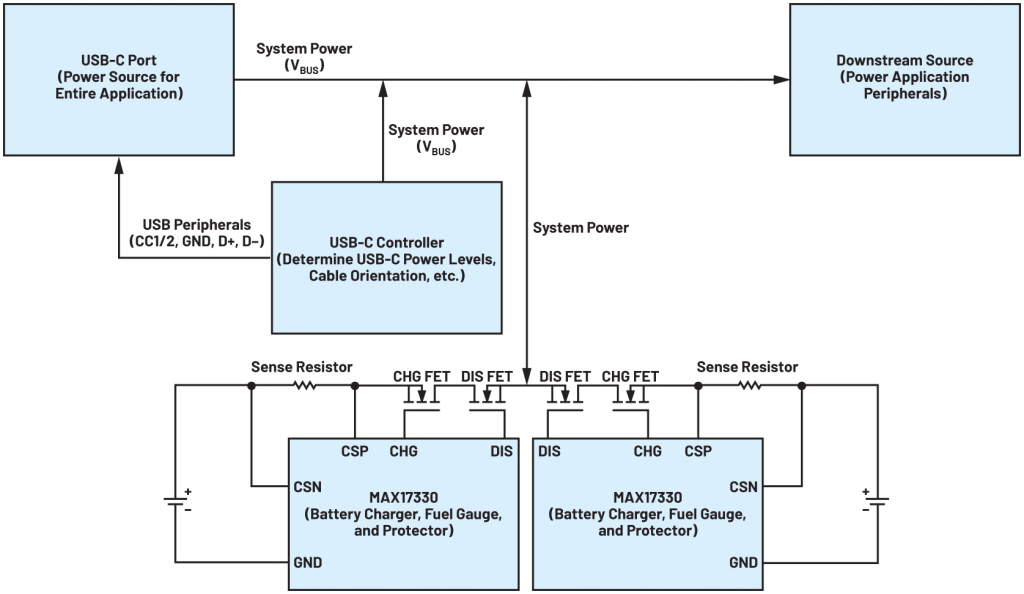
▲그림 2 : MAX17330을 활용한 병렬 배터리 충전 환경의 블록 다이어그램
오늘날 소비자들은 효율을 극대화하기를 원하고 자신의 디바이스를 충전하는 데 시간을 빼앗기고 싶어하지 않는다. 이 글에서 소개한 아나로그디바이스의 제품들을 활용함으로써 USB-C의 빠른 충전과 병렬 배터리 팩의 이점을 누릴 수 있다.
그럼으로써 최종 제품에서 효율을 극대화하고 배터리 사용 시간을 연장하며, 충전 시간을 단축할 수 있다. 컨슈머 시장은 끊임없이 변화하므로 설계 엔지니어들은 그러한 변화를 빠르게 인식하고 소비자들의 요구를 충족하는 새로운 방법을 찾아야 한다.
차세대 컨슈머 디바이스의 충전과 관련해서 새로운 방법을 찾을 때 해결책이 될 수 있는 것이 USB-C를 사용한 병렬 배터리 충전이다.
※ 저자 소개
카일 존슨(Kyle Johnson)은 아나로그디바이스 센트럴 애플리케이션 그룹의 애플리케이션 엔지니어이다. 산타클라라 대학에서 전기공학 학사학위를 취득했으며, 2020년 8월에 ADI에 입사했다. 그전에는 맥심 인터그레이티드(Maxim Integrated, 현 ADI)의 기술영업팀에서 인턴십을 마쳤다.

.jpg)
.jpg)