마이크로칩이 맥스터치(maXTouch) 터치스크린 컨트롤러 3종 및 최적화 서비스를 출시했다고 밝혔다. 최신 터치 컨트롤러 TD 제품군은 신호 대 잡음비를 향상한 새로운 차동 상호 신호 획득 방식을 사용한다. 이를 통해 두꺼운 유리 및 플라스틱 커버 렌즈를 사용했을 때와 최대 4.5mm 두께의 PMMA 소재의 두꺼운 장갑을 착용한 상태에서의 멀티 핑거 터치를 지원한다. 각 디바이스는 기능 안전성과 관련하여 증가하는 요구에 부합하며, A-SPICE Level 3와 ISO 26262 자동차 기능안전표준에 정의된 ASIL B 요건에 따라 설계되었다.
| SNR 향상한 차동 상호 신호 획득 방식 사용
| 4.5mm 두께 장갑 껴도 멀티 핑거 터치 가능
| A-SPICE Level 3, ISO 26262 ASIL B 충족
차량용 터치스크린 개발자들이 직면한 전자파간섭(ElectroMagnetic interference; EMI) 및 전자파적합성(ElectroMagnetic Compatibility; EMC) 문제를 해결하기 위해 마이크로칩이 터치스크린 컨트롤러 3종과 최적화 서비스를 출시했다.
.png)
마이크로칩, 차량용 터치스크린 신호 대 잡음비 개선
맥스터치 터치스크린 컨트롤러 3종 출시
마이크로칩이 ‘맥스터치(maXTouch)’ 터치스크린 컨트롤러 3종 및 최적화 서비스를 출시했다고 1일 밝혔다.
최신 터치 컨트롤러 TD 제품군은 신호 대 잡음비(Signal-to-Noise Ratio; SNR)를 향상한 새로운 차동 상호 신호 획득 방식을 사용한다.
이를 통해 두꺼운 유리 및 플라스틱 커버 렌즈를 사용했을 때와 최대 4.5mm 두께의 폴리메틸 메타크릴레이트(PolyMethyl MethAcrylate; PMMA) 소재의 두꺼운 장갑을 착용한 상태에서의 멀티 핑거 터치를 지원한다.
MXT1067TD, MXT1189TD, MXT1665TD 디바이스는 9~13inch 차량용 터치스크린용으로 비용을 최적화한 변형 제품들로, 최대 20inch 터치스크린을 지원하는 MXT449TD, MXT641TD, MXT2113TD, MXT2912TD 디바이스와 더불어 마이크로칩의 제품 포트폴리오를 한층 강화했다.
각 디바이스는 기능 안전성과 관련하여 증가하는 요구에 부합하며, 자동차 소프트웨어 개발 국제표준(Automotive SPICE, A-SPICE) Level 3와 ISO 26262 자동차 기능안전표준에 정의된 자동차 위험등급(Automotive Safety Integrity Level, ASIL) B 요건에 따라 설계되었다.
TD 제품군의 모든 디바이스는 EMI 최적화 도구를 통해 터치 컨트롤러의 방사 방출(Radiated Emission; RE) 성능을 최적화하기 위한 고유한 파형정형(Waveform Shaping) 기능을 갖추고 있다.
개발자들은 마이크로칩의 전 세계 애플리케이션 디자인센터의 제품 전문가와 협업하고, 이 도구를 이용하여 사용자 정의 RF 한계를 입력할 수 있으며 터치 감지 획득에 사용되는 전송된 버스트 파형의 모양을 조정할 수 있다.
파형정형은 해당 도구에서 파생된 펌웨어 매개 변수를 통해 이루어지며, 개발자는 원격 무선도어 잠금장치와 같은 다른 차량 내 애플리케이션들과 함께 동작하도록 기본적인 버스트 주파수를 설정할 수 있다.
설정된 매개 변수는 맥스터치 구성 파일에 간단히 추가되며, 구성파일은 터치 컨트롤러의 성능을 개별적인 고객의 디자인에 맞게 최적화한다.
개발자는 이러한 프로세스를 통해 원하는 EMI/EMC 성능을 달성하기 위한 다양한 구성 설정에 따른 실험과정을 제거함으로써, 값비싼 비용의 EMC 테스트 챔버 시간을 적게는 몇 시간, 많게는 몇 주까지 줄일 수 있다.
마이크로칩의 차량용 터치스크린 컨트롤러의 주요 목표 애플리케이션은 CSD(Center Stack Display)와 내비게이션 시스템이지만, 자동화 및 생산 시설과 같은 산업용 애플리케이션에도 이상적이다.
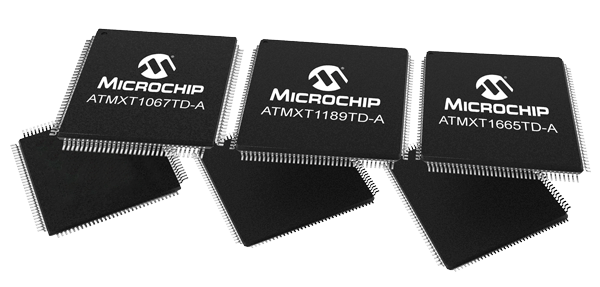
MXT1067TD, MXT1189TD, MXT1665TD 디바이스
맥스터치 터치스크린 컨트롤러 제품군은 각 부품마다 이용 가능한 평가 키트가 있다.
키트 번호는 ATEVK-MXT1067TDAT-A(I2C), ATEVK-MXT1189TDAT-A(I2C), ATEVK-MXT1189TDAT-C(SPI), ATEVK-MXT1665TDAT-A(I2C), ATEVK-MXT1665TDAT-C(SPI)이다.
각 키트에는 맥스터치 터치스크린 컨트롤러가 탑재된 PCB, 투명 유리 렌즈의 터치 센서, 센서연결용 FPC(Flat Printed Circuit) 및 USB를 통해 키트를 호스트 컴퓨터에 연결하는 브리지 PCB, 케이블, 소프트웨어 및 문서가 포함되어 있다.
모든 부품은 맥스터치 터치스크린 컨트롤러의 평가를 지원하는 소프트웨어 개발 환경인 ‘맥스터치 스튜디오(maXTouch Studio)’와도 호환된다.
맥스터치 EMI 최적화 서비스는 마이크로칩의 전 세계 애플리케이션 디자인센터에서 제공하는 시스템 지원의 일환으로 제공될 예정이다.
MXT1067TD, MXT1189TD, MXT1665TD 디바이스는 현재 TQFP128(MXT1067TD 디바이스만 가능) 및 LQFP144 패키지로 샘플링 및 양산이 가능하다.
마이크로칩의 휴먼 머신 인터페이스 사업부 부사장 패니 더벤하그(Fanie Duvenhage)는 “마이크로칩의 차량용 터치스크린 솔루션은 디자인 과정을 간소화하고 시간을 단축”한다며, “개발자들은 전 차종에 걸쳐 다양한 크기와 사용 사례, 다양한 커버 렌즈 재질 및 두께에 대해 동일한 디자인 환경과 제품 기능을 사용할 수 있을 것”이라고 말했다.
그러면서 “전 세계에 위치한 8곳의 애플리케이션 및 센서 전담 디자인센터들에서 마이크로칩의 디바이스를 지원”한다면서 “고객사들은 화면 크기와 종횡비부터 디스플레이의 종류와 제공업체, 전체 스택업의 아키텍처에 이르기까지 모든 필요 요소에 맞게 설계할 수 있다”라고 밝혔다.