‘하이 니켈계 끝판왕’ 나왔다…Ni 98% 양극재
기사입력 2021.08.18 15:03
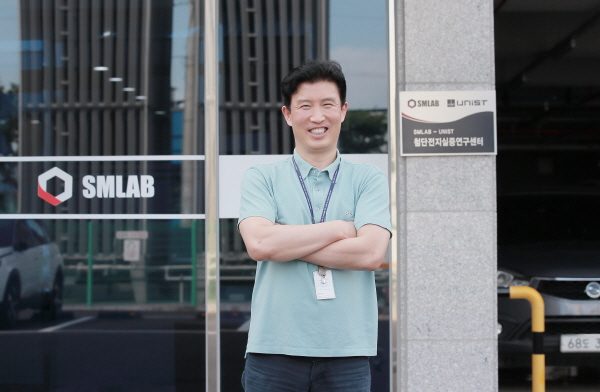
▲UNIST 에너지화학공학과 조재필 특훈교수(에스엠랩(SMLAB) CEO)
UNIST SMLAB, Ni98 NCMA 단결정 소재 기술 개발
전기차 배터리 가격의 40%는 비싼 코발트가 들어간 양극재가 차지한다. 가격을 낮추려면 코발트를 적게 쓰면서도 용량은 커야 하는데, UNIST 교원창업기업에서 최적의 대안을 제시했다. ‘하이-니켈계 끝판왕’으로 기대되는 ‘Ni98 NCMA (NiCoMnAl) 단결정 소재’다.
UNIST(총장 이용훈) 에너지화학공학과의 조재필 특훈교수가 창업한 에스엠랩(SMLAB)에서 비싼 코발트(Co) 함량은 1% 미만으로 줄이고, 니켈(Ni) 함량을 98%까지 끌어올린 전기차 배터리용 양극재를 개발했다고 18일 밝혔다.
니켈(Ni) 함량은 배터리 용량을 좌우하는 요소로, 함량을 98%까지 높인 양극재 개발은 이번에 처음 보고됐다.
니켈 함량이 80% 이상인 양극재(NCM, NCA)는 흔히 ‘하이-니켈 소재’라 불린다. 비싼 코발트 사용을 최소화하면서 높은 용량을 발현하므로 배터리 업계에서 주목받았다. 핵심 기술은 니켈 함량을 최대로 높여 주행거리를 늘리면서 수명 특성을 개선하는 것인데, 에스엠랩에서는 니켈 함량을 98%까지 높인 것이다.
일반적으로 니켈 함량이 1% 늘어나면 소재 1kg당 용량은 2Ah(암페어 시)가 증가한다. 니켈 함량을 90%에서 98%로 높이면 용량이 16Ah(암페어 시) 증가하는 효과를 볼 수 있는 것이다.
에스엠랩의 CEO인 조재필 UNIST 특훈교수는 “전기차용 배터리에 일반적으로 사용되는 양극재의 양이 100kg인 점을 고려하면, 1600Ah(암페어 시)만큼의 용량이 늘어나 주행거리 증대로 이어지는 것”이라며 “실제로 Ni98 양극재를 적용한 배터리 셀의 구현용량은 230Ah/kg”이라고 설명했다.
배터리 용량이 늘어나면 수명 및 안정성은 줄어들 수 있다. 에스엠랩에서는 이 부분을 ‘세라믹 계열의 신규 코팅 물질’을 적용해 개선했다.
현재 상용화 중인 하이-니켈 소재의 니켈 함량은 88∼90% 정도이며, 양극재를 합성할 때 소재 표면에 남아있는 리튬 불순물을 물로 씻어서 제거하는 공정(수세 공정)을 거쳐야 한다. 하지만 세척 과정에서 다량의 원소가 물에 녹아 양산 품질을 확보하지 못한다. ‘2021 더 배터리 컨퍼런스’에서 국내 배터리 제조사 3곳이 이론적으로 양산 가능한 최대 니켈 함량을 94%로 제시하고도 아직 개발하지 못한 이유가 여기에 있다.
또 다른 문제점은 현재 상용 양극재들이 아주 작은 입자들이 뭉쳐진 ‘다결정 형태’라는 데 있다. 다결정 소재는 배터리 재료를 제조하는 공정인 압연 시 쉽게 부서진다. 압연은 양극소재가 코팅된 알루미늄판를 회전하는 롤(roll) 사이로 통과시켜 일정한 두께의 판으로 만드는 과정인데, 다결정 소재는 이 과정을 거치며 깨져서 배터리 내에서 불필요한 반응을 촉진한다. 이때 가스 발생이 늘고, 충·방전 주기에도 영향을 주므로 수명이 감소하는 것이다. 에스엠랩에서는 ‘단결정 형태’로 양극재를 만들어 이런 문제를 확연히 줄였다.
새로 개발한 Ni98 NCMA 단결정 소재는 가장 비싼 성분인 코발트 함량이 1% 미만이라 단가 경쟁에서도 유리하다. 보통 니켈 함량 90%(Ni90) 양극재는 코발트를 5% 이상 사용해 가격을 높이기 때문이다.
조 교수는 “에스엠랩은 경쟁사 대비 2년 앞서 니켈 함량 98% 양극재 개발에 성공한 것”이라며 “2022년 초에 양산 검증을 계획하고 있다”고 밝혔다.
한편 에스엠랩은 2018년 7월 설립된 스타트업으로 니켈 함량 83% 이상의 NCM(A) 및 NCA를 수세 공정 없이 단결정 형태로 양산화하는 기술을 보유하고 있다. 2023년 7월까지 이 단결정 양극재 생산량을 현행 7,200톤에서 2만1,600톤까지 늘릴 계획이다. 에스엠랩의 누적 투자유치금은 640억원에 이른다.
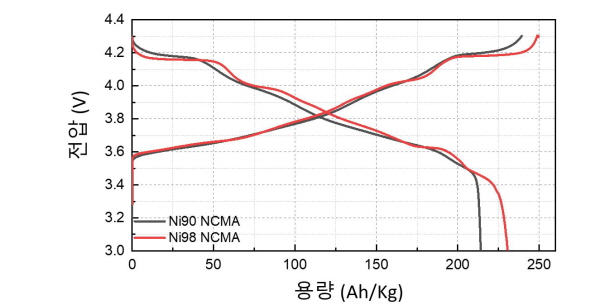
▲니켈(Ni) 함량 90%와 98% NCMA 소재의 충·방전 용량 비교

관련뉴스
-

UNIST, 적응광학 기술 탐침증강 나노현미경 접목
UNIST 물리학과 박경덕 교수팀은 적응광학 기술을 탐침증강 나노현미경에 접목한 새로운 광학분석 기술을 개발했다. 카멜레온처럼 관찰 대상에 따라 관찰 방법을 자유자재로 바꿀 수 있어, 생물학적 바이러스, 화학적 단일분자, 반도체 입자와 같이 종류가 다른 초미세 입자의 특성을 하나의 현미경으로 분석할 수 있을 것으로 기대를 모으고 있다.
2021-06-17 오전 11:35:40by 배종인 기자
-
UNIST, AI로 태양전지 개발
인공지능(AI)을 이용해 유기 태양전지를 개발할 수 있는 기술이 선보여 향후 전자 소재 개발에서도 응용이 가능할 것으로 기대를 모으고 있다.
2021-06-25 오전 9:47:22by 배종인 기자
-
UNIST, 차세대 데이터센터 기술확보·인재육성 본격화
UNIST(총장 이용훈)가 주도하는 ‘하이퍼-컴포저블 데이터센터 연구센터’가 2021년도 대학ICT연구센터(ITRC) 육성지원사업에 선정됐다. 연구센터는 향후 최대 8년간 60억원의 연구비를 확보해 차세대 데이터센터 기술 확보와 인재 육성에 나선다.
2021-07-07 오후 4:10:25by 배종인 기자

많이 본 뉴스

[열린보도원칙] 당 매체는 독자와 취재원 등 뉴스이용자의 권리 보장을 위해 반론이나 정정보도, 추후보도를 요청할 수 있는 창구를 열어두고 있음을 알려드립니다.
고충처리인 장은성 070-4699-5321 , news@e4ds.com