삼성전자, 5G 네트워크 슬라이싱 검증 성공
기사입력 2023.01.25 11:34
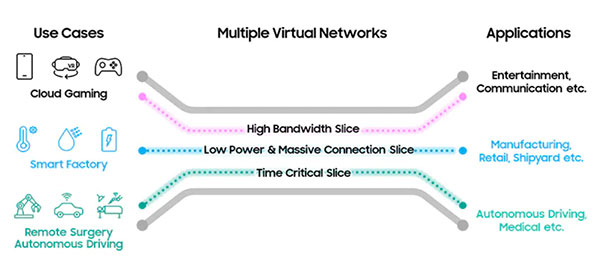
▲5G 네트워크 슬라이싱 기술 설명(자료=삼성전자)
일본 KDDI와 도쿄서 SLA 보장 기술 검증 성공
하나의 네트워크서 다수 서비스 "5G 확산 기여"
하나의 네트워크서 다수 서비스 "5G 확산 기여"
삼성전자와 일본 이통사 KDDI가 5G 핵심 기술 네트워크 슬라이싱 검증을 완료했다.
삼성전자가 일본 이동통신사업자 KDDI와 작년 9월부터 진행한 5G 단독모드(Stand Alone, SA) 상용망 환경에서 ‘네트워크 슬라이싱(Network Slicing)’ 기술 검증에 성공했다고 20일 밝혔다. 특히 이번 검증에서는 보행·자동차 주행 등 다양한 사용자의 실생활 환경에서 서비스별 필요한 기술 요구 사항(SLA, Service Level Agreement)을 성공적으로 시연했다.
‘5G 네트워크 슬라이싱 기술’은 물리적인 이동통신망을 다수의 독립된 가상 네트워크로 나누는 기술이다. 5G 구현을 통한 초저지연, 초고속 등을 달성해 다양한 서비스별 맞춤형 통신을 제공할 수 있다.
시험은 삼성전자가 공급한 5G SA 기지국과 5G SA 코어 장비에 현재 일본에서 판매되고 있는 스마트폰을 연동하는 방식으로 진행됐다.
이번 시험을 통해 삼성전자는 세계 최초로 상용망에서 오픈랜 얼라이언스에서 정의한 기지국 지능형 컨트롤러(RAN Intelligent Controller, RIC)를 활용해 네트워크 슬라이싱 검증에 성공했다고 말했다.
기지국 지능형 컨트롤러는 RAN의 사용자 서비스 상황에 따라 무선 자원을 최적화해 전반적인 네트워크 품질을 향상시키는 5G 소프트웨어 기반 구성요소다.
삼성전자는 네트워크 슬라이싱 기술이 고성능과 낮은 대기 시간을 필요로 하는 광범위한 서비스를 활성화하는 데 도움이 될 것이라 전했다.

향후 네트워크 슬라이싱 기술이 본격적으로 상용화되면, 하나의 네트워크에서 서로 다른 기술 특성을 요구하는 여러 서비스를 동시에 제공하는 것이 가능해져 5G 서비스 확산에 크게 기여할 것으로 기대된다.
예컨대 자율주행, 클라우드 게이밍 등 초저지연과 높은 신뢰성이 요구되는 서비스와 AR·VR 스트리밍, 고화질 스포츠 경기 생중계 등 높은 통신 속도가 요구되는 서비스를 동시에 제공하면서도 각각의 품질을 보장하는 것이 가능해진다.
삼성전자 네트워크사업부 전략마케팅팀장 이준희 부사장은 “네트워크 슬라이싱은 5G 및 차세대 통신망에서 다양하고 혁신적인 서비스를 가능하게 할 핵심 기술로 그 중요성이 점차 커질 것”이라고 말했다.
KDDI 모바일기술본부 요카이 토시카즈 본부장은 “5G 상용망에 네트워크 슬라이싱 기술을 적용해 일반 고객 및 기업용 서비스 검증에 성공한 것은 KDDI의 5G 여정에 중요한 진전”이라며, “KDDI는 앞으로도 삼성전자와 협력하여 보다 진보한 통신 기술을 바탕으로 고객들에게 최신의 5G 서비스를 제공해 나가겠다”고 말했다.
한편 삼성전자는 2020년 KDDI 연구소에서 5G 네트워크 슬라이싱 기술 시연에 세계 최초로 성공했으며, 삼성네트웍스는 KDDI에 미드밴드(3.7~3.8)를 지원하는 다양한 무선 기지국을 포함한 5G 네트워크 솔루션을 제공해왔다. 삼성전자는 “이번 일본 도쿄 시내의 5G 상용망에서 기술 검증에 성공함에 따라 본격적인 상용화에 한걸음 더 다가섰다”고 전했다.
KDDI는 작년 2월 삼성전자 및 후지쯔와 협력해 세계 첫 상용 5G 단독모드(SA) 오픈랜 네트워크를 시행한 바 있다. 이는 삼성전자의 오픈랜 호환 5G 가상화 CU(vCU)와 가상화 DU(vDU), 후지쯔의 MIMO 무선 장치(오픈 RAN 호환)를 사용했다.

관련뉴스
-

한국공항공사, 공항 환경내 ‘5G 특화망’ 적용 성공
한국공항공사 스마트공항추진실이 공개한 ‘5G 특화망 스몰셀 네트워크 기술검증(PoC) 시행결과보고’ 자료에 따라, 통신 3사가 서비스하지 않는 항공무선표지소에도 5G급 무선통신망을 구축해 긴급대응을 위한 연락체계를 확보할 수 있게 됐다.
2022-12-22 오전 11:02:33by 김예지 기자
-
이음 5G, 대학·방산 분야 '확산'
과학기술정보통신부는 22일 엘지씨엔에스, 한국항공우주산업, 정부청사관리본부, 엘지전자에게 이음5세대 주파수 공급을 완료하였다고 밝혔다. 모두 4.7GHz 대역 신청 주파수 대역 전체(100MHz 폭)로 공급 완료했다.
2022-12-23 오전 8:43:53by 김예지 기자
-

이통 3사, 5G 28GHz 할당 제한 '확정'
과학기술정보통신부는 2018년 5G 28GHz 대역 주파수 할당 시 부과한 할당조건에 대한 이행점검 및 행정절차법 상 의견청취 절차가 완료됨에 따라 처분내용을 최종 확정하고, 23일 결과를 발표했다.
2022-12-26 오전 11:08:13by 김예지 기자
-

SKT, '5G MEC' 美 지상파 진출
SK텔레콤이 28일(현지시간) 美 싱클레어, SK스퀘어 산하 미디어 테크 기업 캐스트닷에라와 MEC 및 가상화 기술을 활용한 지상파 방송 송출에 성공했다.
2022-12-29 오후 1:05:38by 김예지 기자
-

"2022년 5G 속도, 전년比 11.8%↑"
과학기술정보통신부와 한국지능정보사회진흥원은 이용자들에게 유?무선 통신서비스 수신권역 및 품질에 대한 정보 제공을 위해 2022년 통신서비스 수신권역 점검 및 품질평가를 실시 및 결과를 발표했다.
2022-12-30 오전 11:57:02by 김예지 기자
-

[기획]2023년 통신 시장 전망 "5G, 여전히 뜨거운 감자"
2022년 통신 시장은 5G 주파수 대역 분배가 단연 이슈였다. 정부가 6G 서비스 선점에 적극 나서겠다는 가운데, 여전히 5G를 둘러싼 논란의 불이 꺼지지 않을 것으로 보인다. 이통 3사의 3.7~3.72GHz 대역 추가 주파수 분배 방안이 지속 촉구되고 있다. 한편 5G 중간요금제 관련 과기부와 통신사 간 논의도 지속될 것으로 전망된다. 국내 인터넷제공사업자(ISP)와 콘텐츠 제공자(CP) 사이의 고질적 문제로 자리잡은 ‘망 사용료 부가’ 논쟁이 심화돼 관련 법안의 향방이 주목된다.
2023-01-02 오전 10:56:50by 김예지 기자
-
SKT-노키아, 오픈랜 가상화 기지국 5G 실증 성공
SK텔레콤은 노키아와 클라우드 기반의 오픈랜 가상화 기지국을 상용망에 설치하고, 필드 시험을 통해 안정적인 5G 서비스 속도 및 커버리지 성능을 확인했다
2023-01-10 오후 2:50:10by 김예지 기자
-

[기획]’5G MEC’, 로딩 없는 세계 이끈다
4차 산업혁명을 구현하는 핵심 기술인 엣지 컴퓨팅이 팬데믹으로 인해 급성장하며 기존 산업의 패러다임을 바꾸고 있다. 빠르고 안정적이며, 저렴한 서비스 제공이 가능하다는 장점 덕분에 엣지 컴퓨팅 기술은 보안, 의료, 자율주행차, 스마트팩토리 등을 넘어 광범위한 확대로 영역이 확대되며 핵심 디지털 인프라로 자리매김하고 있다. 국내에서는 이통 3사가 5G MEC 기술 선점을 위한 본격적인 경쟁에 뛰어 들었다. #엣지컴퓨팅 #모바일엣지컴퓨팅 #5G #MEC #IDC #SKT #KT #LGU+
2023-01-12 오전 10:29:54by 김예지 기자
-

이통 3사, 5G·6G 핵심 ‘오픈랜’ 각축전
국내 이통 3사의 ‘오픈랜(O-RAN)’ 기술 선두 싸움을 위한 신경전이 거세지고 있다. 오픈랜은 ‘개방형 무선 접속망' 기술로, 무선 기지국 등 이동통신 장비와 소프트웨어를 분리하고, 장비 연결에 필요한 인터페이스를 표준화해 서로 다른 제조사의 장비가 상호 연동되게끔 하는 기술이다. #SK텔레콤 #LG유플러스 #KT #오픈랜 #화웨이 #노키아 #에릭슨 #삼성전자
2023-01-18 오후 3:38:39by 김예지 기자



많이 본 뉴스

[열린보도원칙] 당 매체는 독자와 취재원 등 뉴스이용자의 권리 보장을 위해 반론이나 정정보도, 추후보도를 요청할 수 있는 창구를 열어두고 있음을 알려드립니다.
고충처리인 장은성 070-4699-5321 , news@e4ds.com