여전히 IT 인프라 취약한 병원 내 시설 3곳, 보완법은?
기사입력 2020.02.28 08:20
IT 인프라 투자 필요한 병원 내 시설
영상 촬영실, 간호사실, 그리고 원무과
UPS 이중화, 최신 KVM 사용 등 권장
병원과 의료기관들은 그동안 전자건강기록(Electronic health records; EHR)의 도입 및 확산, 그리고 활용을 뒷받침할 IT 인프라 구축에 힘써왔다. 하지만 아직 간과되고 있는 병원 IT 네트워크들이 남아 있다.
버티브는 27일, IT 인프라 투자를 늘리면 효과를 거둘 수 있는 병원 내 시설 3가지와 그에 따른 솔루션을 제시했다.
앤지 맥밀린(Angie McMillin) 버티브 사업 계획 부사장은 “일반적으로 병원들은 여러 IT 인프라 중 핵심 시스템의 가용성을 보장하기 위한 산업용 대용량 무정전 전원공급장치(UPS)를 우선순위로 두고 있다”라면서 “몇몇 분야에서는 잠재적으로 문제가 발생할 소지가 있으며 그 피해는 병원이 아닌 환자에게 미칠 수 있다”라고 지적했다.
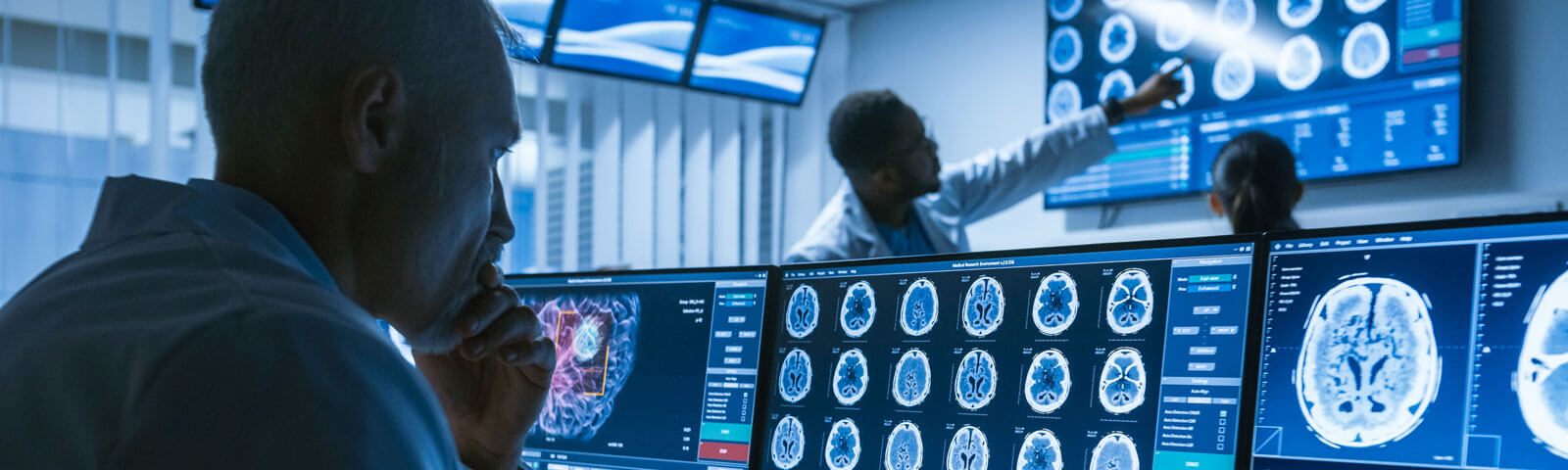
▲병원 영상 촬영실 (이미지=버티브)
버티브가 선정한 IT 인프라 투자가 필요한 병원 내 시설 중 첫 번째는 영상 촬영실이다.
의료용 스캔 및 영상 분야는 미세한 부분까지 포착하는 4K 기술의 효과를 경험하고 있다. 하지만 그만큼 더 빠른 데이터 전송속도와 낮은 지연 시간을 요구한다.
여러 워크스테이션에 걸쳐 있는 수많은 파일과 서버에 손쉽게 접속할 수 있게 해주는 KVM 스위치 같은 기존 인프라 장비들은 오늘날의 고해상 이미지나 동영상을 지원하지 않는다.
최신 KVM 스위치 장비들은 보다 고해상 이미지를 지원할 수 있다. 의사들은 방송 산업 분야에서 사용되는 것과 같은 고해상 이미지와 동영상을 활용할 수 있어야 한다.
두 번째는 간호사실이다.
많은 병원이 UPS 시스템과 발전기에 의존해 전체 설비에 대한 백업 전력을 제공한다. 이는 이론적으로는 문제가 없지만, 만약 중앙의 UPS 시스템에 고장이 생긴다면 병원 전체의 일상적인 업무에, 때에 따라서는 응급 업무에 지장이 초래될 수 있다.
간호사실은 특히 취약하다. 환자 상태에 대한 기록을 수시로 업데이트하는 것을 비롯하여 치료 관리, 처방 일정 등의 업무들을 IT 시스템에 크게 의존하기 때문이다.
더 늘어난 배터리 사용 시간을 지원하는 로컬 UPS 시스템을 활용하면 중앙 UPS 시스템에 대한 이중화를 통해 이러한 핵심 IT 시스템의 가용성을 보장할 수 있다.
간호사실에서는 자주 원격 데스크톱이나 KVM 스위치를 사용하여 데이터에 접속하거나 관리하지만, 네트워크 연결이 끊어질 때 그러한 장비들은 무용지물이 되고 만다. 이러한 이유로, OOB(Out-of-band) 관리 기능을 지원하는 KVM 스위치를 사용하는 것이 좋다.
OOB 원격 관리는 병원에서 매우 중요하다. 오늘날 의료진이 환자를 돌보는 중요한 작업에 지장을 주지 않으면서 IT 작업 관리자가 간단한 직렬 콘솔 서버로 일상적인 업무를 원격에서 수행할 때, 시스템 유지 관리 작업이 생명 결정적 활동을 쓸데없이 방해하는 경우가 많이 발생한다.
세 번째는 원무과다.
원무과에서는 환자의 민감한 개인 정보들과 그렇지 않은 애플리케이션들 사이를 왔다 갔다 하는 일이 빈번하게 이루어진다.
예컨대, 환자 진료 기록에 접속해 있으면서, 보험사 정보를 검색하느라 인터넷 브라우저를 열어두는 경우가 그렇다. 이럴 때, 적절한 장비가 없다면 노련한 해커가 침입할 수 있는 취약성을 노출할 수 여지가 있다.
통상적으로 정부 애플리케이션에 사용되는 보안 스위치 제품들은 민감한 플랫폼과 그렇지 않은 것 사이에서 안전한 전환을 보장하는데, 이들은 보건 시스템을 비롯하여 개인 정보 보안 필요성이 제기되는 그 밖에 다른 애플리케이션에서 새로운 활용 사례를 만들어 낼 수 있다.
이수민 기자
관련뉴스
-
SE-소트와이어, 스마트 디지털 병원 구축 MOU 체결
슈나이더 일렉트릭이 2일부터 3일까지 스페인 바르셀로나에서 개최한 이노베이션 서밋 바르셀로나 2019에서 스마트 의료 환경 구축을 위해 디지털 트윈 업체 소트와이어와 전략적 파트너십을 체결했다고 밝혔다. 양사는 앞으로 환자 중심의 스마트 디지털 병원을 구현하여 오늘날 의료 시스템이 직면한 시설 관리와 임상운영 사이의 연결성 부재를 해결하고, 환자와 의료인의 만족도를 개선하며 운영 효율성을 높일 계획이다.
2019-10-16 오전 7:01:04by 이수민 기자
-
KT, 삼성병원에 세계 최초 5G 의료서비스 시작
KT와 삼성서울병원이 세계 최초로 의료행위에 5G 서비스를 활용한다. 기업전용 5G를 통해 수술실 내 자율주행 로봇이 비품과 폐기물을 나르고 AI서비스로 병실 환자를 케어하는 동시에 5G 싱크캠으로 집도의의 수술장면을 고화질로 실시간 전송한다. 양사는 5G 스마트 혁신 병원 구축을 목표로 협력을 지속할 계획이다.
2020-01-14 오전 10:36:20by 최인영 기자
-
오토메이션애니웨어-분당서울대학교병원, 헬스케어 빅데이터 공동연구 MOU 체결
오토메이션애니웨어는 13일, 분당서울대학교병원과 헬스케어 빅데이터 공동연구 MOU를 체결했다. 양 기관은 이번 MOU를 통해 헬스케어 빅데이터 활용을 위한 AI 및 머신 러닝 기반 기술 관련 공동연구를 발굴하고 지원키로 했다. 오토메이션애니웨어는 AI 및 머신 러닝 기반 RPA 기술을 분당서울대학교병원에 제공하여 의료 빅데이터를 분석할 수 있는 업무 프로세스 구축을 지원한다.
2020-02-14 오후 3:32:28by 이수민 기자

.png)
관련 웨비나
많이 본 뉴스

[열린보도원칙] 당 매체는 독자와 취재원 등 뉴스이용자의 권리 보장을 위해 반론이나 정정보도, 추후보도를 요청할 수 있는 창구를 열어두고 있음을 알려드립니다.
고충처리인 장은성 070-4699-5321 , news@e4ds.com