서울 지하철 4호선에 LTE-R 적용하는 LG유플러스
기사입력 2020.06.03 13:25
U+·전파기지국, 서울 4호선 LTE-R 사업 착수
통합관제관리, 고속 운행 열차 상태 실시간 확인
역사 내 IoT 센서로 공기 질과 미세먼지 관리
LG유플러스는 3일, 한국전파기지국과 손잡고 서울교통공사 지하철 4호선 26개 역사에 LTE-R 적용 사업에 들어간다고 밝혔다. 적용 구간은 당고개부터 서울역을 거쳐 남태령에 이르는 본선 31.5Km 구간이다.
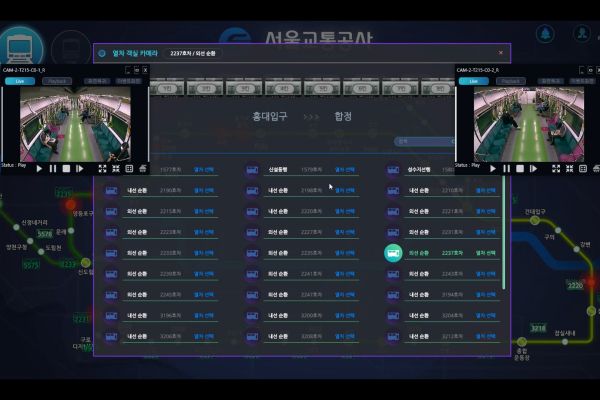
▲ LTE-R을 구축한 서울 지하철 2호선 관제센터에서
볼 수 있는 객실 내부 및 열차 현황 [제공=LG유플러스]
볼 수 있는 객실 내부 및 열차 현황 [제공=LG유플러스]
LTE-R은 LTE를 도시철도(Railway) 운영 활용에 최적화한 기술이다. 노후화된 열차 무선설비(VHF 방식)를 개선하여 달리는 열차 간, 열차와 관제센터 간, 유지보수자 상호 간 필요한 음성, 영상, 데이터를 효율적으로 전송할 수 있도록 지원한다.
이번 사업으로 이용객의 안정성이 대폭 강화될 것으로 양 기관은 기대했다. LTE-R의 끊김 없는 영상 신호를 통해 관제센터뿐만 아니라 운행 중인 열차의 기관사도 역사 진입 400M 전방부터 승강장 화면을 볼 수 있다. 기관사는 이를 통해 안전문의 이상 유무와 이용객의 안전사고를 예방할 수 있게 된다. 운행 중인 객차 내 CCTV 영상은 기관사와 함께 관제센터, 역무실에도 공유할 수 있어 객실 상황에 더욱 적절하고 신속한 대응이 가능해진다.
이번 LTE-R은 재난안전통신망(Public Safety-LTE)과 연동이 가능해 긴급상황 시 관계기관과의 공조가 빨라질 전망이다. LTE-R은 음성통화 방식 중 하나인 IMS(IP Multimedia Subsystem)를 채택해 같은 기술을 사용하는 군·경·소방의 PS-LTE와 교신을 원활히 할 수 있다.
LTE-R 기반의 통합관제관리를 통해 서울교통공사의 열차와 역사 운영 효율성도 높아질 전망이다. 관제센터에서 차량 전력상태와 같은 중요 정보를 고속으로 이동 중인 열차에 대해서도 파악할 수 있어, 다양한 상황에 대한 대응이 더욱 빨라질 것이라고 관계자는 설명했다.
역사에는 IoT 환경이 구축된다. 역사 곳곳에 설치된 IoT 센서로 공기 질을 측정해 미세먼지 수치 등을 체계적으로 관리할 수 있는 기반이 마련된다.
LG유플러스와 서울교통공사는 모든 해당 역사에 LTE-R 구축을 완료하고, 내년 1분기를 전후로 시험 운전에 나선다. 스마트 스테이션 등 추가적인 역사 발전 방안도 모색할 계획이다.
한편, LG유플러스는 소사-원시선, 서울 지하철 2·5호선에 LTE-R을 적용한 바 있다. 또한, 신림선 경전철, 한국철도시설공단 오송시험선, 중앙선 원주·제천 구간 등에 LTE-R을 적용 중이다.
관련뉴스
-
현대로템, 빅데이터 기반 '철도차량 상태기반 유지보수 시스템' 개발 위해 NBP와 맞손
현대로템은 철도차량 상태기반 유지보수 시스템 구축에 필요한 빅데이터 분석 플랫폼의 개발을 위해 NBP와 MOU를 체결했다. 현대로템은 최신화된 유지보수 시스템을 구축하기 위해 2018년 1월부터 상태기반 유지보수 시스템 개발을 진행해 왔으며 올해 안으로 기술개발을 완료할 계획이다. 이번 협약을 통해 현대로템은 클라우드를 기반으로 한 빅데이터 분석 플랫폼을 개발한다. NBP는 현대로템이 개발한 플랫폼이 네이버 클라우드 플랫폼에서 안정적이고 효율적으로 운용될 수 있도록 지원한다.
2020-02-14 오후 2:58:30by 이수민 기자
-
국가주요시스템 소프트웨어 관리로 국민 안전 확보한다
과학기술정보통신부가 국민 안전과 직결된 5개 국가시스템의 소프트웨어 진단을 통해 결함·위해를 제거하는 동시에 개선방안을 제시함으로써 안전성 향상에 나선다. 수자원공사, 대전도시철도공사, 위치추척중앙관제센터, 경기도교통정보센터, 한국감정원 등을 대상으로 기반 SW 안전성, 안전기능 충분성, SW 품질 등에 대한 컨설팅을 진행한다.
2020-03-01 오후 3:47:30by 최인영 기자
-

노키아, 400G 이더넷 강화하는 신규 포트폴리오 공개
노키아가 5세대 코히어런트 DSP 제품군인 PSE-V를 비롯하여 포토닉 칩, 디바이스, 서브 시스템으로 구성된 웨이브패브릭 엘리먼츠 포트폴리오를 발표했다. 엔드투엔드 400G 애플리케이션에 초점을 두고 디지털 신호 처리 장치와 광학 기술을 결합한 이번 포트폴리오는 데이터센터, 철도, 장거리 및 해저 네트워크에서 요구하는 고유한 기술적 요구사항 및 비용을 충족시킬 수 있다.
2020-06-01 오전 10:48:57by 이수민 기자

많이 본 뉴스

[열린보도원칙] 당 매체는 독자와 취재원 등 뉴스이용자의 권리 보장을 위해 반론이나 정정보도, 추후보도를 요청할 수 있는 창구를 열어두고 있음을 알려드립니다.
고충처리인 장은성 070-4699-5321 , news@e4ds.com