5G B2B BM 발굴, 자동화 산업의 통신 요구사항 파악부터 시작
기사입력 2021.03.15 17:53
5G 통신, URLLC 특성 있어 산업용으로 적합
스마트팩토리, 에너지, 메디컬 산업 가능성 커
주기성, 결정성 기반 자동화 통신 패턴 대비해야
시간과 장소에 구애받지 않는 통화를 위해 개발된 이동통신 기술이 5세대(5G)에 접어든 지도 벌써 2년이 다 되어 간다. 전부터 이동통신 사업자들은 사업 모델(BM)을 B2C에서 B2B 분야로 확장하기 위해 노력했다. 처음부터 5G 기술은 다양한 산업에서 3G, LTE 기술로는 할 수 없었던 것들을 할 수 있도록 개발됐다.
5G 기술의 특성은 △초고속(enhanced Mobile BroadBand; eMBB), △초연결(massive Machine Type Communications; mMTC), △초저지연(Ultra-Reliable and Low Latency Communications; URLLC) 3가지로 요약된다. 특히 초저지연 특성에 따라 5G 기술은 B2B 분야에서 활용하기 적합하다.
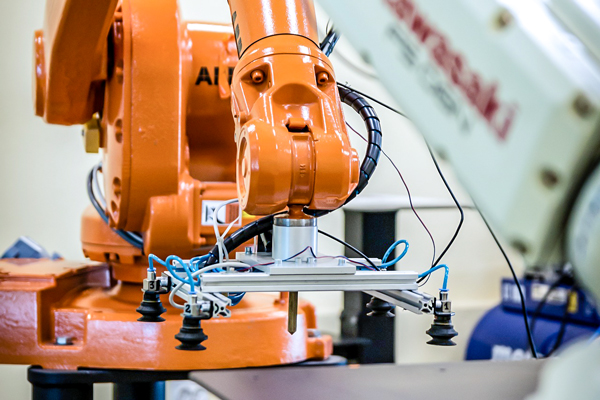
▲ 초저지연(URLLC) 특성은 5G 기술이 다양한 산업에
응용될 수 있도록 한다 [사진=jarmoluk]
응용될 수 있도록 한다 [사진=jarmoluk]
그러나 지연이 짧은 것만으로 다양한 산업계의 통신 시스템 요구사항을 충족시킬 수는 없다. B2B 분야 5G 서비스와 제품들을 개발하기 위해서는 각 산업에 적합한 5G 기술을 개발할 필요가 있다. 사이버 물리 제어 시스템(Cyber-Physical control System; CPS)은 스마트팩토리, 에너지, 메디컬 등의 분야에 활용되는 콘셉트로, 최신 산업용 통신의 동향과 특성이 반영됐다.
한국정보통신기술협회(TTA) 표준화 위원회 내부의 ‘5G 버티컬 서비스 프레임워크 프로젝트 그룹(PG1104)’의 부의장을 맡은, 에릭슨엘지의 박동주 테크니컬 디렉터는 이동통신 표준기구, 3GPP가 고안한 CPS 사례를 중심으로, 산업용 통신 시스템에서 5G 기술이 어떤 역할을 해야 할지에 대해 짚어봤다.
◇ CPS 통신 동작 패턴
모든 산업계는 효율성을 위해 자동화(Automation)를 추구하고 있다. 자동화는, 자동화된 방법으로 공정, 단말, 시스템 등을 제어하는 것을 의미하며, 센서와 송신부와 제어기, 그리고 액추에이터를 거치는 일련의 작업을 통해서 구현된다.
사이버로 물리적인 요소를 실시간 제어하는 CPS는 △개방형 순환 제어(Open-loop Control), △폐쇄형 순환 제어(Closed-loop Control), △순차 제어(Sequence Control), △일괄 제어(Batch Control) 등의 동작 패턴을 가진다.
CPS 통신은 실시간 제어를 구현하기 위해 안정성이 보장돼야 하므로, 자동화 통신의 두 특성인 ‘주기성(Periodicity)’과 ‘결정성(Deterministic)’을 활용한다.
주기성은 전송 간격이 반복적인 것을 의미한다. 주기적인 위치 갱신, 반복적인 특성 파라미터 모니터링 등이 예다. 주기성이 있는 통신에서 주기 간격은 대부분 비교적 짧으며, 전송이 한 번 시작되면 특별한 중단 조치가 있을 때까지 지속한다.
한편, 비주기성 전송은 주로 온도, 압력, 수준 등의 값이 주어진 임계치 아래나 위로 변화할 때 발생하는 공정 이벤트(Process Event), 단말 등의 오동작을 나타내는 진단 이벤트(Diagnostic Event), 유지보수 작업이 필요함을 나타내는 유지보수 이벤트(Maintenance Event) 등에 의해 발생한다.
결정성은 일반적으로 지연 시간과 전송 시간이 주어진 임계치로 제한되는 경우, 메시지의 송신과 수신 사이의 지연이 안정적인지를 나타낸다.
CPS 통신 패턴은 주기성, 결정성 특성을 기반으로 ‘주기적인 결정성 통신(Periodic Deterministic Communication)’, ‘비주기적 결정성 통신(a-Periodic Deterministic Communication)’, ‘비결정성 통신(non-Deterministic Communication)’ 등으로 정의된다. 스마트팩토리, 에너지, 메디컬 등의 산업에서 해당 통신 패턴들은 혼재돼 있으며, 5G 시스템은 이들 모두 커버해야 한다.
모든 산업은 고유의 통신 성능 요구사항이 있다. 주로 △가용성(Availability), △무결성(Integrity), △안전성(Safety), △유지·보수성(Maintainability), △신뢰성(Reliability) 등을 요구한다. 각 분야의 요구사항은 그 분야의 특수성이 결정한다.
◇ 5G B2B, 주요 목표는 스마트팩토리
개인화 시대에 걸맞은 맞춤 생산과 효율적인 운영이 가능한 스마트팩토리 산업은 현재 5G 시스템이 채택될 여지가 가장 큰 B2B 분야다. 스마트팩토리에서 5G 기술의 사례는 크게 △공장 자동화, △공정 자동화, △HMI(Human Machine Interface), △물류, △기타 모니터링 분야로 나뉜다.
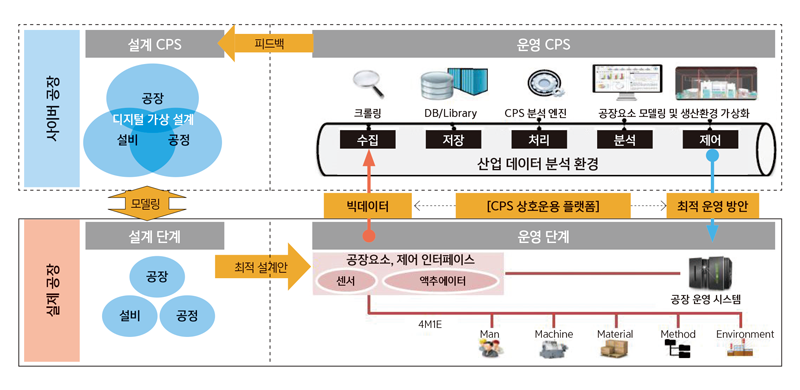
▲ CPS는 사이버로 물리적인 요소를 실시간 제어하는데,
이때 5G 통신 기술이 활용될 수 있다 [그림=KOITA]
이때 5G 통신 기술이 활용될 수 있다 [그림=KOITA]
공장 자동화 분야는 자동화된 제어와 모니터링, 공정의 최적화, 그리고 공장 내에서의 업무 흐름을 다룬다. 고품질 저비용 대량 생산의 핵심 요소로서, 통신 시스템에 대한 요구사항이 가장 높다. 5G 사례로는 ‘움직임 제어(Motion Control)’, ‘제어 간 통신(Control-to-control Communication)’, ‘이동형 로봇(Mobile Robots)’, ‘유선-무선 간 링크 교체(Wired-to-wireless Link Replacement)’, ‘협력 운송(Cooperative Carrying)’ 등이 있다.
공정 자동화 분야는 생산의 제어, 재료의 가공 등을 다룬다. 5G 사례로는 ‘폐쇄형 제어(Closed-loop Control)’, ‘공정과 자산 모니터링(Process and Asset Monitoring)’, ‘공장 자산 관리(Plant Asset Management)’ 등이 있다. HMI 분야에선 ‘이동형 제어 패널(Mobile Control Panels)’, ‘이동형 운영 패널(Mobile Operation Panels)’, ‘증강현실(AR)’ 등에 5G 시스템이 활용될 것으로 보인다.
물류 분야에선 ‘자동화된 운송장비(Automated Guided Vehicles; AGVs)’나 ‘지게차를 활용한 작업장에서의 원재료 지속 공급’을 사례로 들 수 있다. 기타 모니터링이란, 공정에 영향을 주지 않는 생산 현장에서의 작업과 자산에 대한 모니터링이다. 여기에는 센서 데이터에 기반한 상태 모니터링과 예측기반 유지보수, 특정 작업에서의 파라미터 최적화를 위한 빅데이터 분석이 포함된다. 해당 분야에선 ‘원격 접속과 유지관리(Remote Access and Maintenance)’가 사례에 포함된다.
◇ 5G, 에너지 배급 및 생산과 로봇 지원 수술 및 진단 지원
에너지 산업은 크게 전기 에너지 배급(Electric-power Distribution) 분야와 중앙집중형 에너지 생산(Central Power Generation) 분야로 나눌 수 있다.
전기 에너지 배급 분야에선 ‘기본 주파수 제어(Primary Frequency Control)’, ‘분산형 전압 제어(Distributed Voltage Control)’, ‘오류 격리와 서비스 복원을 위한 분산 자동 스위칭(Distributed Automated Switching for Isolation and Service Restoration)’, ‘밀리초 수준 스마트 그리드 고정밀 부하 제어(Smart Grid Millisecond-level Precise Load Control)’ 등에 5G 적용이 기대된다.
최근 신재생 에너지에 관한 관심이 커지면서 중앙집중형 에너지 생산 분야에선 ‘풍력 발전 네트워크(Windpower Plant Network)’가 대표적인 사례로 꼽힌다.
메디컬 산업은 5G 기술로 의료 행위 장소의 확장을 꾀하고 있으며, ‘로봇 지원 수술 및 진단(Robot Aided Surgery and Diagnosis)’이 사례다.
위의 사례 외에도 박동주 부의장은 “촉각 통신, 게임, 가상현실(VR) 등의 미디어 분야를 비롯해, 저지연과 높은 신뢰성을 기반으로 하는 서비스가 다양한 산업에 분포되어 있으므로, 5G 기반 신규 서비스 개발이 기대되는 상황”이라 말했다.
우리나라는 세계 최초의 5G 서비스 상용화 타이틀을 거머쥐었지만, 구체적인 성과가 드러나지 않으면서 5G 기술에 대한 여론이 우호적이지 않다.
전 세계적으로 5G 기술은 여전히 단독모드(SA) 상용화, 초광대역(mmWave) 인프라 구축, B2B 모델 발굴이란 과제를 쉽게 해결하지 못하고 있다. 위의 5G 사례를 바탕으로 구체적인 세부 기술, 서비스, 그리고 사업 개발이 필요할 때다.
이수민 기자
관련뉴스
-

현실-가상 동기화하는 CPS로 스마트팩토리 가시화한다
스마트제조는 ICT를 활용한 제조이여, 이를 실행하는 생산 시스템이 스마트팩토리다. 스마트팩토리는 생산 현장에 다양한 ICT를 결합하여 개별 공장의 설비와 공정을 지능화하고 네트워크로 연결한다. 연결된 공장들은 모든 생산 정보를 실시간으로 공유하며 그를 활용해 효율적이고 자율적으로 운영된다. 스마트팩토리의 주 목적은 효율적이고 유연한 자율적인 지능형 설계와 운영이다. 이를 위해 적용되는 주요한 개념이 인지, 판단, 행동을 능동적이고 자율적으로 수행하는 사이버 물리 시스템, CPS다. CPS는 사이버 세계의 디지털 모델에 연결, 활용하는 컴퓨터 기반 구성 요소와 시스템이다.
2019-10-07 오후 5:39:30by 이수민 기자
-
산업용 무선 인프라 혁신, '사설 5G' 생태계 육성부터 시작한다
5G는 이론상 20Gbps에 달하는 속도, 1ms에 불과한 지연 시간, 100만 개에 이르는 장치 간의 연결을 지원하는 서비스 제공이 가능하다. 이에 실시간 정밀 제어가 필요한 다양한 산업에서의 활용이 기대됐으나, 상용화 2주년이 가까운 현시점에도 구체적인 5G B2B 사례는 나오지 않고 있다. 5G 역량과 권한을 보유한 이동통신 기업(MNO)이 다양한 기관과 기업에 최적화된 5G 서비스를 제공하는 것에 한계가 있었기 때문이다. 사설 5G는 이를 극복하기 위한 대안으로 떠오르고 있다.
2021-02-15 오후 5:35:55by 이수민 기자
-
디지털 트윈, 단순 현실 모사 아닌 "타 디지털 트윈 간 연동 기술" 필요
사회적 거리두기 확산에 따라 기존처럼 행동하는 것에 제약이 따르면서 과거만큼의, 혹은 과거 이상의 사업 효율을 끌어내기 위한 업무처리 방식의 혁신이 요구되고 있다. 정부는 디지털 전환을 이끌기 위한 10대 과제 중 하나로 디지털 트윈을 꼽았다. 등장 초기 디지털 트윈은 제조업 혁신의 수단으로 주목받았으나 싱가포르 정부가 도시 운영 효율을 높이기 위해 사회 필수 인프라와 도시 정보를 데이터로 수치화하는 버추얼 싱가포르 플랫폼을 공개한 후부터 산업뿐만 아니라 인간 생활 전체 영역에 긍정적인 변화를 불러오는 아이디어로 자리 잡았다.
2021-03-02 오후 6:05:11by 이수민 기자

.jpg)
많이 본 뉴스

[열린보도원칙] 당 매체는 독자와 취재원 등 뉴스이용자의 권리 보장을 위해 반론이나 정정보도, 추후보도를 요청할 수 있는 창구를 열어두고 있음을 알려드립니다.
고충처리인 장은성 070-4699-5321 , news@e4ds.com