'자동화서 자율화로' 윈드리버, 에지 플랫폼 전략 발표
기사입력 2019.08.21 17:01
| 윈드리버, 서울 양재에서 테크놀로지 포럼 19 개최
| 임베디드 시스템 보안·안전성 확보 방안 소개
| 시장별 트랙 마련해 최신 기술 및 사례 공유
자동화와 자율화의 차이점은 무엇일까?
자동화가 사전에 정의된 시나리오대로 시스템이 작동하는 것이라면, 자율화는 시스템 자체가 스스로 판단하고 운영하는 것을 말한다. 그리고 자율화의 핵심이 바로 인간의 지능을 본 뜬 AI다.
현재 산업계에선 클라우드가 아닌 에지에서 AI를 실행함으로써 시스템의 자율화를 달성하려고 하고 있다.
이에 윈드리버가 에지 플랫폼 전략을 발표하며 임베디드 시스템 분야에서의 입지 굳히기에 나섰다.
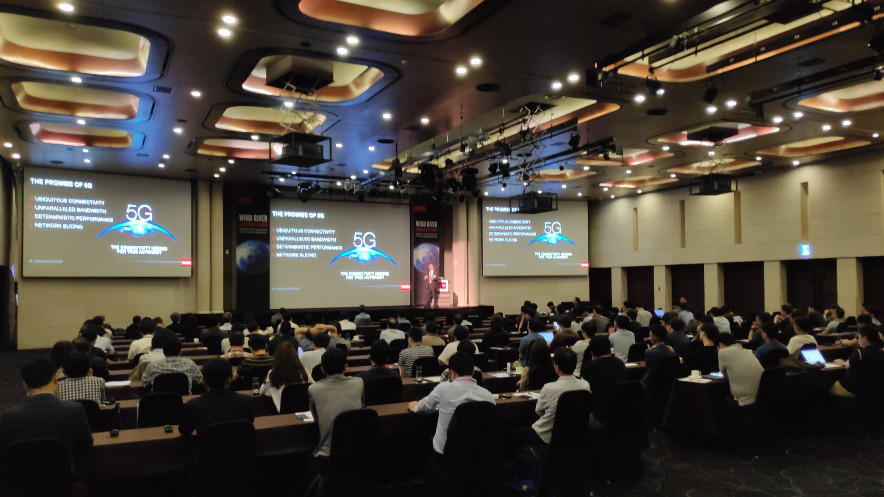
윈드리버 테크놀로지 포럼 2019 컨퍼런스 개최
윈드리버가 21일, 서울 양재동 엘타워에서 ‘자동에서 자율로의 진화(From Automated to Autonomous)’를 주제로 ‘윈드리버 테크놀로지 포럼 2019’ 컨퍼런스를 개최했다.
이번 행사에서 윈드리버는 200여 명의 참관객에게 임베디드 시스템 보안 및 안전성 확보를 위한 OS 활용 방안과 통합 에지 플랫폼의 중요성에 대한 인사이트를 공유했다.
포럼은 기조강연, 초청강연, 윈드리버 제품 포트폴리오 및 해외 사례 소개와 함께 ▲국방&산업 트랙 ▲네트워킹 트랙 ▲자동차 트랙으로 구성됐다.
국방&산업 트랙에서 윈드리버는 개방형 아키텍처 기반 멀티코어 프로세서 기술을 활용하여 오픈소스, 레거시, 서드파티, 전용 솔루션을 안전성과 안정성이 보장되는 플랫폼에 통합할 수 있도록 어떻게 지원하는지 설명했다.
윈드리버는 가상화 기술을 통해 국방 시장에는 빠르고 효율적인 차세대 무인 시스템 개발과 기능 안전성(Functional Safety)을 제공한다고 밝혔다. 또 산업 시장에는 가상화 기술 기반의 워크로드 통합을 통해 공장, 병원, 원격 설비 운영 등 다양한 산업 현장의 제품 및 서비스에 안전성과 안정성을 더할 수 있다고 설명했다.
네트워킹 트랙에서는 윈드리버 본사의 솔루션 엔지니어링(Global Solutions Engineering) 총괄 길 헬맨(Gil Hellmann) 부사장이 방한하여 에지 클라우드와 컨테이너 기술에 대한 최신 동향을 공유했다.
이와 함께 각 분야 전문가들로 구성된 세션을 통해 리눅스 보안 동향, 에지 컴퓨팅을 위한 레노보 OEM 솔루션 소개, O-RAN(Open Radio Access Network) 활용 사례 등이 소개됐다.
자동차 트랙에서 윈드리버는 자동차 기능 안전을 고려한 가상화 기술 및 글로벌 적용사례를 공유했다. 또한 어댑티브 오토사(Adaptive AUTOSAR) 기술 적용사례, 차량용 OTA 기술 동향, 차세대 차량 네트워크 기술 소개, 리눅스 기반 시스템의 보안 취약성 평가에 관한 내용을 다뤘다.

마이클 크러츠 윈드리버 부사장
기조강연에서 마이클 크러츠(Michael Krutz) 윈드리버 부사장 겸 일본지역 매니징 디렉터는 “전 세계 주요 인프라 환경이 단순히 자동화된 시스템이 아닌 자율 운영 방식의 시스템으로 진화하려는 준비를 서두르는 추세”라고 말했다.
그러면서 “윈드리버는 자율 운영의 기반이 되는 임베디드 OS 및 에지 플랫폼을 통해 안전성과 안정성을 담보하는 동시에 경제적으로 혁신을 선도해 나갈 수 있도록 신뢰 높은 기술 파트너로서 함께할 계획”이라며, “통합 에지 플랫폼은 기존의 폐쇄적이고 고립된 방식의 시스템과 미래의 연결된 개방형 시스템의 연결 통로가 될 것”이라고 설명했다.
이어 그는 성공적인 에지 플랫폼 구축을 위한 5가지 전략으로 ▲경제적이고 확장 가능한 에지 워크로드 통합 ▲혼합된 안전성, 보안, 실시간 기능을 위한 시스템 파티셔닝 ▲주요 에지 데이터 접근성 강화 ▲에지 플랫폼을 클라우드 환경 애플리케이션을 위한 랜딩 구역으로 관리 ▲에지의 워크로드 및 가상 제어 기능 마이그레이션 지원을 꼽았다.
이를 위해 윈드리버는 임베디드 소프트웨어 기업으로서 arm, NXP, 텍사스 인스트루먼트, 자일링스, 르네사스, 파워PC, 그리고 2018년까지 모회사로 있던 인텔 등과 같은 반도체 회사들과 긴밀한 파트너십을 맺고 있다.
한편, 현재 전 세계 20억 개의 디바이스가 윈드리버의 임베디드 소프트웨어로 구동하고 있다. 윈드리버는 RTOS 분야에서 36%, 임베디드 리눅스 분야에서 52%의 점유율을 차지하고 있다.
이수민 기자
관련뉴스
-
윈드리버, 가상화기반 에지컴퓨팅 통합 전략으로 시장 공략!
기존 에지시스템 별로 사용되고 있는 다양한 OS를 한 개의 시스템 플랫폼에 통합 이전함으로써, 분할된 시스템을 하나로 통합하고, 동기화된 방식으로 개별 OS를 관리하여 하드웨어 의존적인 시스템 고도화에서 벗어나 비용 효율적인 소프트웨어적 시스템 고도화를 할 수 있다
2019-04-15 오후 7:05:05by 명세환 기자
-
마이크로칩, 저전력 FPGA 이미지 처리 솔루션 출시
네트워크 에지에서 컴퓨팅 집약적인 비전 기반 시스템들이 통합되면서 FPGA가 차세대 설계를 위한 유연한 플랫폼으로 자리매김하고 있다. 마이크로칩 테크놀로지는 개발자들의 빠른 설계를 돕고자 자회사인 마이크로세미를 통해 마이크로칩의 저전력 폴라파이어 FPGA를 통해 지능형 머신 비전 시스템 설계의 솔루션을 제공하는 스마트 임베디드 비전 이니셔티브를 발표했다. 스마트 임베디드 비전 이니셔티브는 산업, 의료, 방송, 자동차, 우주 항공 및 국방 시장에서 저전력 소형 폼팩터 머신 비전 설계를 위한 IP, 하드웨어 및 툴이 포함된 FPGA 제품군을 제공한다.
2019-07-16 오전 10:01:13by 이수민 기자
-

마이크로칩, '멤브레인 뉴로모픽 메모리 솔루션'으로 임베디드 AI 프로세싱 아키텍처 구축 지원
AI 프로세싱이 클라우드에서 네트워크 에지로 이동함에 따라, 배터리 전력으로 구동하는 고성능 임베디드 디바이스는 컴퓨터 비전, 음성 인식 등과 같은 AI 기능을 수행해야 하는 상황에 직면하고 있다. 마이크로칩 테크놀로지는 자회사인 실리콘 스토리지 테크놀로지를 통해 자사의 아날로그 메모리 기술인 멤브레인 뉴로모픽 메모리 솔루션을 적용하여 소비전력을 대폭 줄임으로써 이러한 상황에 대처할 수 있다고 밝혔다. 슈퍼플래시 기술을 바탕으로 신경망의 VMM 수행에 최적화된 마이크로칩 아날로그 플래시 메모리 솔루션은 아날로그 인메모리 컴퓨팅 접근방식을 통해 VMM의 시스템 아키텍처 구현을 개선하여 에지 디바이스에서의 AI 추론 기능을 끌어올린다.
2019-08-19 오전 9:31:34by 최인영 기자

.png)


관련 웨비나




많이 본 뉴스

[열린보도원칙] 당 매체는 독자와 취재원 등 뉴스이용자의 권리 보장을 위해 반론이나 정정보도, 추후보도를 요청할 수 있는 창구를 열어두고 있음을 알려드립니다.
고충처리인 장은성 070-4699-5321 , news@e4ds.com