자율주행차량은 거의 모든 자동차 OEM의 궁극적 목표다. 자율주행은 그러나 기존의 기계적 부품들로는 불가능하다. 전자적 부품들이 필요하다. 운전자가 운전 중 해야 할 가장 큰 역할은 모니터링이다. 운전자는 주변 상황을 모니터링하고 원활한 운전을 위한 적절한 판단을 순간마다 내려야만 한다. 전자적 부품을 조합한다면 차량 주변을 모니터링하고 그에 따라 대응하는 것이 가능해진다. 센서는 모니터링의 핵심 부품이다. 1935년부터 사용된 레이더는 오랜 시간만큼이나 그 유용성을 인정받은 훌륭한 모니터링 툴이다. 레이더는 이제 차량에도 적극적으로 채택되어 자율주행을 향한 업계의 여정에 힘을 보태고 있다.
| 자율주행, 자동차 OEM들의 궁긍적 목표
| 레벨 3 자율주행차량, 아직 상용화 모델 없어
| 레이더, 여러 기상 악조건에서도 물체 인식 우수
자율주행차량은 자동차 OEM들의 궁극적인 목표다.
기존 기계적 부품들로는 자율주행이 불가능하다. 기계만 있는 자동차는 움직일 수는 있으나 방향과 속도를 알아서 정하지 못한다. 운전자의 개입이 반드시 필요하다. 운전자의 개입을 하나라도 줄이기 위해선 전자적 부품이 필요하다.
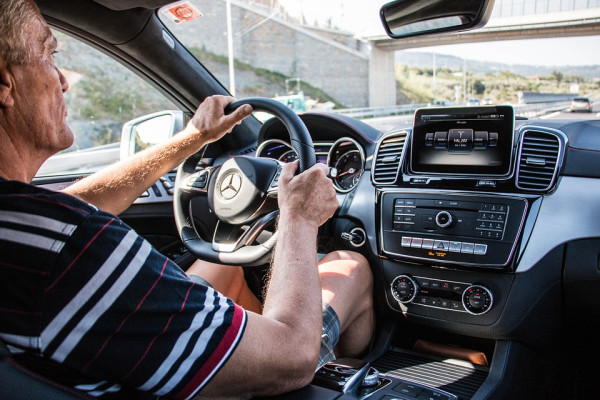
전자부품이 들어가지 않은 자동차는 이제 상상할 수 없다
이제 자동차는 이동 기계가 아니라 움직이는 가전제품이다. 전장, ADAS, 차량용 인포테인먼트, 자율주행차량 시장은 전자업계의 차세대 전쟁터가 되고 있다.
차량용 반도체 시장이 연간 10% 넘게 성장하는 가운데 지난 3일, 서울 서초 더케이호텔에서 자동차 최신 기술 트렌드를 공유하는 ‘오토모티브 이노베이션 데이(Automotive Innovation Day) 2019’가 열렸다.
학계와 업계의 여러 전문가들이 세션을 가득 채운 가운데, 차량용 반도체 시장 점유율 2위를 달리고 있는 인피니언 테크놀로지스의 오토모티브 사업부 김명길 부장이 자율주행을 위한 기술 중 레이더(Radar)의 원리에 대해 설명하는 시간을 가졌다.
자율주행의 정의
자율주행이란 무엇인가? 2016년, 미국자동차공학회(Society of Automotive Engineers; SAE)는 레벨 0부터 5까지 자율주행 등급을 매겼다. 레벨 0 ‘경고’는 자율주행 기술이 아예 없는 상태다. 차량에 탑재된 센서는 운전자에게 경고만 할 뿐이다. 주행 중 해야 하는 모든 판단과 행동은 오롯이 운전자의 몫이다.
레벨 1 ‘보조’는 위기 상황이 발생했을 때 브레이크를 대신 밟아준다. 역시 주행 중 해야 하는 모든 판단과 행동은 오롯이 운전자의 몫이다. 긴급제동만 가능할 상태다. 레벨 2 ‘부분적 자율주행’은 자동차가 스티어링을 대신 해준다. 가끔. 여전히 운전자는 핸들에서 손을 떼는 게 두렵다.
진정한 자율주행은 레벨 3 ‘조건적 자동화’부터다. 레벨 0, 1, 2까지 자동차 모니터링은 운전자의 몫이다. 레벨 3부터는 시스템의 몫으로 넘어간다. 레벨 3에서는 환경이 적당히 맞을 때만 자율주행이 가능하다. 그 외에도 레벨 4 ‘고등 자동화’를 거쳐 레벨 5 ‘완전 자동화’까지 가면 아예 운전자가 필요 없어지지만, 아직은 미래의 이야기로 지금은 상용화를 논할 시점은 아니다.
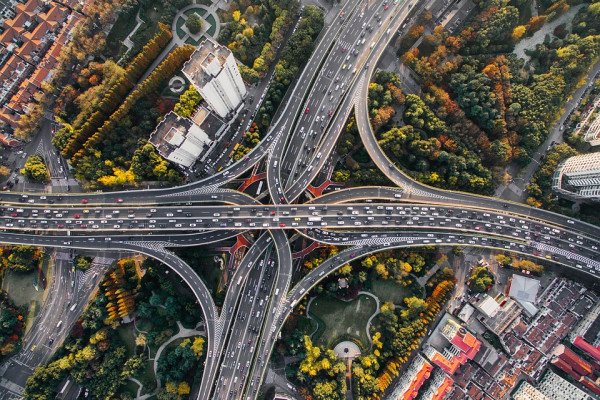
이 모든 자동차가 자율주행차량으로 대체될 순간은 아직 멀기만 하다
업계에서도 레벨 2에서 3으로 넘어가는 것을 ‘퀀텀 점프’라 부르고 있다. 아직 상용 레벨 3 자동차는 없다. 업계의 기술력이 부족한 것이 아니다. 자율주행 사고가 발생했을 때의 책임소재가 명확하지 않고 인프라가 부족하기 때문이다. 그래서 자동차 OEM과 자동파 부품 제조사는 자율주행차량 기술 성숙과 인프라 구축을 기다리며 현재도 상용화가 가능한 ADAS 기술 개발에 주력하고 있다.
자율주행의 전 단계, ADAS와 레이더
ADAS(Advanced Driver Assistance System)는 운전자의 운전에 도움을 주는 시스템으로, 운전자의 운전 피로를 감쇄하고 안전한 운전에 도움을 준다. ADAS의 중요 기술 중 하나인 BSD는 운전자의 사각지역에 위치한 자동차에 대한 정보를 레이더로 획득하여 제공하는 장치로서, 짧은 거리를 커버하는 24㎓ 레이더 센서가 주로 쓰인다.
특히 적응형 순향 제어(Adaptive Cruise Control; ACC)는 차량 전방에 장착된 레이더를 사용하여 앞차와의 간격을 적절하게 자동으로 유지하는 시스템으로 액셀 페달과 브레이크 페달을 사용하지 않는다. ACC를 장착한 차량은 운행 경로에 다른 차량이 없는 걸 감지하면 설정된 속도까지만 차를 가속한다. ACC에서도 레이더는 핵심이다. BSD보다 긴 77㎓ 레이더 센서가 쓰인다.
ACC를 구현하는 레이더 모듈은 하나의 ECU(Electronic Control Unit)로 구성되어 있다. 세부적으로 보자면 RF 프론트엔드(Front-end), 신호 처리 부분, AAC 로직을 처리하는 MCU가 들어간다.
RF 프론트엔드는 77㎓ FMCW 레이더를 쏘고 받으면서 특정 대상의 거리, 속도, 각도를 추출하고 목표를 타겟팅한다. 신호 처리 부분에서는 이를 토대로 가속과 감속 여부를 판단하고 CAN(Controller Area Network)을 통해 쓰로틀 액추에이터와 브레이크 엑추에이터로 지시를 내린다. 최근에는 자동차에 탑재되는 레이더 센서가 많아지면서 도메인 컨트롤러에서 판단 로직을 가져가려고 하고 있다.
왜 77㎓인가?
그런데 왜 하필이면 77㎓ 레이더 대역을 사용할까? 이는 안테나 사이즈에 관련이 있다. 77㎓ 전파의 파장 길이는 3.9㎜로, 모듈의 크기를 작게 만들기 유리하기 때문이다. 이에 우리나라는 2001년 4월에 전파법 제9조에 의거해 차량용 레이더 주파수로 76~77㎓의 1㎓ 대역폭을 분배했다.
77㎓ 레이더 대역은 밀리미터파(mmWave)에 속한다. mmWave란 파장이 1~10㎜이고, 주파수가 30~300 GHz인 전파다. mmWave는 안테나 및 송수신 장치의 소형화, 경량화가 가능하다. 또한 지향성이 좋고, 기본적으로 전력을 사용하기 때문에 인체에 미치는 영향도 작다.
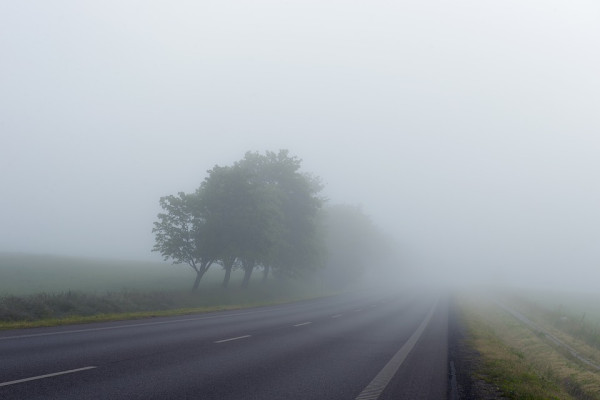
카메라만으로는 악천후 시 시각적 정보를 수집하기 쉽지 않다
가장 큰 장점은 여러 기상 조건에서도 비교적 오류가 적다는 것이다. 가장 많은 정보를 얻을 수 있지만, 눈과 비, 안개 등의 기상 조건에 취약한 카메라와 가장 대조되는 특징이다.
차량용 레이더의 원리
차량용 레이더는 운전자의 차량에서 전파 신호를 송신하고, 타 물체로부터 반사된 전파를 수신해 두 신호간의 시간차와 도플러 주파수 변화량을 이용해 레이더와 상대 물체와의 거리와 상대속도를 추정한다.
주파수 변조 연속파(Frequency Modulated Continuous Wave; FMCW) 레이더는 전파를 연속파로 내보내되 전파의 주파수가 시간에 따라 계속 변하는 레이더다. mmWave의 특성상 저전력으로도 운용이 가능하며, 다른 레이더 시스템에 비해 물체에 대한 거리 분해능이 우수하다.
FMCW 레이더 송신 신호는 전압제어 발진기(Voltage Controlled Oscillator; VCO)를 이용해 선형적인 레이더 송신 신호를 중심 주파수에 맞는 신호로 발생시킨 후, 송신 안테나를 지난 신호는 목표물로 향해 송신하게 된다.
레이더와 목표물의 거리에 따라 시간적으로 지연된 반사 신호가 수신 안테나를 통해서 수신되며, 신호는 디처핑(Dechirping)을 통해 비트 주파수 성분의 사인파를 발생한다.
비트 주파수 신호는 대략 60~70dB의 이득의 다단증폭기와 수십 ㎒ 대역의 저대역 주파수 통과 필터를 통과하고 아날로그-디지털 컨버터(Analog-to-Digital Converter; ADC)를 통해서 샘플링되어 디지털 수신 신호로 변환된다.
변환된 디지털 신호는 스펙트럼 분석 알고리즘을 통해 주파수 성분이 추출되고, 추출된 주파수를 통해서 반사된 신호와 레이더간의 상대거리를 알 수 있다. 그리고 각 수신 신호간의 위상 차이를 통해 목표물의 속도, 각도도 추출할 수 있다.
주파수 변조 연속파 레이더의 특성상 펄스 도플러 레이더와 달리 주파수 대역폭만큼 샘플링을 하지 않고 비트 신호 대역폭만큼만 샘플링하게 돼, 하드웨어적인 측면에서 비용이 절감된다.
거부할 수 없는 흐름
자율주행차량은 거의 모든 자동차 OEM의 궁극적 목표다. 자율주행은 그러나 기존의 기계적 부품들로는 불가능하다. 전자적 부품들이 필요하다. 운전자가 운전 중 해야 할 가장 큰 역할은 모니터링이다.
운전자는 주변 상황을 모니터링하고 원활한 운전을 위한 적절한 판단을 순간마다 내려야만 한다. 전자적 부품을 조합한다면 차량 주변을 모니터링하고 그에 따라 대응하는 것이 가능해진다. 센서는 모니터링의 핵심 부품이다.
1935년부터 사용된 레이더는 오랜 시간만큼이나 그 유용성을 인정받은 훌륭한 모니터링 툴이다. 레이더는 이제 차량에도 적극적으로 채택되어 자율주행을 향한 업계의 여정에 힘을 보태고 있다.