韓 기업 써모파일 활용 비접촉 체온계, 美 FDA 인정
기사입력 2020.06.17 15:45
템퍼스, 마이크로 적외선 센서 양산
국내 업체들에 500만 개 이미 납품
美 FDA 인증받아 미국 수출 눈앞
코로나19로 비접촉식 체온계의 수요가 늘어나는 가운데 국내 기업이 기관과 협업하여 해당 제품의 핵심부품 양산에 성공했다.
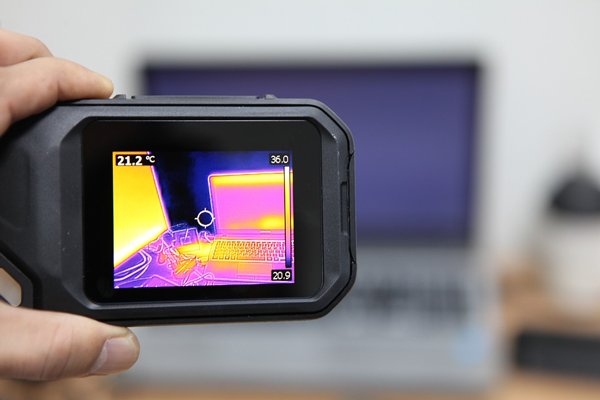
▲ 템퍼스가 비접촉식 체온계용 마이크로 적외선 센서 양산에 성공했다
템퍼스는 17일, 반도체 테스트베드 기관인 나노종합기술원과 양산기술 공동개발을 통해 ‘비접촉식 체온계용 마이크로 적외선 센서’의 양산에 성공했다고 밝혔다.
마이크로 적외선 센서(Thermopile)는 서로 다른 두 금속의 접촉 부위의 온도 차에 의해 열기전력이 발생하는 원리를 이용하여 인체감지에 유리한 원적외선(8~14㎛)을 검출하는 실시간 온도측정 센서다.
2012년 9월에 설립된 템퍼스는 나노종합기술원 입주기업으로서, 코로나19 확산으로 비접촉식 온도측정 수요가 폭증하자 체온계용 적외선 온도 센서의 대량양산 기술개발에 들어갔다.
이번에 양산에 성공한 비접촉식 온도측정용 적외선 센서는 나노종합기술원이 제공한 반도체 호환공정을 적용하여 수율을 높였고 공정을 단순화해 가격경쟁력을 높였다.
템퍼스는 이미 500만 개의 온도 센서를 국내외 체온계 제작기업에 납품했고, 이달 15일에는 온도 센서와 독자 제작한 비접촉식 체온계에 대해 美 식품의약처(FDA)의 공식 인정을 받아 미국 수출을 앞두고 있다.
신백규 템퍼스 대표는 “적외선 영역 1~25㎛ 파장대까지 검출할 수 있는 적외선 센서로 국내외 비접촉 체온계 시장을 공략할 계획”이라고 말했다.
고서곤 과기정통부 기초원천연구정책관은 “시스템반도체나 센서는 물론, 소재·부품·장비 기술자립 및 유망기업 육성을 위해, 나노종합기술원과 같은 나노인프라 기관과 수요기업 간 연계를 강화하고 지원을 확대할 것”이라고 밝혔다.
이수민 기자
관련뉴스
-
ST-파나소닉-애로우, IoT에 적합한 멀티센서 모듈 공급
ST의 BlueTile 멀티센서 개발 키트를 토대로 파나소닉이 개발한 엣지 인텔리전스 멀티센서 모듈을 애로우가 공급한다. 이 초소형 온보드 타입 센서는 ST의 BlueNRG BLE 5.0 SoC를 포함하여 가속도, 자이로스코프, ToF, 압력 및 습도 센서를 결합하여 다양한 IoT 애플리케이션에서 활용할 수 있다.
2020-06-09 오후 2:53:51by 이수민 기자
-
도시바, 산업용 CCD 리니어 이미지 센서 2종 개발
도시바가 산업장비용 렌즈 축소형 1500픽셀 모노크롬 CCD 리니어 이미지 센서 신제품 TCD1105GFG와 TCD1106GFG를 출시했다. 두 제품 모두 최대 25MHz의 데이터 속도를 지원한다. 타이밍 제너레이터 회로와 CCD 드라이버를 통합해 외부 구동 회로가 없어도 고속 작동이 가능하다. 샘플 홀드 회로를 내장해 비디오 출력 신호 주기도 늘렸다.
2020-06-12 오후 4:07:30by 강정규 기자
-
코그넥스, 일체형 산업용 비전 센서 얼라인사이트 공개
코그넥스가 비전 가이드 모션에 필요한 기능을 갖춘 일체형 솔루션인 얼라인사이트 얼라인먼트 센서 시리즈를 출시한다고 밝혔다. 얼라인사이트는 비전 가이드 로봇 및 스테이지 얼라인먼트 애플리케이션을 위한 비전 센서 솔루션으로, 전자 하드웨어 산업에서 로봇 픽앤플레이스, 머신 텐딩, 스테이지 모션을 쉽고 빠르게 설정할 수 있도록 설계됐다.
2020-06-17 오전 11:06:31by 이수민 기자

.png)


관련 웨비나



많이 본 뉴스

[열린보도원칙] 당 매체는 독자와 취재원 등 뉴스이용자의 권리 보장을 위해 반론이나 정정보도, 추후보도를 요청할 수 있는 창구를 열어두고 있음을 알려드립니다.
고충처리인 장은성 070-4699-5321 , news@e4ds.com