화재 사망자 사인 대다수는 연기흡입에 의한 질식사다. 따라서 연기를 정확하고 신속하게 파악하는 작업은 화재 경보의 정확성 증대와 화재 사고 예방으로 이어진다. 아나로그디바이스는 UL 217 8th 규격을 충족하는 동시에 기존 연기감지기보다 정확한 ADPD188BI 센서를 출시했다. 제조사는 해당 모듈형 광학 센서로 보다 작고 정확한 연기감지기를 개발할 수 있다.
화재 사망자 사인 대다수, 연기흡입에 의한 질식
기존 연기감지기, 연기 농도만 측정해 정확도 낮아
UL 217 8th 규격에 따라 화재 원인 파악 가능해야
국내에서 화재경보기는 건축법에 명시된, 건축물 대부분에 반드시 설치해야 하는 설비다. 그러나 화재 시 생명을 구하는 화재경보기가 평소에는 거슬리는 존재로 낙인이 찍혀있다. 소방재난본부는 2019년, 5년간 화재경보기 오작동으로 인한 출동 횟수가 전체 화재 관련 출동 건수 8,130건 대비 7.6%에 이른다고 발표했다.
아예 화재경보기를 꺼놓은 건물도 부지기수다. 국내뿐만 아니라 해외에서도 상황은 비슷하다. 미국방화협회(NFPA)의 보고서에 따르면, 미국에서 화재 사망자 23%가 화재경보기를 설치했음에도 의도적으로 비활성화해둔 건물에서 사망했다.
정확한 경보가 가능한 화재경보기에 대한 개발이 시급한 상황이다. ‘아니 땐 굴뚝에 연기 날까’라는 말처럼, 연기 발생은 가장 확실한 화재 신호다. 화재 사망자 사인 대다수는 연기흡입에 의한 질식사다. 따라서 연기를 정확하고 신속하게 파악하는 작업은 화재 경보의 정확성 증대와 화재 사고 예방으로 이어진다.
2018년, 미국의 안전 규격 개발 기관 겸 인증 ‘UL’은 연기 경보 규격인 ‘UL 217 8th’를 발표했다. 화재경보기 및 연기감지기 제조사는 UL 217 8th 규격에 따르는 동시에 정확도와 신뢰도를 높인 제품을 제조해야 한다는 과제에 직면했다.
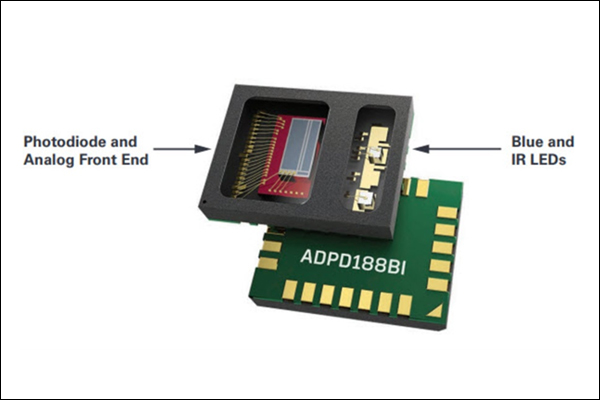
▲ 연기 감지 정확도 높인 ADPD188BI 광학 센서 [사진=ADI]
아나로그디바이스(ADI)는 이들 제조사를 지원하기 위해 2개의 LED와 광 다이오드, 아날로그 프런트엔드(Analog front-end; AFE)를 단일 패키지로 통합한 ADPD188BI 광학 센서를 규격 발표에 맞춰 2018년 6월 출시했다.
아나로그월드에서 연기감지기 제품들을 담당하는 이승규 부장에게 기존 연기감지기의 원리와 한계, 그리고 ADPD188BI 센서의 이점에 대해 물었다.
Q. 연기감지기 오작동의 주요 원인은 무엇인지?
A. 국내에서 사용되는 대부분의 연기감지기는 하나의 적외선(IR) LED와 하나의 광 다이오드를 사용합니다. 이 방식으로는 화재 원인 구분에 한계가 있습니다. 특히 우리나라는 미세먼지 농도가 짙고 습도가 높아 연기를 구분하기 어렵습니다.
Q. 적외선 LED, 광 다이오드를 활용한 연기 감지에 한계가 있는 이유는?
A. 통상의 연기감지기는 적외선 LED가 적외선을 발산하고, 연기에 충돌해 산란해 오는 신호를 광 다이오드가 감지합니다. 이를 통해 연기의 유무와 농도를 판단하는데, 단순한 농도 판단에 그쳐 다양한 화재 원인을 구분할 수 없습니다.
Q. UL 217 8th 규격은 어떤 표준입니까?
A. 최근 환경 변화에 따라 도시화가 가속하는 상황으로, 화재경보기 규격이 더욱 강화되고 있습니다. UL 217 8th 표준은 미국에서 사용되는 규격으로, 기본적인 내용은 화재의 원인을 구분하는 것입니다. 가장 기본적으로 종이, 목재, 폴리우레탄 등이 있으며, 특히 증기와 음식을 조리할 때 발생하는 연기가 추가됐습니다.
Q. UL 217 8th 표준을 지원하는 ADI ADPD188BI 센서는 기존 연기감지기의 단점을 어떻게 보완할 수 있었습니까?
A. ADPD188BI 센서는 적외선 LED 및 청색 LED, 그리고 2개의 광 다이오드를 사용해 타 연기감지기의 단점을 보완했습니다. 먼저 파장이 서로 다른 2개의 LED를 사용하여 신호 크기를 구합니다. 이를 양자 전이 반응(Proton Transfer Reaction; PTR)이라는 개념으로 변경하고 비율을 분석, 화재 원인을 구분합니다.
Q. 후방 산란 설계는 어떻게 연기감지기 PCB 크기를 줄입니까?
A. 업계 최초로 모듈 형식으로 제공되는 ADPD188BI 센서는 LED 빛이 직접적으로 수광(受光)되지 않도록 광 다이오드 주변에 벽을 세웠으며, 연기와 충돌한 LED 빛이 후방으로 산란하도록 설계됐습니다. ADPD188BI 센서 단독으로 순수한 연기 데이터의 파악이 가능해 다른 디바이스의 필요성을 줄였으며, 차지하는 공간도 작아 기존 연기감지기보다 작은 연기감지기를 설계할 때 적합합니다.
Q. ADPD188BI 센서와 함께 제공되는 챔버의 역할은 무엇입니까?
A. 챔버는 기본적으로 주변의 신호 잡음을 줄여주며, 암실의 역할도 합니다. 또한, 챔버 벽에 충돌한 LED 빛이 광 다이오드에 수광되지 않도록 설계됐습니다.
Q. ADPD188BI 센서 사용자를 위한 아나로그월드의 지원책은?
A. 아나로그월드는 데모보드(EVAL-ADPD188BI)와, 국내 환경에서 필요한 연기, 먼지, 수증기 구분에 필요한 알고리즘을 제공하고 있습니다.
.jpg)